Microsoft has quietly introduced a Windows driver in the February updates for Windows 10 and 11, which prevents users from changing default browsers manually or through software by locking down specific Registry keys. The driver, called User Choice Protect Driver (UCPD.sys), restricts editing of Registry keys associated with URL associations and file types, and may be related to compliance with Europe's Digital Markets Act. While it was initially thought to be related to DMA regulations, its rollout to non-EEA devices has cast doubt on this theory.

iPhone users in Europe are now prompted to choose a default browser upon updating to iOS 17.4, with the list populated by the most downloaded browsers in the country in the prior year. The default setting for the browser is found under "Safari," leading to confusion for some users.
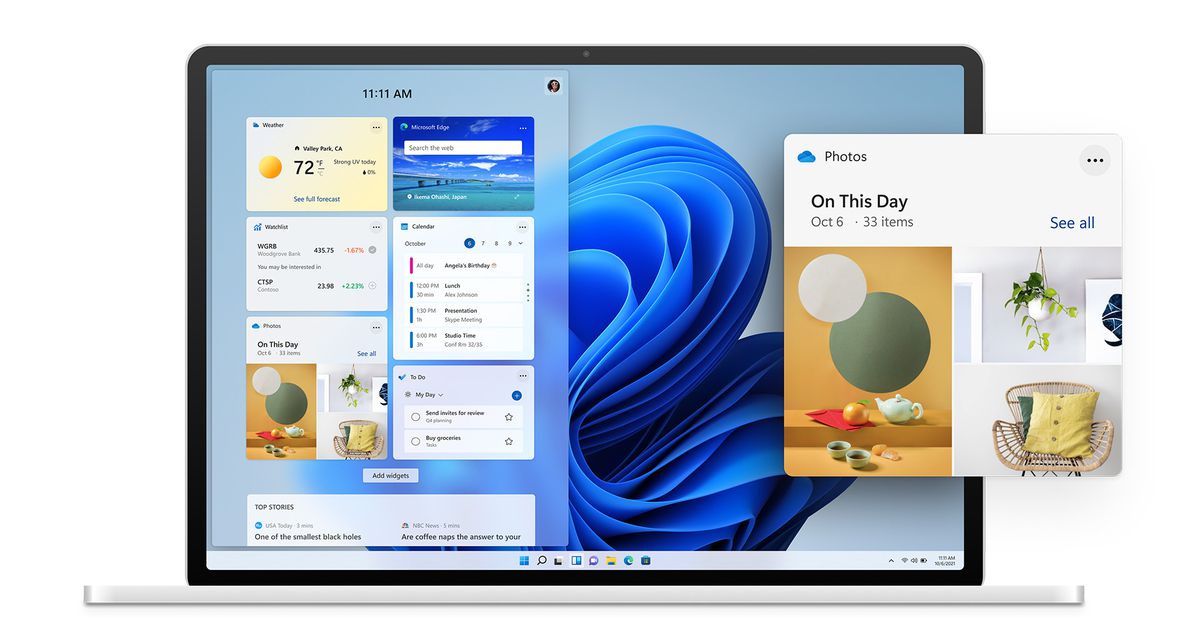
Microsoft will no longer force Windows 11 users in European Economic Area (EEA) countries to use Edge as the default browser when clicking on links from the Windows Widgets panel or search results. This change comes after Microsoft faced criticism for ignoring default browser choices in Windows 10 and continuing the trend in Windows 11. The changes are currently being tested in recent builds of the operating system.
Microsoft will no longer force Windows 11 users in European countries to use Edge as their default browser when clicking on links from the Windows Widgets panel or search results. The changes are being tested in recent builds of Windows 11 and are limited to countries within the European Economic Area (EEA). This move may be related to the EU's Digital Markets Act, which aims to promote competition and interoperability among platforms. Microsoft's decision comes shortly after the company announced it would unbundle Teams from its Microsoft 365 and Office 365 suites in EU markets to avoid further antitrust scrutiny.
Microsoft is set to open all links clicked in Outlook or Teams using Edge by default, regardless of the user's default browser settings. The change is rolling out to organizations within the next 30 days, and Microsoft 365 users will gradually be switched over to this new link-opening policy. Users can still revert to using their default browser for links by tweaking the options in Outlook's Advanced settings.