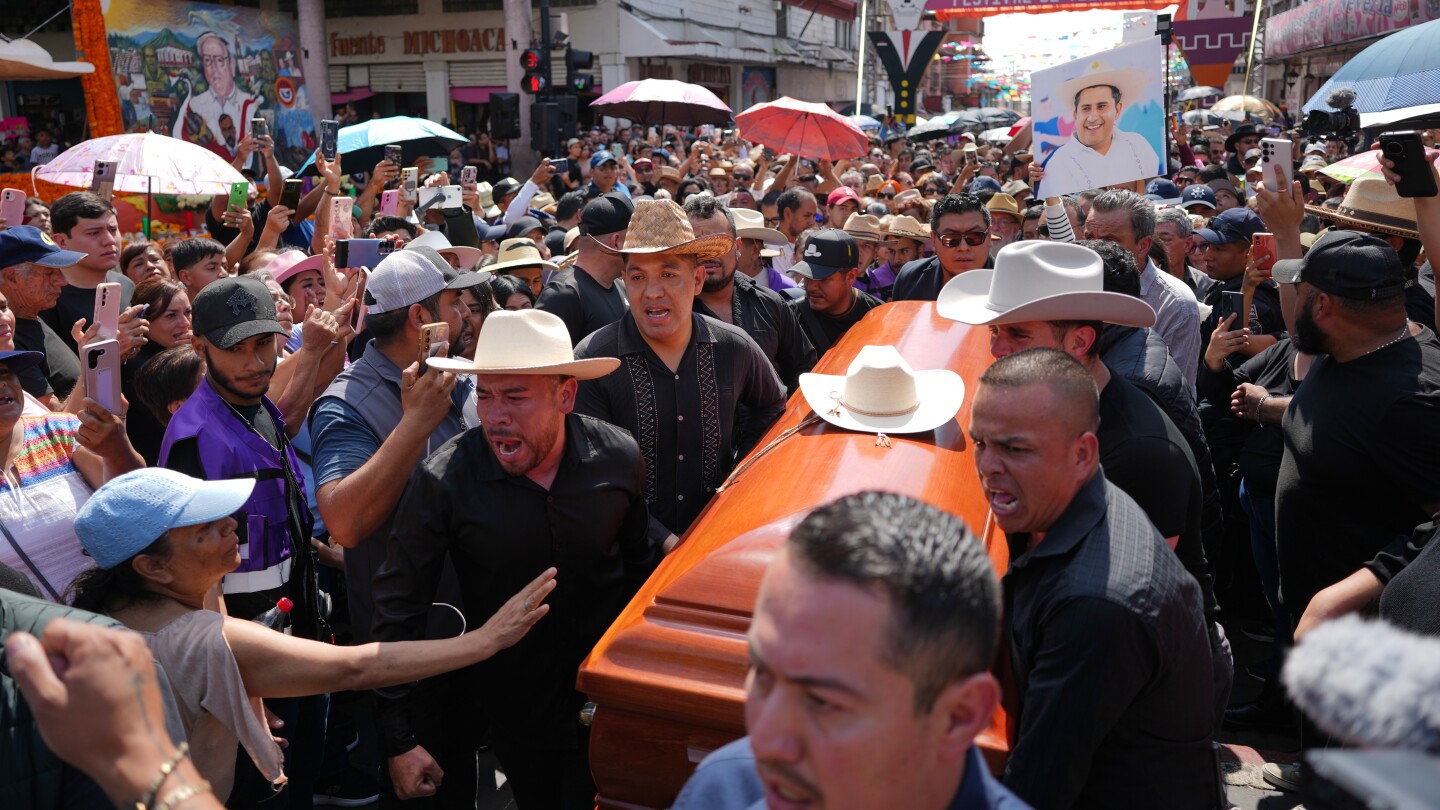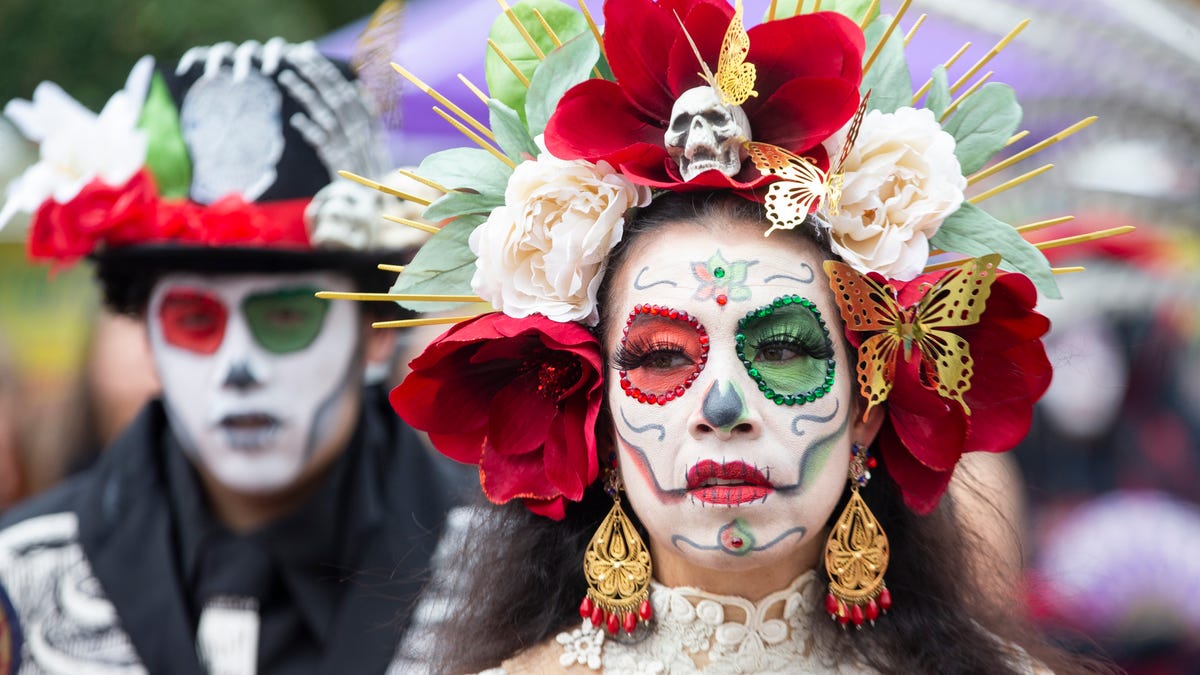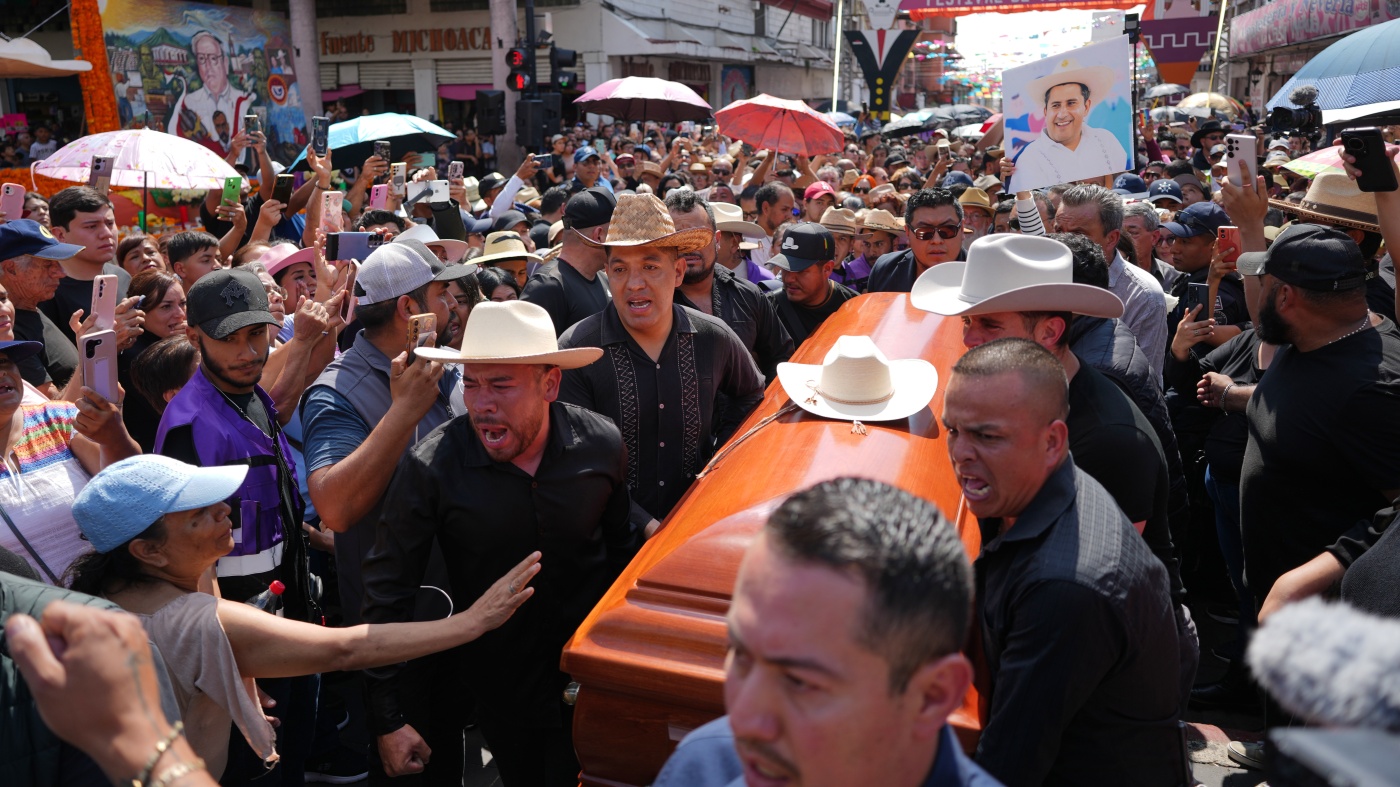
The mayor of Uruapan, Michoacan, Mexico, Carlos Alberto Manzo Rodríguez, was shot and killed during Day of the Dead celebrations, in a region plagued by cartel violence. The attack, carried out by an unidentified gunman linked to local criminal conflicts, resulted in the death of the mayor and injuries to a council member and bodyguard. His death highlights ongoing violence against local politicians amid Mexico's broader issues with organized crime and cartel conflicts.
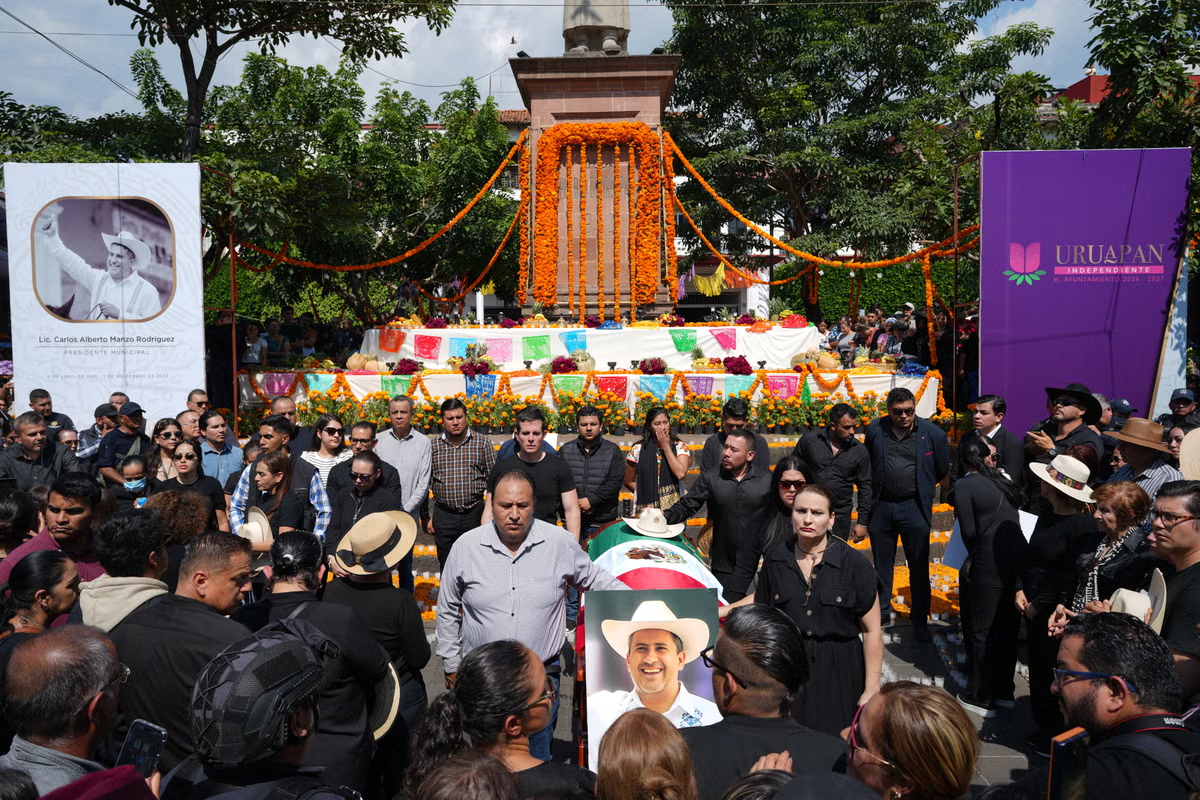
The mayor of Uruapan, Mexico, Carlos Alberto Manzo Rodríguez, was shot and killed in a public plaza during Day of the Dead celebrations, highlighting the ongoing violence and cartel conflicts in Michoacán. The attack, carried out by an unidentified gunman linked to regional criminal clashes, resulted in his death and injuries to others, amid a backdrop of political and criminal instability in the area.
The mayor of Uruapan, Michoacan, Mexico, Carlos Alberto Manzo Rodríguez, was shot and killed during Day of the Dead celebrations by an unidentified attacker linked to regional criminal conflicts. The attack, which also injured a city council member and a bodyguard, occurred amidst ongoing violence and cartel battles in the region, highlighting the dangerous environment for local politicians in Mexico.
The mayor of Uruapan, Michoacan, was shot and killed during the Day of the Dead celebrations by an unidentified attacker linked to local criminal conflicts; the incident has sparked public mourning and calls for justice amid ongoing violence in the region.
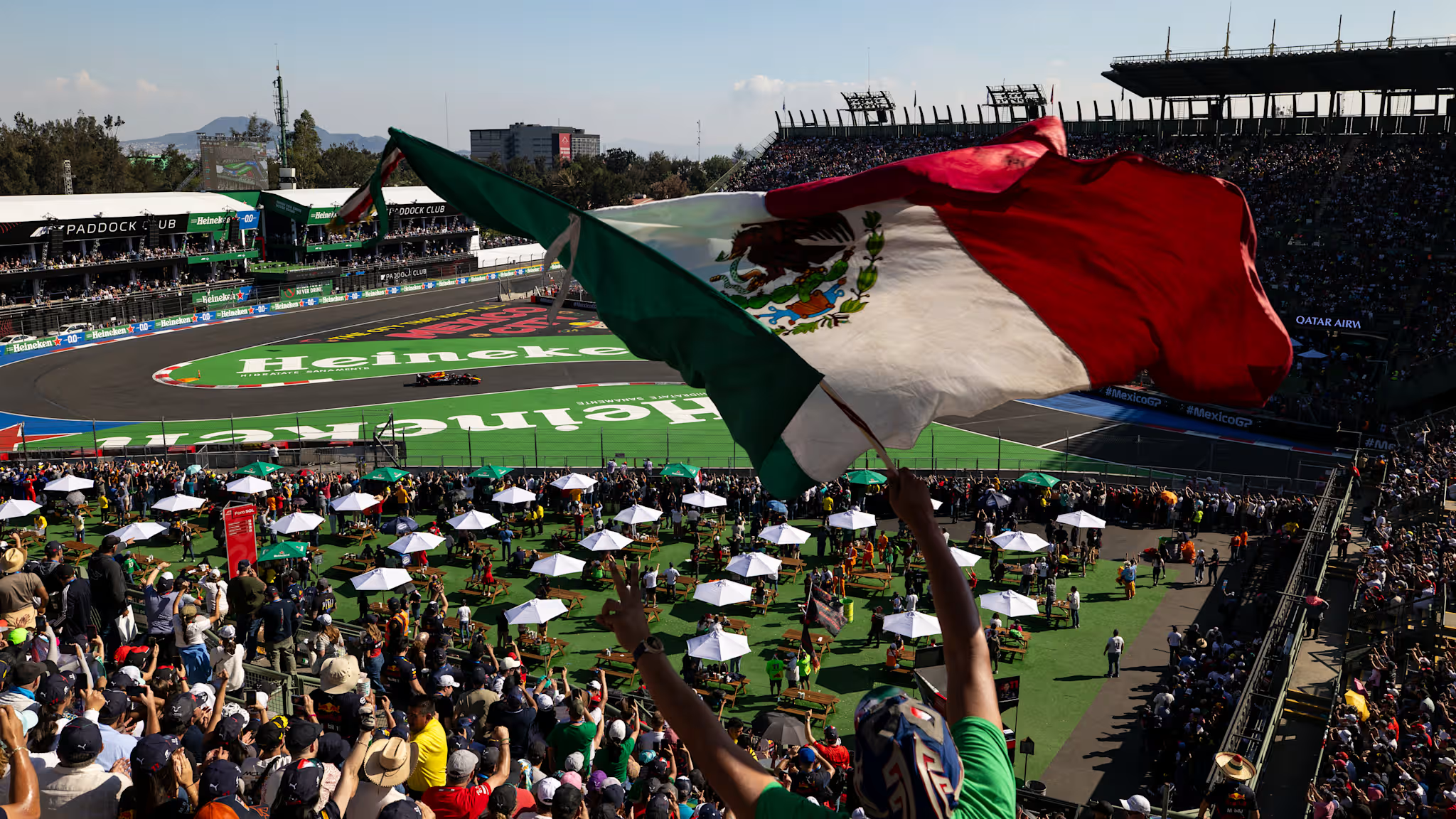
The Mexico City Grand Prix is a vibrant event that combines thrilling F1 racing with the city's rich culture, food, and festivities, offering visitors a unique experience of celebration, local traditions, and scenic sightseeing before, during, and after the race weekend.
The author argues that the multiculturalist approach of embracing all cultural practices equally fails to recognize the conservative and Christian elements of the Mexican cultural practice of the Day of the Dead. While secular celebrations focus on celebrating life and remembering the deceased, the Christian underpinnings of the holiday emphasize the belief in the unity of the living and the dead, and the conquering of death through God. The author suggests that this unity and love for the past are consistent with a holistic view of the human world and should be recognized as a valuable aspect of the Day of the Dead celebration.
Various events in North Jersey will celebrate Día de los Muertos, the Day of the Dead, a traditional Mexican celebration honoring deceased loved ones. Activities include art nights, community altars, live music performances, children's art activities, food trucks, and marketplace. Events will take place in Clifton, Montclair, East Rutherford, Mountain Lakes, and Newark.
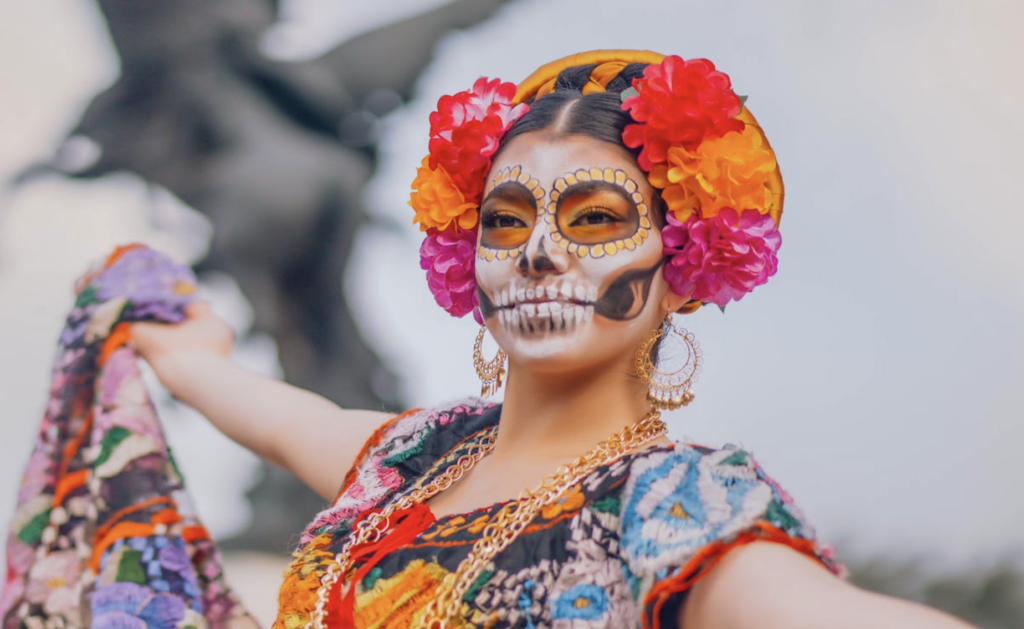
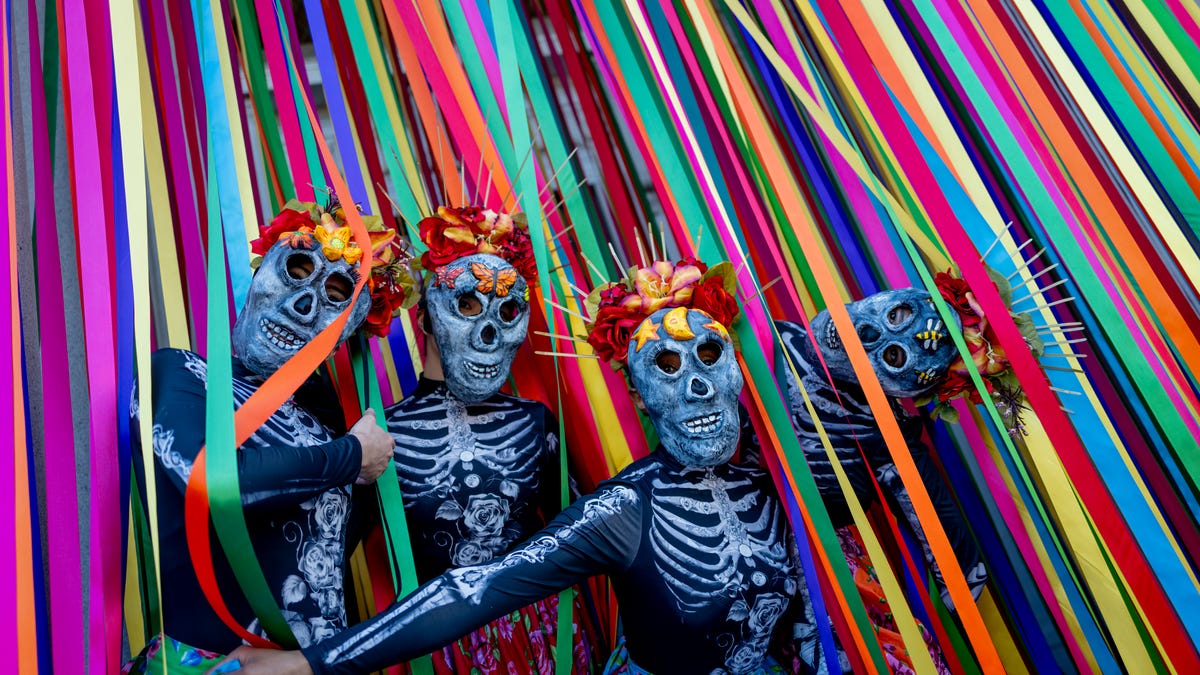
Dia de los Muertos, or Day of the Dead, is a celebration in Latin American countries, mainly Mexico, to honor and remember deceased family members. It takes place on November 1-2 and is seen as a way to bridge the gap between the living and the dead. Families create ofrendas, or alters, with clothing, photos, food, and favorite items of their loved ones. The celebration includes bright colors, smiling skulls, Marigold flowers, papel picado, sugar skulls, and pan de muerto.