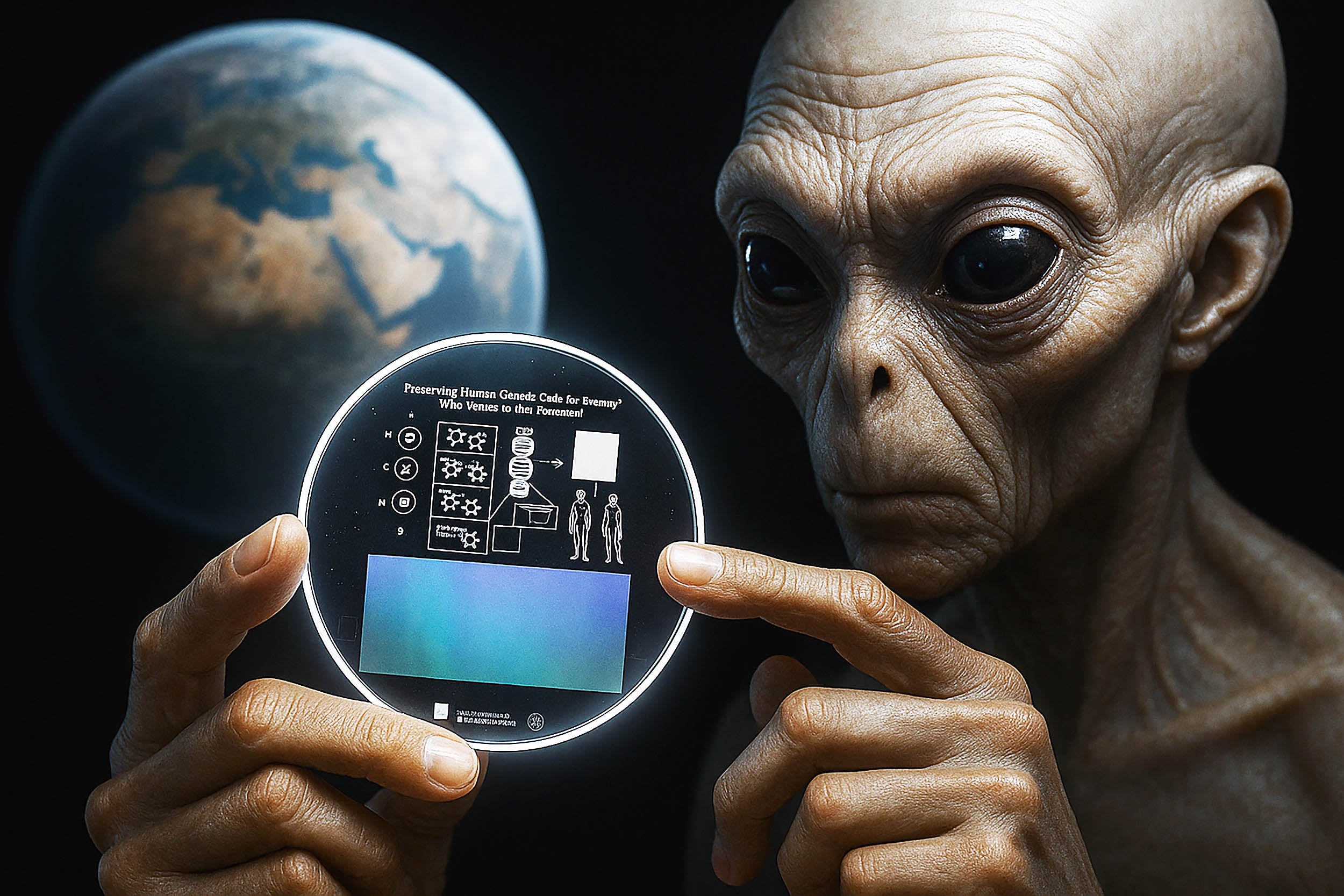
A tiny 5D memory crystal in Austria stores the entire human genome in a durable, long-lasting format, potentially enabling future de-extinction and preservation of endangered species by providing a permanent, resilient data archive that can survive extreme conditions and the passage of billions of years.
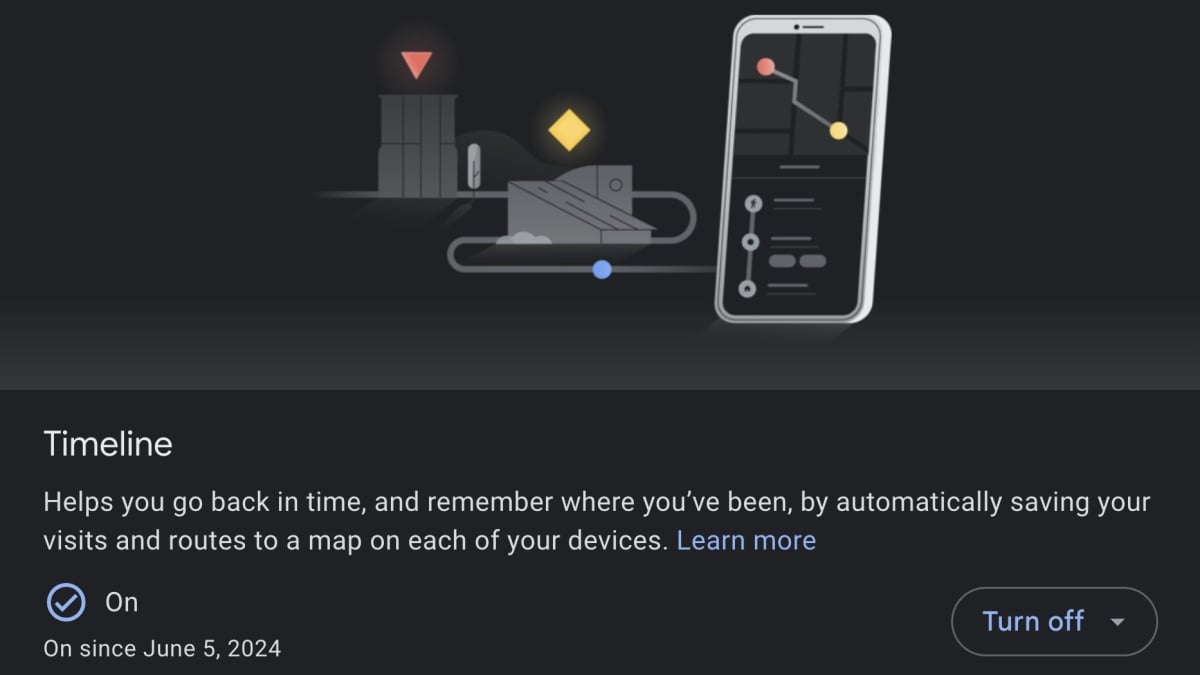
Google is transitioning its Maps Timeline feature to store data locally on devices rather than in the cloud, and will delete older Timeline data unless users take action by December 1, 2024. Users need to update the Google Maps app on their preferred device and follow prompts to save their data.
Google will begin deleting "inactive" accounts that haven't been used in at least two years starting in December. The company implemented this policy to address security concerns, as inactive accounts are more likely to be compromised. To prevent account deletion, users should sign in at least once every two years or engage in activities such as sending emails, using Google search, or watching YouTube videos while signed into their Google account. Exceptions to this policy include accounts for organizations, accounts managing active minor accounts, and accounts with ongoing subscriptions or gift card balances. Users can also use tools like Google Takeout and Inactive Account Manager to manage and backup their data.
Storing data for decades or centuries requires finding a storage format that can be trusted to last. Digital storage media like hard drives and SSDs can degrade over time and eventually fail, while file format obsolescence can make data unreadable. Archival-grade optical discs like M-DISC promise to last hundreds or even thousands of years, while magnetic tape can last for up to 50 years or more. Cloud storage is not an option for truly long-term storage.