YouTube is introducing new GenAI-powered features to its Shorts platform, including photo-to-video creation, AI effects like underwater visuals, doodle transformations, and an AI Playground for generating videos and music from prompts, initially powered by Veo 2 and soon upgraded to Veo 3, available in select countries.
Google is paying small news outlets to test a generative AI platform that would assist in producing articles, newsletters, and marketing campaigns. The platform aggregates content from a curated list of websites and allows human editors to create news articles with the click of a button. This move has raised concerns about the potential impact on journalism, as it could lead to the replacement of entry-level journalists with AI-generated content. Google emphasizes that the tool is designed to help small publishers produce high-quality journalism, but critics argue that it could contribute to the proliferation of AI-generated "slop" on the internet.
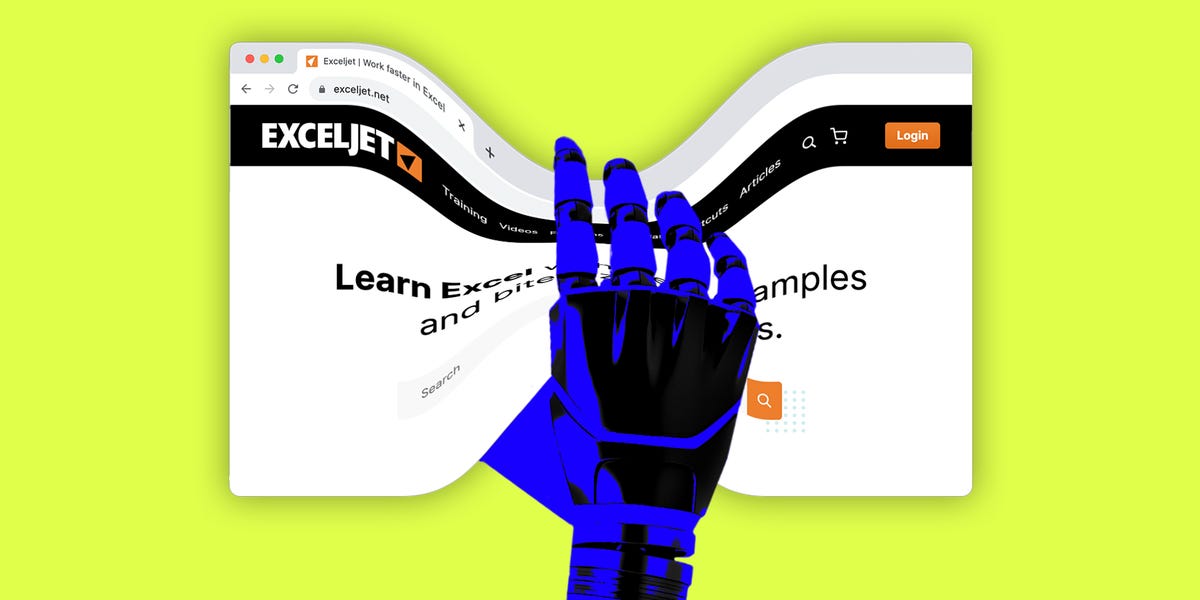
Exceljet, a website specializing in Microsoft Excel tutorials, fell victim to an "SEO heist" orchestrated by an online marketer who used AI to clone thousands of Exceljet's articles for a competitor. The incident highlights the transformative power of generative AI in shaping the web and raises concerns about the future of content authenticity and Google's search rankings. The marketer argues that AI-generated content is no different from traditional SEO strategies, but critics argue that it undermines the integrity of search results and poses challenges for users in discerning reliable information. Google, while developing its own AI models, faces the challenge of determining when AI is being used to manipulate search rankings.
Microsoft's article on MSN recommending the Ottawa Food Bank as a tourist attraction in Ottawa was taken down after receiving backlash. The article, which listed 15 places to visit in the Canadian capital, was blamed on human error but involved a combination of algorithmic techniques and human review. The Ottawa Food Bank expressed disappointment and emphasized the importance of human involvement in content creation as AI-generated copy can contain inaccuracies. This incident highlights the challenges faced by publications relying on AI for content generation.
CoinDesk has released guidelines for the use of generative AI tools in its content creation process. While AI can create text, images, and audio content quickly, it lacks the experience, judgment, and capabilities of a trained journalist. CoinDesk will allow generative text to be used in some articles subject to strict rules, including plagiarism checks, fact-checking, and editing with a human touch. The use of generative images is discontinued due to pending litigation, while generative voices may be used with disclosure. AI-generated social copy and headlines are allowed, and AI-generated story ideas may be vetted and researched by reporters or editors.