Some parents are rethinking traditional college savings strategies like 529 plans due to rising costs, economic uncertainty, and the desire for more flexibility, leading many to explore alternatives such as brokerage accounts and life insurance policies for their children's future.

The FAFSA's new "Student Aid Index" calculation simplifies the financial aid process, allowing grandparents to contribute to college savings without negatively impacting aid eligibility. Middle-income families stand to benefit the most, as the streamlined form reduces the impact of assets held in grandparent-owned 529 plans. While this change is advantageous, families should consider potential implications for Medicaid eligibility and nonfederal institutional aid. Additionally, 529 plans offer various benefits for college savings, and recent expansions further encourage families to save for higher education.
Dual enrollment, a program that allows high school students to take college-level courses, is growing in popularity as more students recognize the benefits of earning college credits while still in high school. This strategy can shorten the time it takes to complete a high school diploma and one to two years of college coursework, potentially saving students money in the long run. However, while dual enrollment has shown positive outcomes for students, there is a need for improved outreach to underserved students and families to address equity gaps and ensure equal access to these programs.
Parents who have saved for their child's college education through a 529 savings plan may be surprised to find that their money is at greater risk than they thought. While age-based target date funds are a typical strategy for parents, the volatility of "in-college" plans has surprised many, with some plans losing almost 14% in 2022. Parents should keep an eye on how their plan operates and lower the risk in their plan as their children approach college age. Additionally, parents should know that they don't have to use their own state's plan to save, and 529 plan savings can be used for more than just tuition.
Fisher-Price has launched a new credit card that helps parents save for their children's college education. The Fisher-Price College Savings Card offers 2% cash back on purchases when deposited into a 529 education savings plan, with no cap on rewards and no annual fee. The card also offers a $50 bonus reward when $250 in purchases are made in the first three months and rewards are deposited into a 529 plan. The card allows for flexibility and the opportunity for friends and family to contribute, and there are no foreign transaction fees.
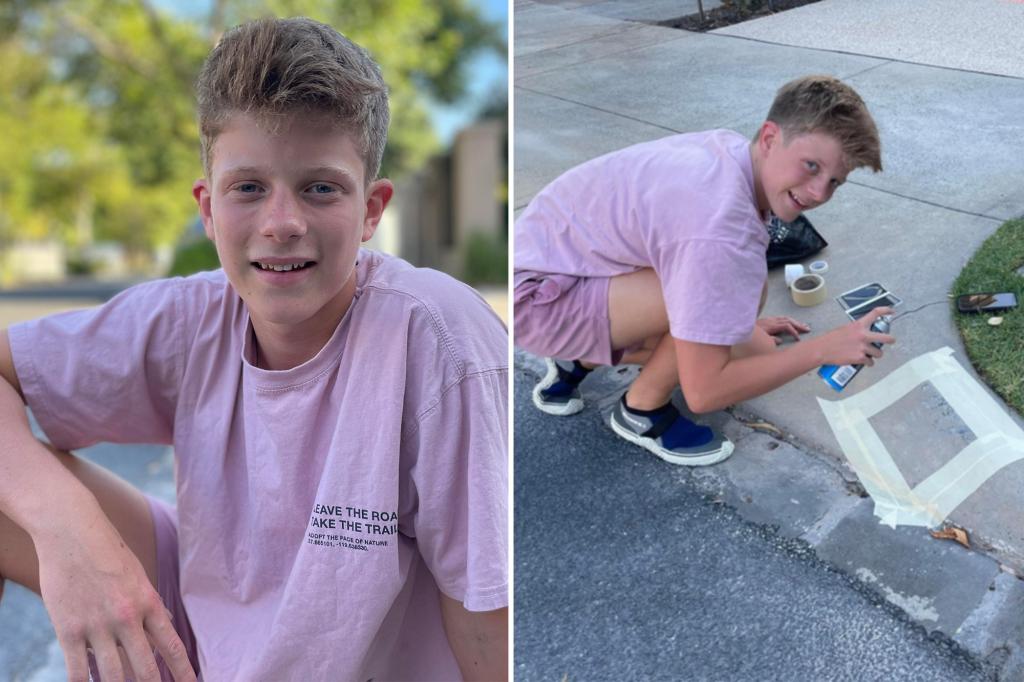
Thirteen-year-old Ben Adler from Melbourne has started his own business painting street numbers on people's property for $20 a pop, making $40 per hour on weekends. He works up to 20 hours on weekends, traveling about 30 miles on his bike to get to his customers and back home again. The teen hopes to save up for college and a car. Customer Jim Magee, who had his house number painted by the teenager, said the young teen had done a stellar job and was "a pleasure to do business with".