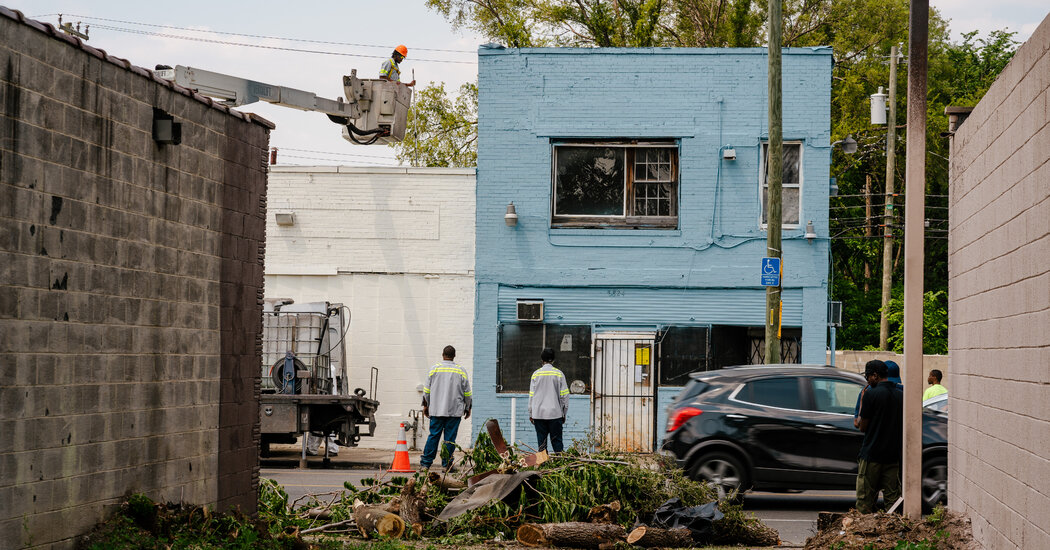
Ten years after filing for bankruptcy, Detroit is making progress in addressing long-neglected issues such as code enforcement and park maintenance. The city is now able to allocate funds for basic government functions that were previously out of reach. Vacant and decaying buildings are being targeted for renovation or demolition, while parks and waterfront areas have seen significant improvements. However, Detroit still faces challenges such as abandoned houses, high crime rates, and population decline. With a healthier economy and federal relief funds, the city has an opportunity to go beyond the basics and focus on aesthetic enhancements. There is a diversity of opinions on what should be prioritized, with some advocating for population growth and crime reduction, while others emphasize infrastructure improvements. Overall, Detroit's progress since bankruptcy has been notable, but there is still much work to be done.

The board that oversees Disney World, EPCOT and other parks will consider a proposal to establish a code enforcement system that would allow code enforcement officers to impose civil penalties of up to $500 per infraction per day. The proposal comes amid an ongoing legal battle between Disney and Florida Gov. Ron DeSantis over the company's First Amendment rights. Disney filed a lawsuit last month accusing DeSantis of dissolving the Reedy Creek district in retaliation for the company's opposition to a law restricting classroom discussion on gender identity and sexual orientation.
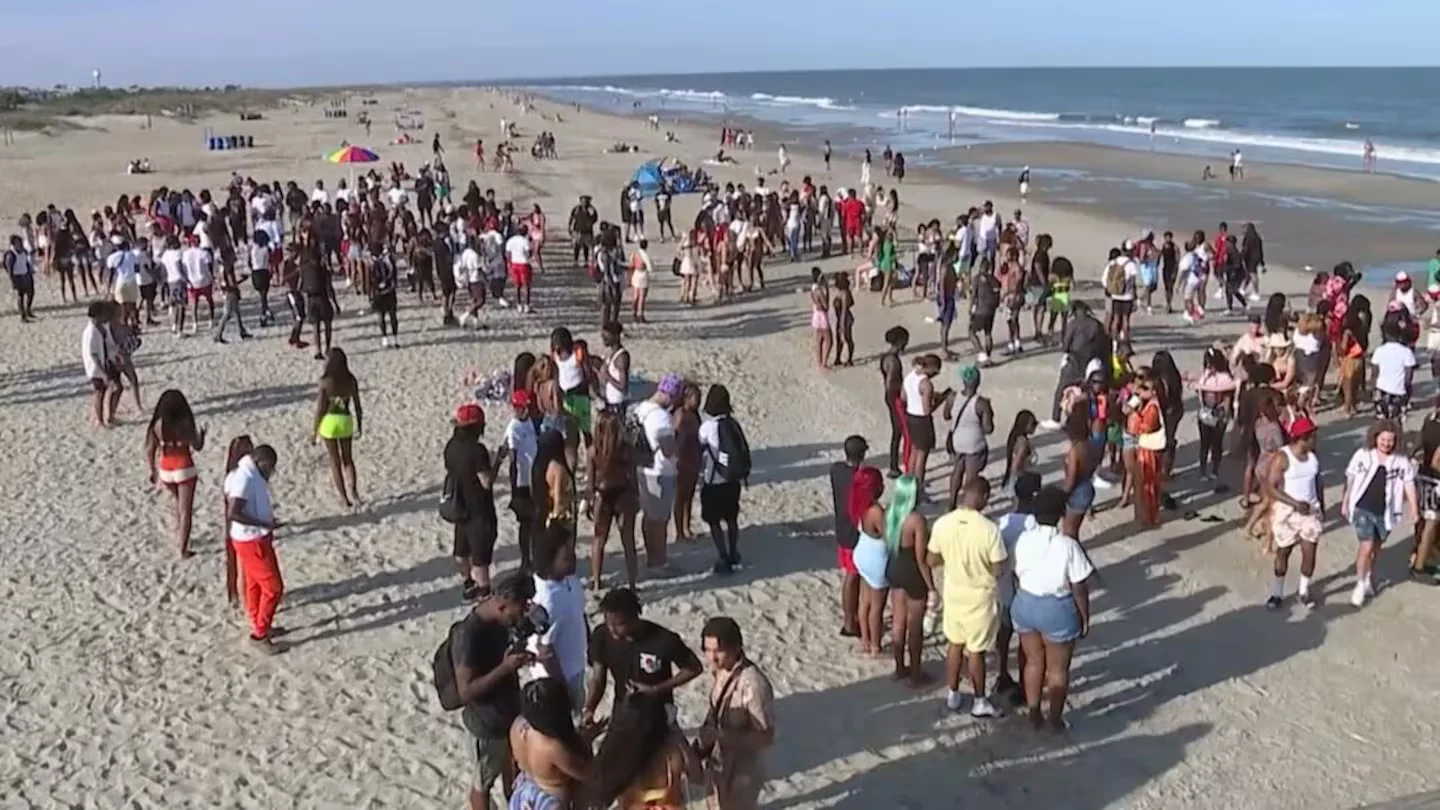
The Tybee Police Department made 18 arrests, issued 37 traffic citations, and 53 code enforcement violations during the unpermitted Orange Crush beach party, which is the unofficial spring break beach party for students of Historically Black Colleges and Universities in the South. Police are preparing for another beach party next weekend after rumors surfaced. The event returned to Tybee Island in full force after its relocation to Jacksonville Beach, Florida, two years ago.