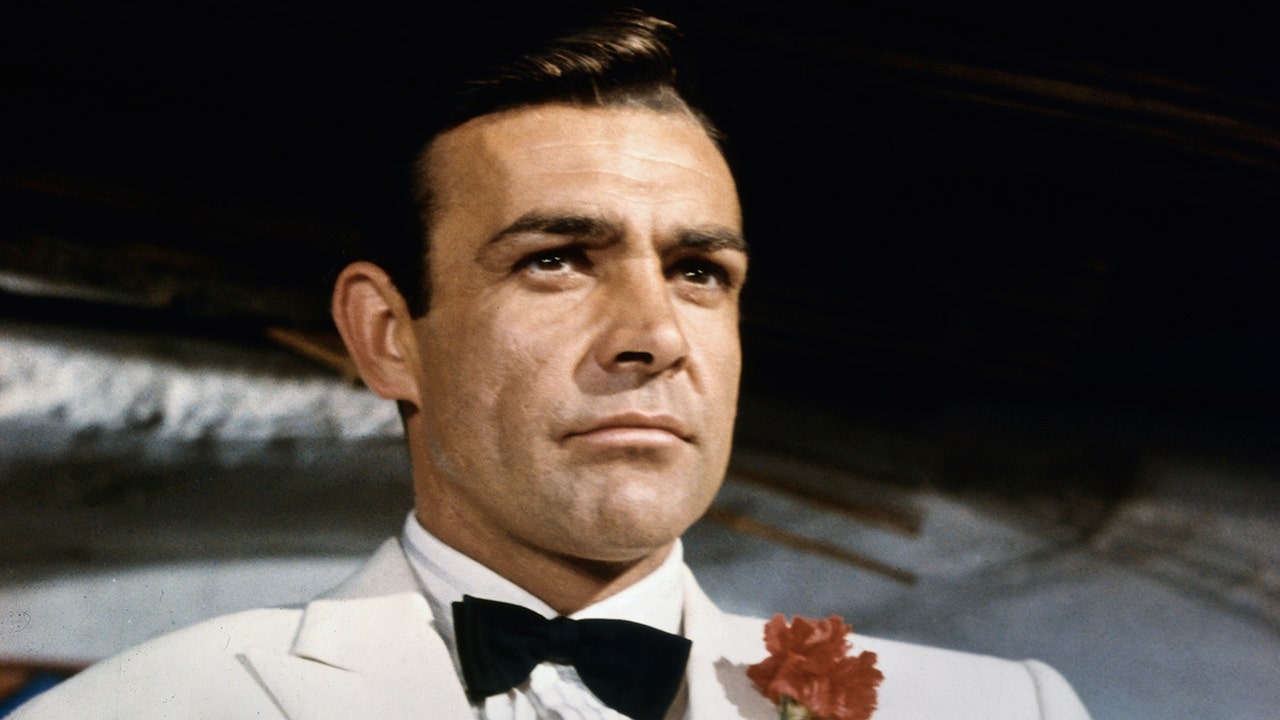
The British Film Institute (BFI) has added trigger warnings to classic films, including James Bond movies scored by John Barry, to alert audiences of content that may cause offence due to outdated cultural depictions. The warnings, which appear on the BFI's website and at the point of sale, are part of the institute's responsibility to both preserve films' historical accuracy and consider the impact on modern audiences. This move aligns with findings from a survey suggesting a majority of teenagers support such warnings for content that could affect mental health.
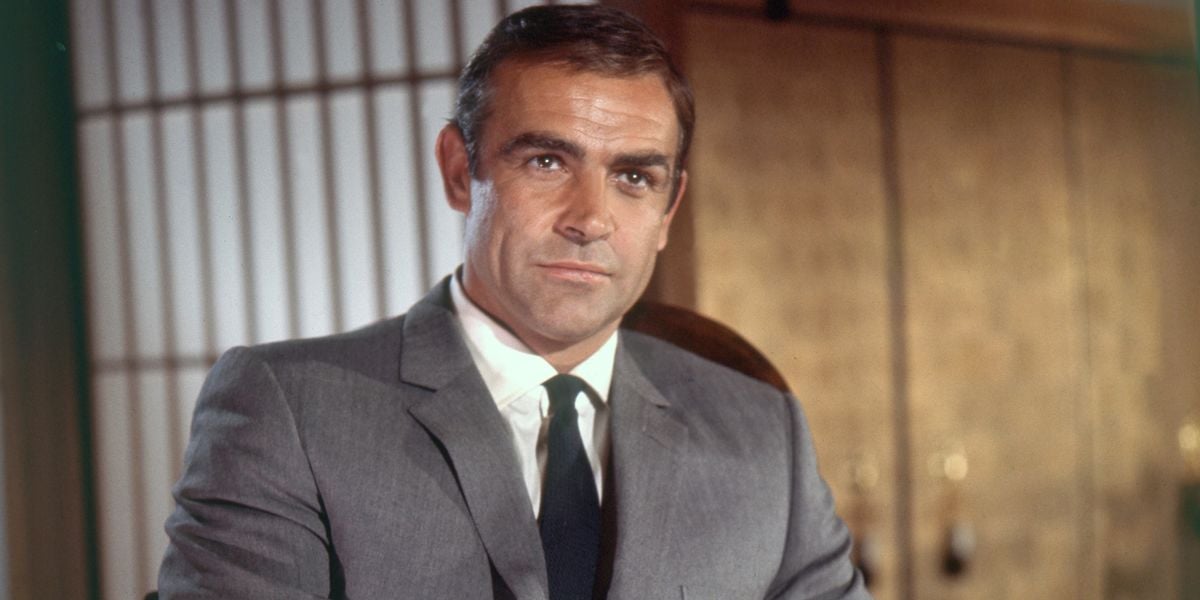
The British Film Institute (BFI) has issued trigger warnings for classic James Bond films and other movies from the 1960s, advising modern audiences that they may contain outdated and offensive content. The warnings, which apply to films like "You Only Live Twice" and "Goldfinger," note that the content reflected views prevalent at the time of release but may cause offence today. The decision has sparked debate, with some defending the historical context of the films and others acknowledging the problematic portrayals, particularly of women and cultural identities.
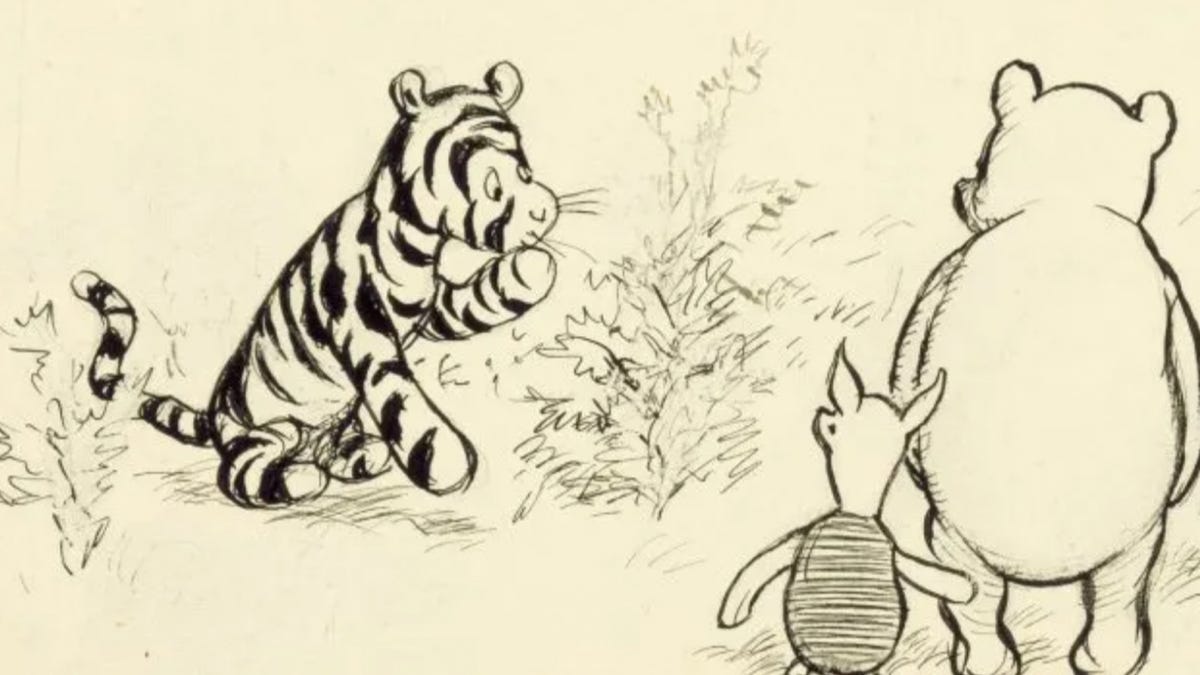
As 2024 begins, a variety of classic works have entered the public domain alongside "Steamboat Willie," including other Mickey Mouse shorts like "Plane Crazy" and "The Galloping Gaucho," as well as Oswald the Lucky Rabbit cartoons. Tigger from A.A. Milne's "The House At Pooh Corner" is now free to use, and notable books such as Virginia Woolf's "Orlando" and Erich Maria Remarque’s "All Quiet On The Western Front" are also available for new adaptations. Films from 1928 like "The Singing Fool" and "The Cameraman" have become public property, and songs like "Mack The Knife" and "When You’re Smiling" can now be covered without paying royalties, although some recorded versions may still be copyrighted. This shift opens the door for creators to explore and reinvent these classic works without legal restrictions.