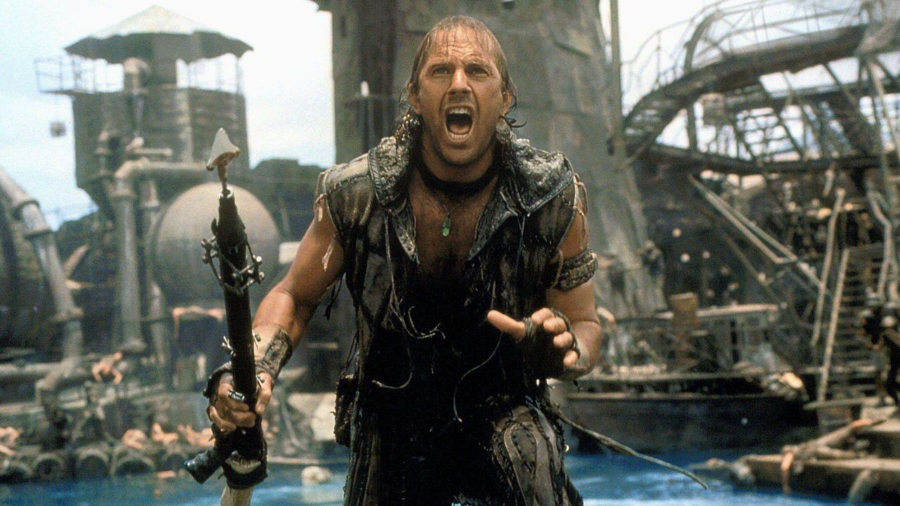
Kevin Costner's decision to star in Waterworld instead of The Shawshank Redemption in the early '90s is considered a major career misstep, as Waterworld was a costly box office failure and he missed out on a potentially iconic role in one of the greatest films of all time. Despite Waterworld's initial success, its reputation as a flop and Costner's subsequent career struggles highlight the impact of such choices.
A 27-year-old Oxford graduate, Simon van Teutem, rejects lucrative offers from McKinsey and Morgan Stanley to explore why talented young people are drawn into prestigious but unfulfilling careers, highlighting systemic pressures, social status illusions, and the need for institutional change to encourage risk-taking and purpose-driven work.
Kirsten Dunst has declined to participate in a 'Bring It On' reboot, preferring to leave the beloved film as it is, and is currently starring in 'Roofman' while considering future projects like a 'Minecraft' sequel for fun and financial reasons.
Many Gen Z individuals regret their college choices, with 25% wishing they had pursued higher-paying fields like tech or finance, due to rising costs, student debt, and uncertain job prospects, leading to a reevaluation of the value of higher education.
Keira Knightley has decided not to return to movie franchises like 'Pirates of the Caribbean' due to the demanding nature of such projects and her desire to focus on raising her two daughters. While the franchise boosted her fame, it also led to public scrutiny, making her cautious about similar roles. Knightley now seeks roles that offer "pure entertainment" and is set to star in the Netflix series 'Black Doves.'
Keira Knightley shared insights into her private life with husband James Righton and their two daughters, explaining her decision to step back from Hollywood to focus on family. She expressed reluctance to join major movie franchises again due to the demanding schedules and lack of control. Knightley also discussed the dynamics of her marriage, highlighting their contrasting personalities and how they balance each other out. She opened up about her struggles with fame, including a past diagnosis of PTSD, and her use of hypnotherapy to manage anxiety.
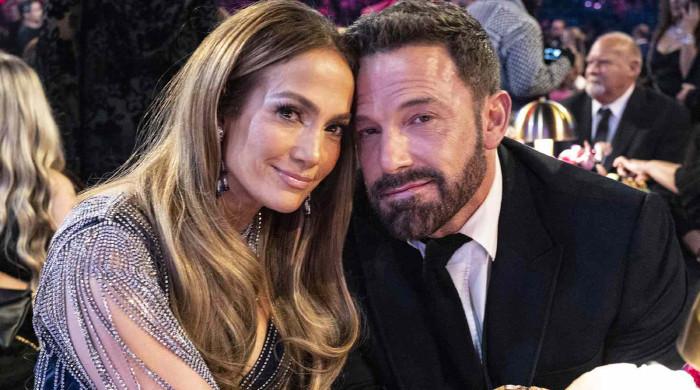
Ben Affleck is reportedly concerned about Jennifer Lopez's career choices, feeling she is involved in too many mediocre projects and surrounded by unhelpful advisors. Amid rumors of marital issues, Lopez has canceled her This Is Me … Live Tour to spend time with her family, expressing her regret to fans and promising to make it up to them.
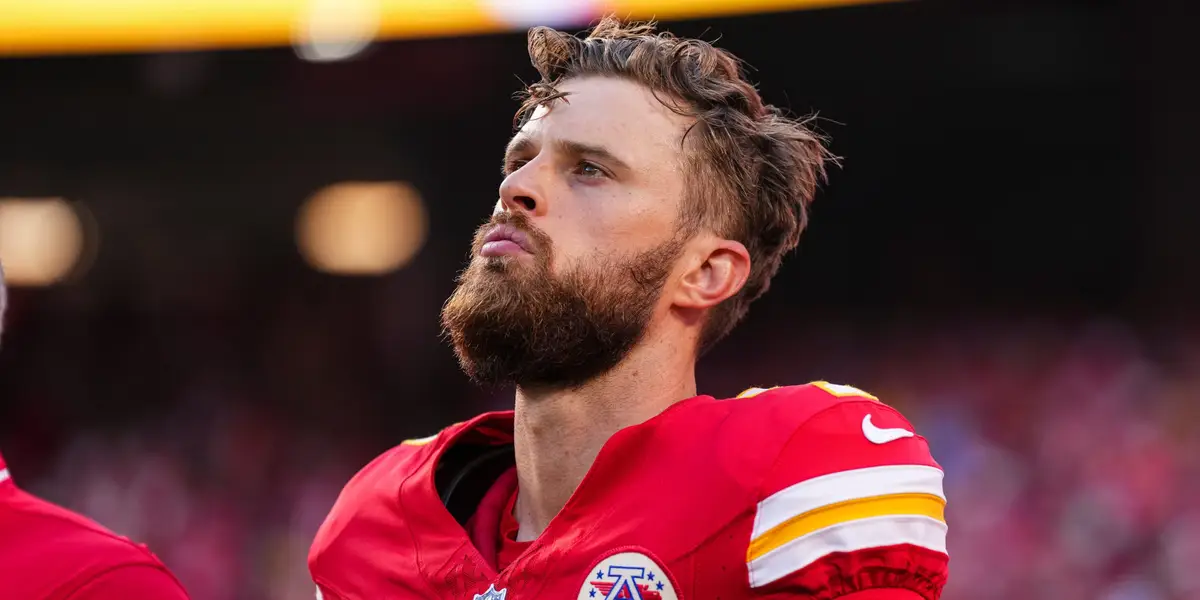
Kansas City Chiefs player Harrison Butker faced backlash for his comments at Benedictine College, suggesting women should prioritize homemaking over professional careers. Despite criticism, Butker stands by his views, emphasizing freedom of religion. Career coach Phoebe Gavin and crisis PR expert Jessica Schaefer argue that women should have the freedom to choose their paths without judgment and that commencement speeches should inspire rather than push personal opinions. The NFL and Butker's teammates have distanced themselves from his remarks, while Benedictine College nuns also expressed disagreement.
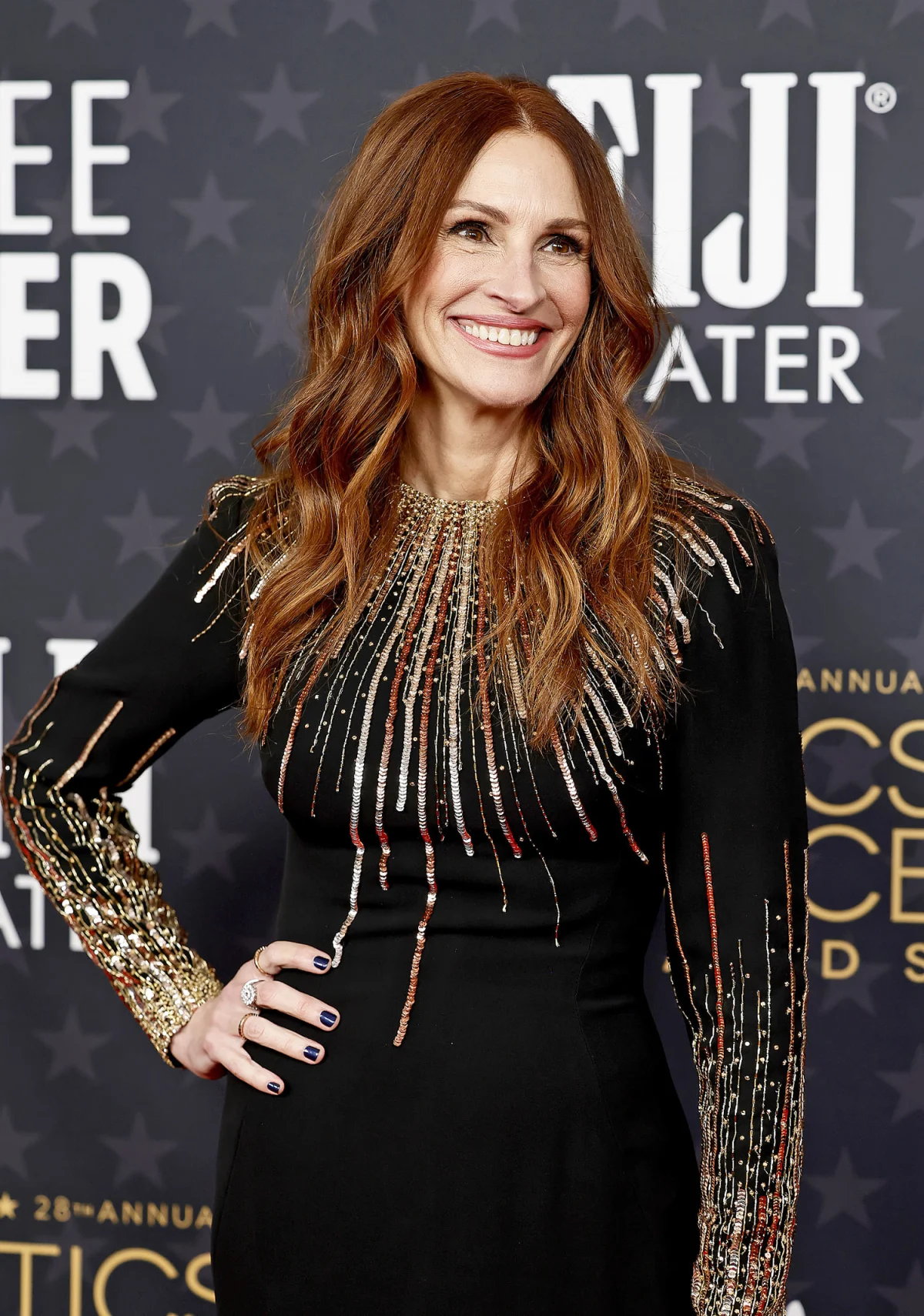
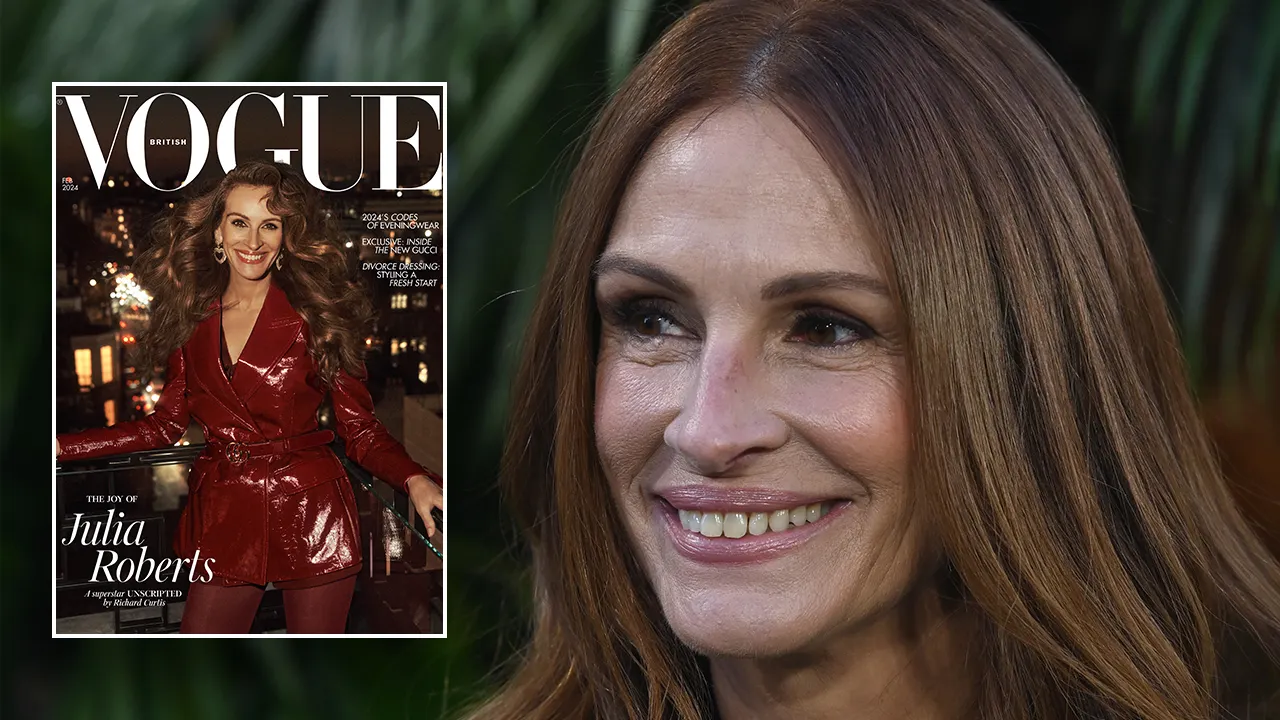
Julia Roberts opened up about her decision to never take her clothes off on screen, describing it as a personal choice and revealing her DNA connection to feminist icon Gloria Steinem. She also discussed the changes in Hollywood since she started acting, feeling like a "dinosaur" in the current industry, and expressing how it seems more chaotic and exhausting now.
Julia Roberts, in an interview with British Vogue, expressed her pride in maintaining a "G-rated" career by choosing not to do nudity in movies, citing it as a personal choice that represents her. She also discussed her love for romantic comedies, her reluctance to play characters who die on screen, and her observations on the changes in Hollywood since she first entered the industry. Roberts emphasized that while she doesn't judge others for their choices, she feels confident in her own decisions and is content with the path she has taken in her career.
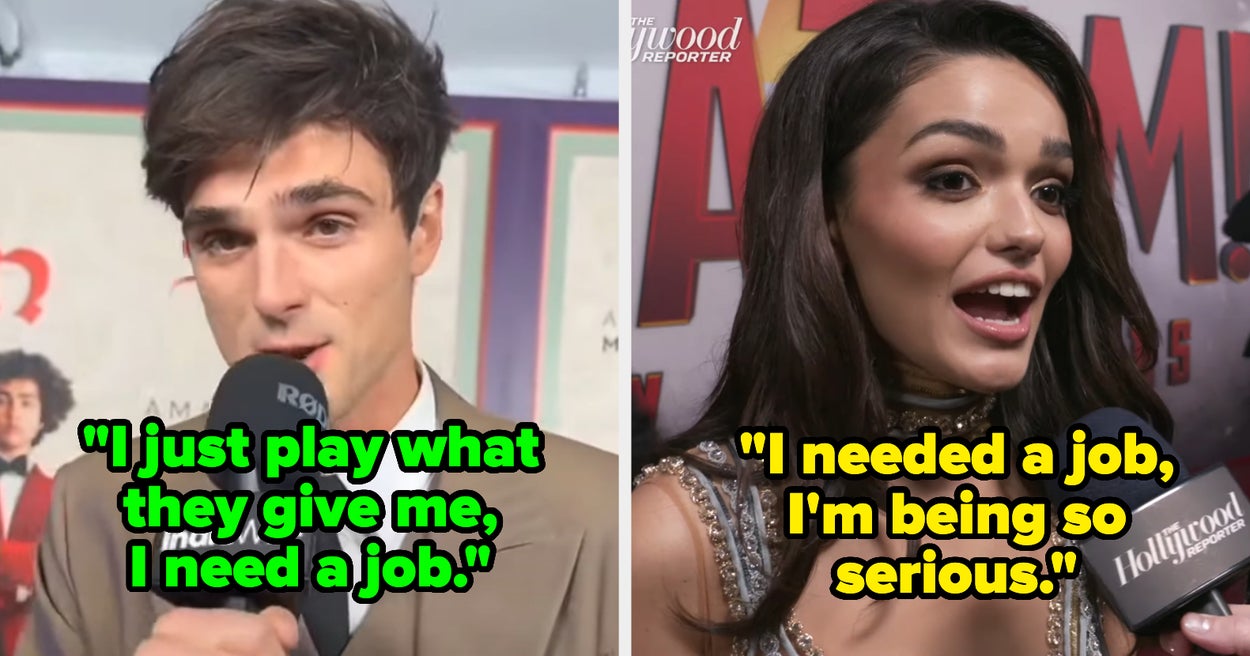
Thirteen celebrities, including Hugh Grant, Taika Waititi, and Amanda Seyfried, have openly admitted to taking TV and movie roles solely for the paycheck. Reasons cited include financial needs, supporting family, and creating opportunities for future projects. Despite not always enjoying the process, these celebrities acknowledge the importance of financial stability and the role that paycheck jobs play in their careers.
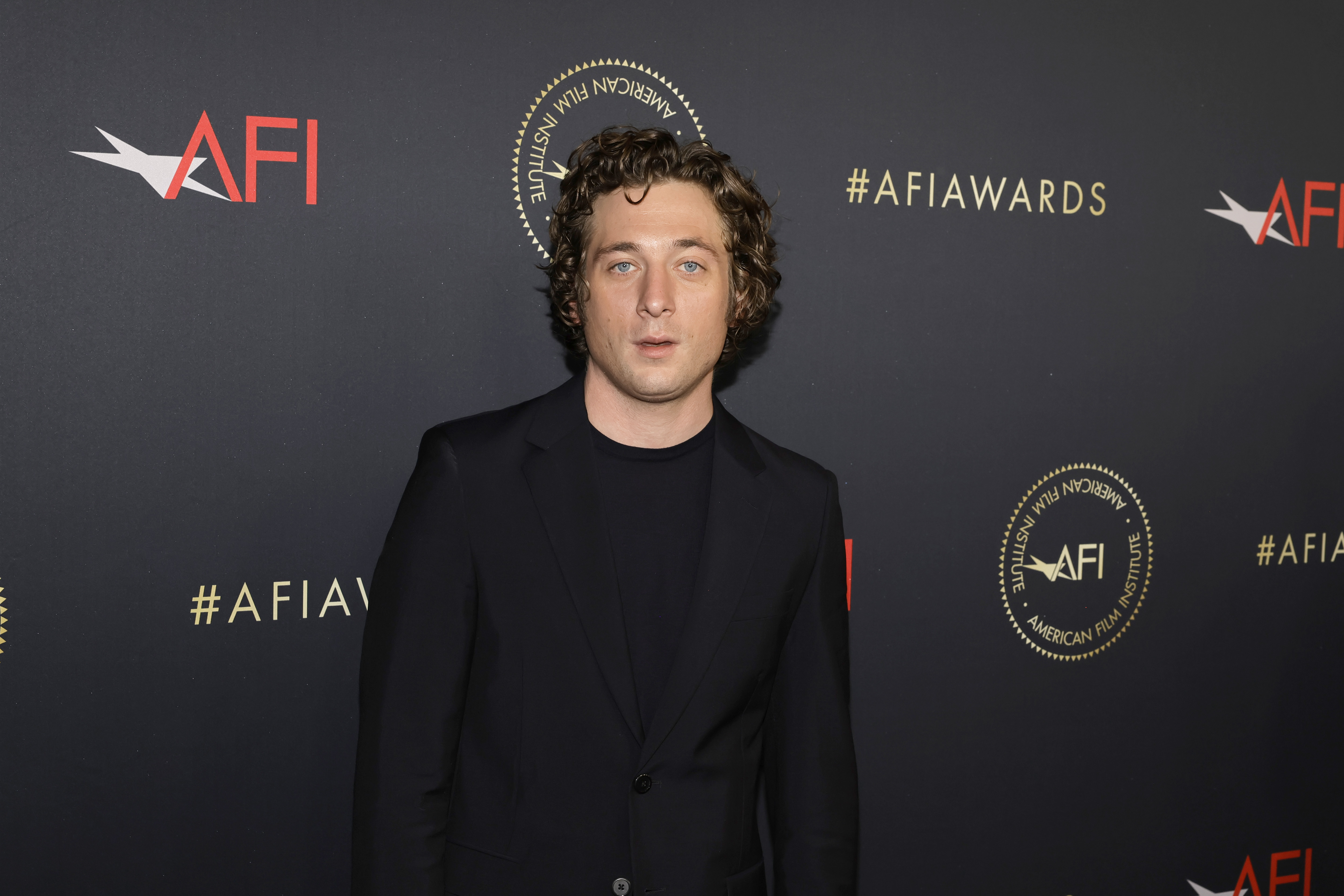
Jeremy Allen White has no regrets about his attitude during a meeting with Marvel executives, where he questioned why he should do a Marvel movie. The "Shameless" star prefers leading indie films and believes that the pinnacle of an actor's career should not be limited to joining the Marvel Cinematic Universe (MCU). White wants to continue doing what he loves and views his decision as buying himself more time to pursue his passion for making $25 million dramas. His sentiments align with those of other indie actors, such as Paul Mescal, who would struggle with being contractually obligated to a franchise like Marvel.
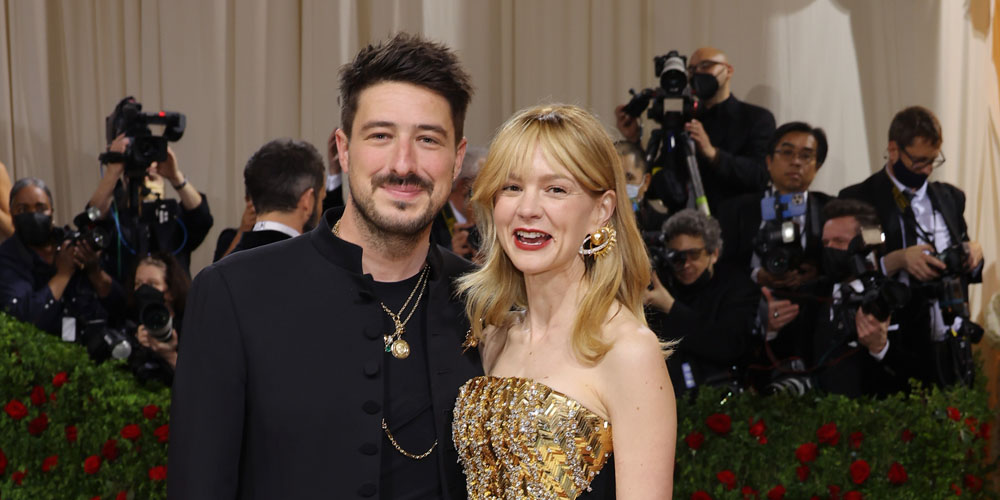
Actress Carey Mulligan reveals that she chooses movies based on the script and the challenge it presents, rather than following a strategic career plan. She prefers to be surprised by great projects that come her way, rather than developing her own material. Mulligan also discusses her life with husband Marcus Mumford and how they navigate their separate careers.
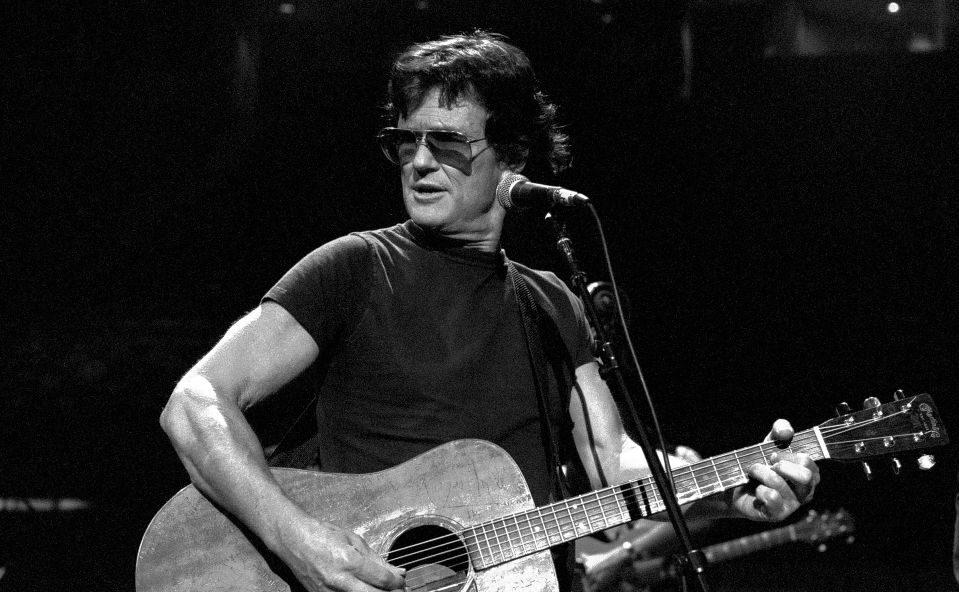
Kris Kristofferson, known for his contributions to country music, had a diverse and impressive resume before pursuing his passion. As a Rhodes Scholar, he excelled in academics, sports, and military service, even turning down a teaching job at West Point. Despite pressure from his family, he moved to Nashville and took a job as a janitor at a recording studio. His encounter with June Carter and Johnny Cash eventually led to his breakthrough in the music industry. Kristofferson's story serves as a reminder that passion is essential in pursuing one's dreams.
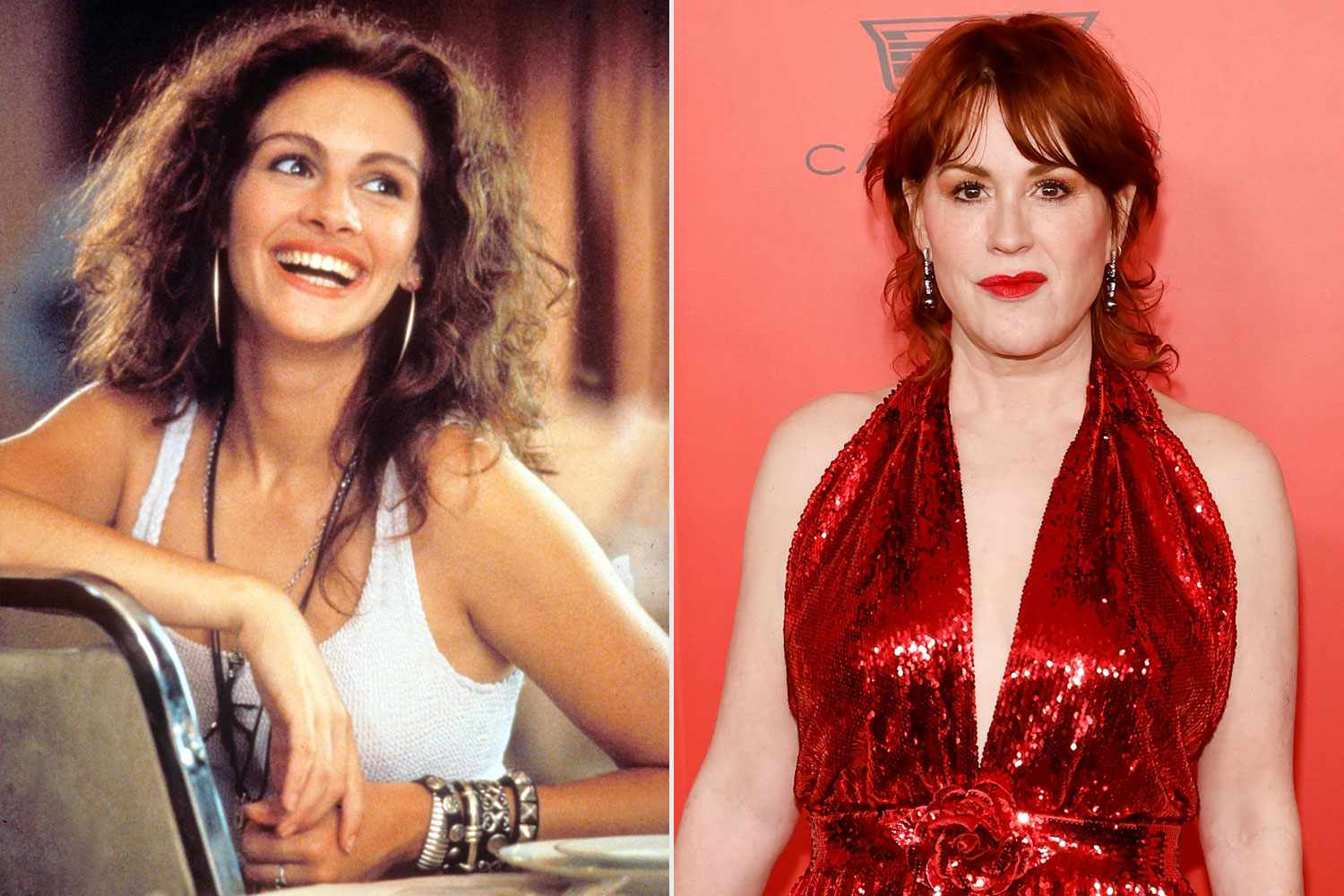
Actress Molly Ringwald revealed that she turned down the lead role in the 1990 romantic comedy Pretty Woman, which ultimately went to Julia Roberts and earned her an Academy Award nomination. Ringwald explained that she didn't like the story and felt there was something "icky" about it. She also discussed feeling pigeonholed in her career due to her previous film credits and being passed up for other roles. This isn't the first time Ringwald has discussed turning down the role, but she praised Roberts for her performance and acknowledged that the part was what made the movie.