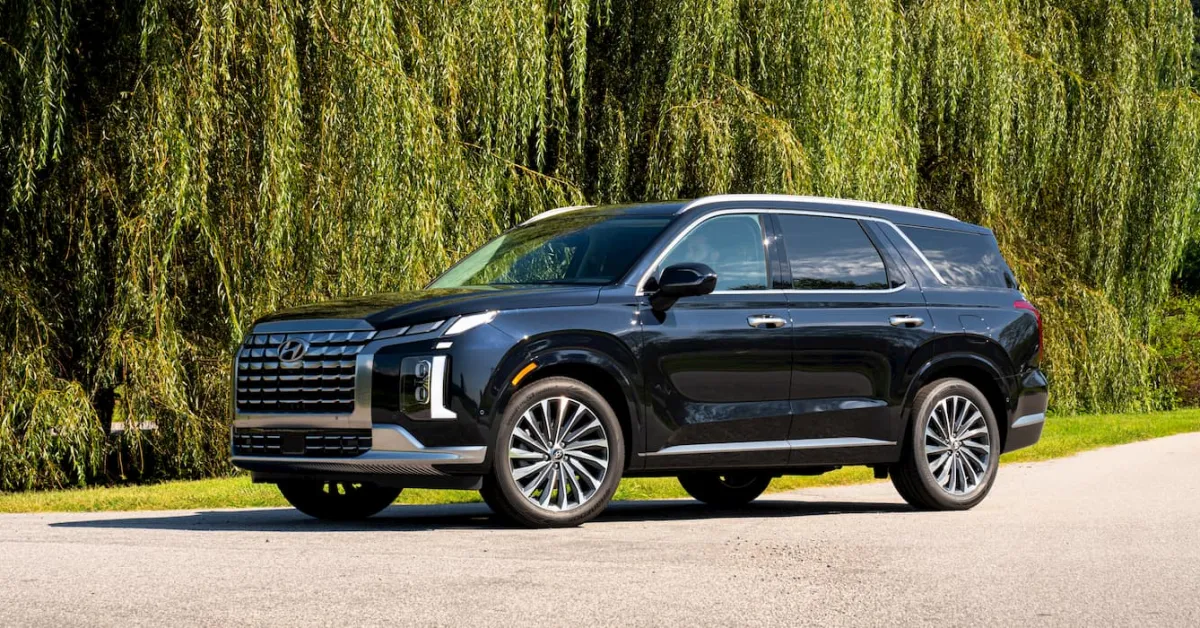
Hyundai is recalling nearly 600,000 vehicles in the US, including Palisade SUVs and IONIQ electric models, due to issues like faulty seat belts and charging port detachment, with repairs offered free of charge. Owner notifications will be sent in November 2025.
Nissan is recalling over 480,000 vehicles in the U.S. and Canada due to manufacturing defects in engine bearings that could cause engine failure, with repairs including inspection, replacement, and reprogramming, and owner notifications starting in late August.
Toyota and General Motors are urging owners of certain older Corolla, Matrix, RAV4, and Pontiac Vibe models to stop driving them due to the risk of Takata air bag inflators exploding and hurling shrapnel. The urgent warning covers vehicles from the 2003 and 2004 model years, with most of the affected vehicles in the U.S. Owners are advised to contact local dealers for repair options, and can check if their cars are affected by entering their vehicle identification number on nhtsa.gov/recalls. Takata's use of volatile ammonium nitrate in air bag inflators has led to the largest series of auto recalls in U.S. history, with at least 26 deaths in the U.S. and 30 worldwide attributed to the issue.
Hyundai and Kia have issued a recall of 571,000 SUVs and minivans in the US due to a fire hazard caused by the tow hitch harness. The recall includes several models of Santa Fe and the Santa Cruz, as well as the Kia Carnival minivan. The carmakers have faced similar recalls in the past due to fire and engine problems. Owners will be notified to take their cars to dealers for a free repair.
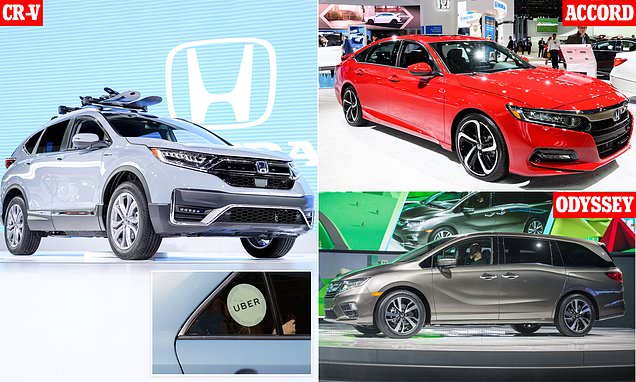
Honda has recalled 500,000 vehicles, including popular Accord and premium Acura models, due to a manufacturing issue with the front seat belts that could prevent them from latching, resulting in the risk of injury. Several Honda models included in the recall are eligible and recommended to those who drive for Uber and Lyft. Honda dealers will replace the front seat belt buckle release buttons or the buckle assemblies in any affected vehicles as necessary for free. Thousands of Uber and Lyft drivers across the US could be off the road for a few days to ensure that the problem is fixed.