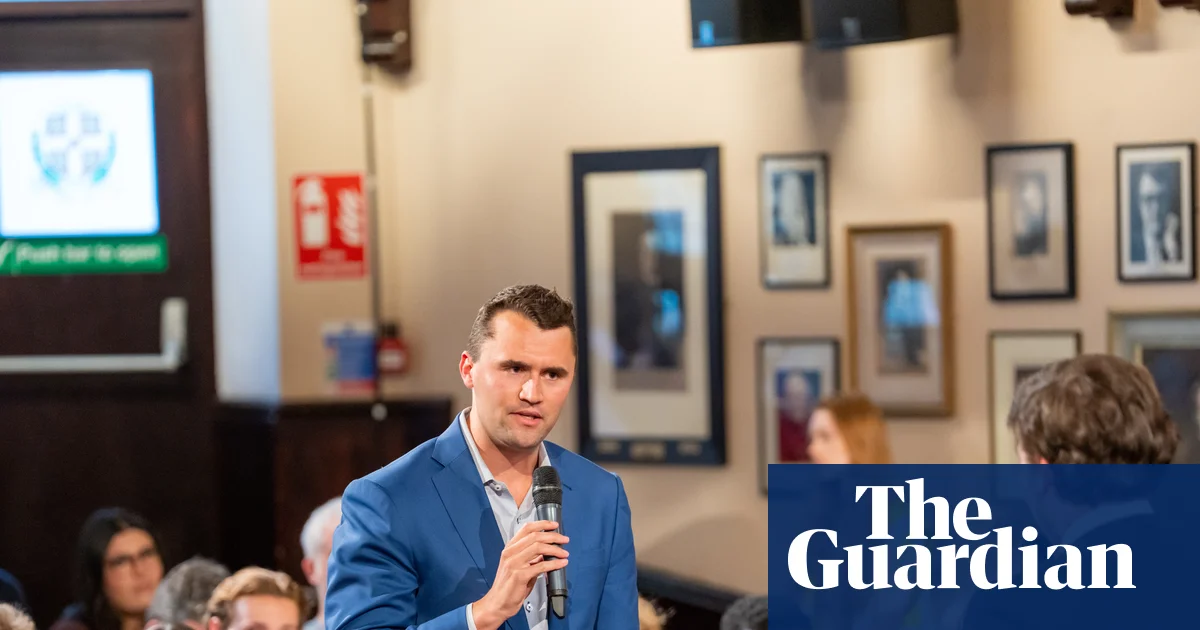
Charlie Kirk, a prominent far-right activist and founder of Turning Point USA, played a significant role in transforming US college campuses into battlegrounds for ideological conflicts, promoting anti-woke and conservative narratives, which contributed to the broader culture wars. His recent murder at Utah Valley University marks a tragic end to over a decade of campus activism that influenced national discourse and policies against higher education, raising concerns about the impact of political violence on academic freedom.
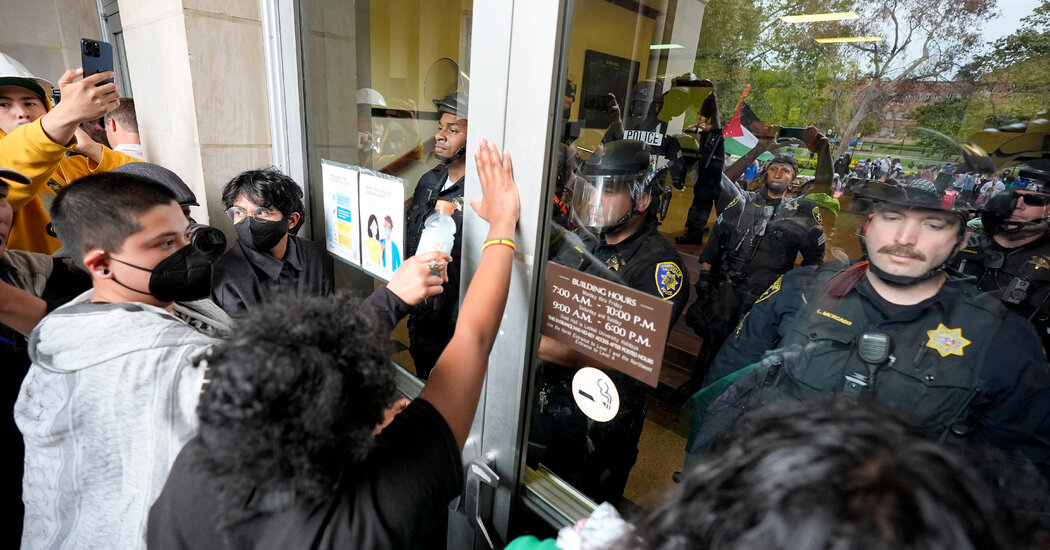
Pro-Palestinian demonstrators at UCLA briefly formed an encampment and occupied Dodd Hall before police in riot gear cleared them out. The protests coincided with the university chancellor's testimony before Congress regarding a similar incident last month. No arrests were reported.
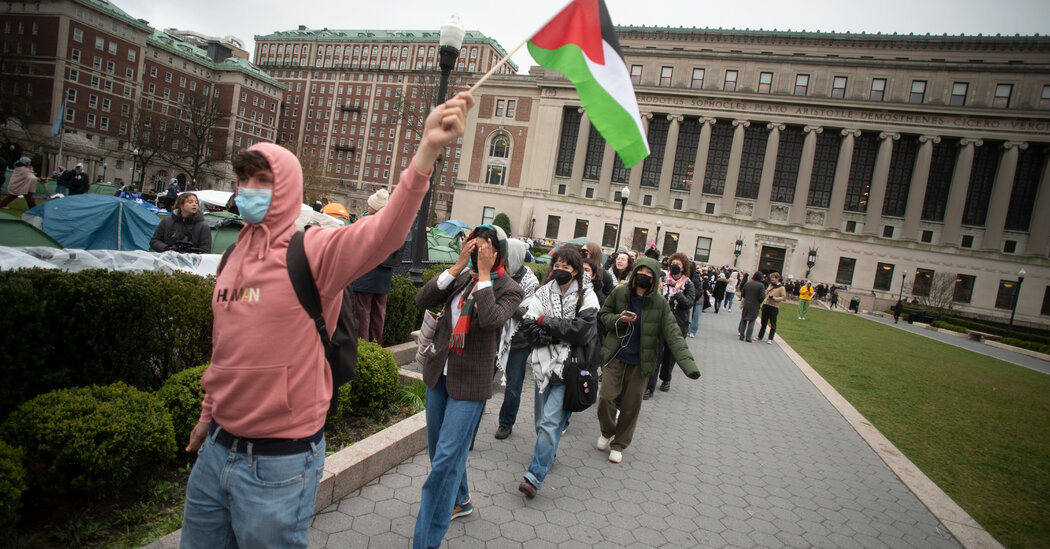
More than 100 student demonstrators were arrested at Columbia University after the police cleared an encampment set up to protest the Israel-Hamas war. Despite the crackdown, student activists remained defiant, with scores of students taking over a campus lawn, enjoying donated pizza and snacks, and even holding an impromptu dance party. The university's decision to bring in law enforcement has sparked questions about whether more stringent tactics will quell protests or fuel them, as college administrators grapple with the ongoing student activism over the Palestinian cause.
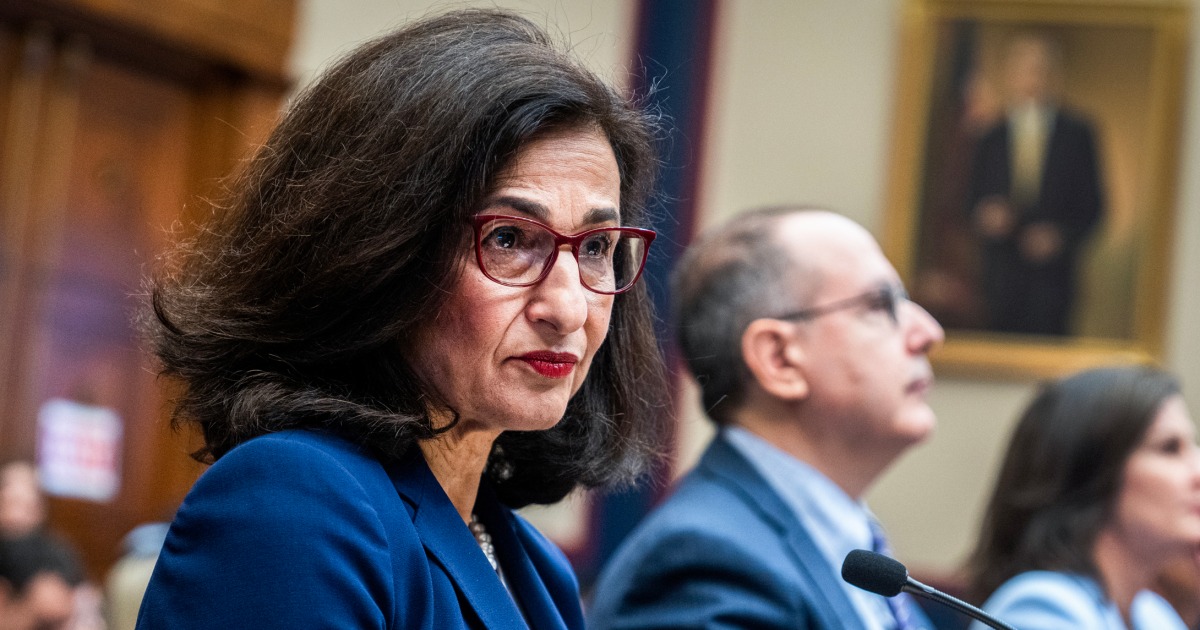
Columbia University's president, Nemat “Minouche” Shafik, strongly denounced antisemitism during a congressional hearing, facing questions about the handling of antisemitism on campus after a Hamas attack. She condemned a professor's comments and confirmed consequences for another, but faced scrutiny for the handling of faculty members. The hearing also addressed the suspension of student groups and the impact of antisemitism on campus life.
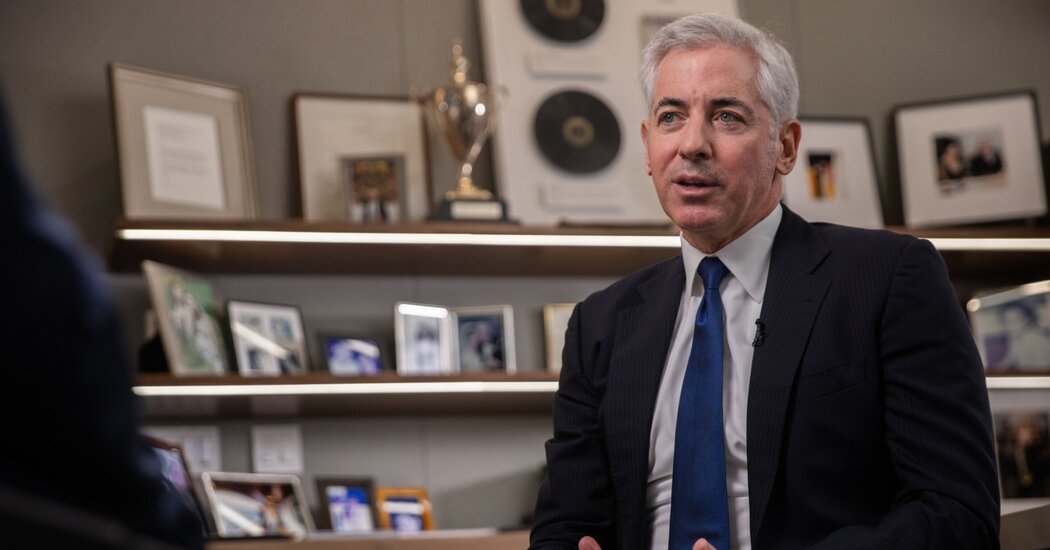
Billionaire investor Bill Ackman's campaign against Harvard president Claudine Gay over allegations of antisemitism and threats to Jewish students on campus is fueled not only by his concerns but also by long-held personal grievances. Ackman, an alumnus who has donated tens of millions of dollars to Harvard, resents that university officials have not heeded his advice on various topics. While his campaign failed to remove Gay from her position, it has sparked a debate about antisemitism at universities and the influence of major donors. Ackman aims to be a "positive force" at the school, but critics argue that wealthy donors should not have undue influence over universities.
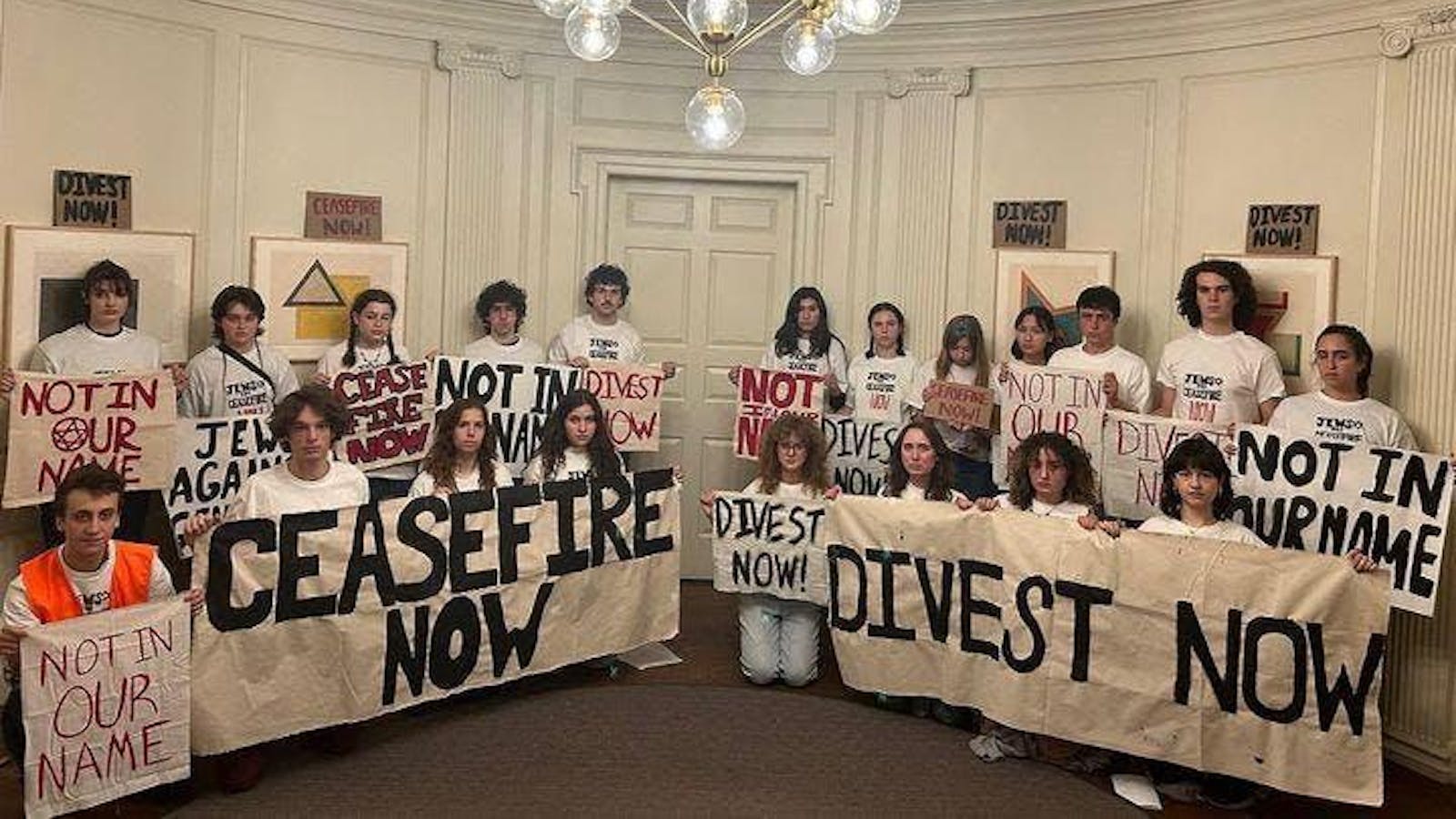
Brown University has requested that charges be dropped against 20 Jewish students who were arrested after staging a sit-in at University Hall. The city has agreed to drop the charges, but the students will still face the University's disciplinary process. The students had refused to leave the hall until the university called for a ceasefire in Gaza and committed to divesting from companies enabling war crimes. The decision to drop the charges was made in light of recent events on campus, including the shooting of three Palestinian college students. The university hopes to refocus attention on important issues and reduce tensions on campus.
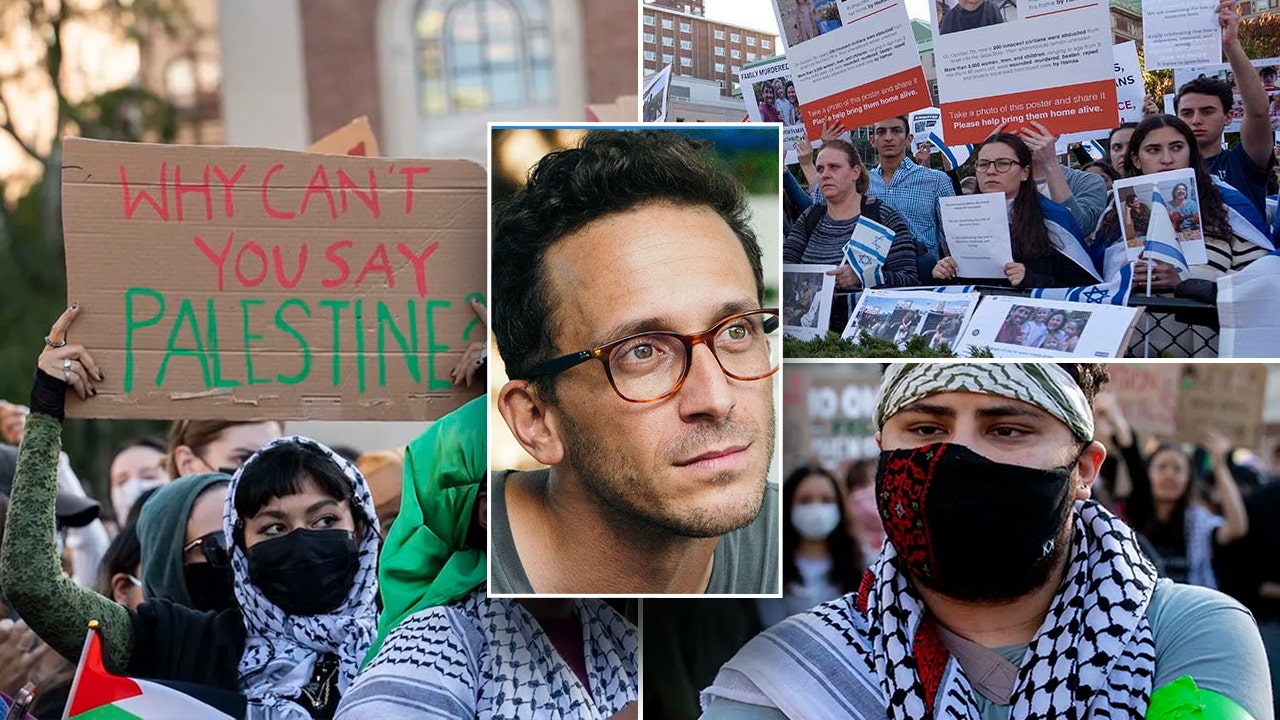
Shai Davidai, a Columbia Business School assistant professor, has criticized Columbia University's leadership for remaining silent on Hamas terrorist attacks on Israel and accused the media of biased coverage. Davidai, who went viral after calling out the university president, expressed his disappointment in the administration's lack of response and highlighted the broader issue of antisemitism on college campuses. He also criticized media outlets for quickly moving on from the atrocities committed by Hamas. Davidai emphasized the need for accountability and defended his stance as pro-Palestine but anti-Hamas. Over 100 Columbia professors have signed a letter defending students who supported Hamas' actions, while Davidai expressed shock at their failure to mention Hamas in their statement.
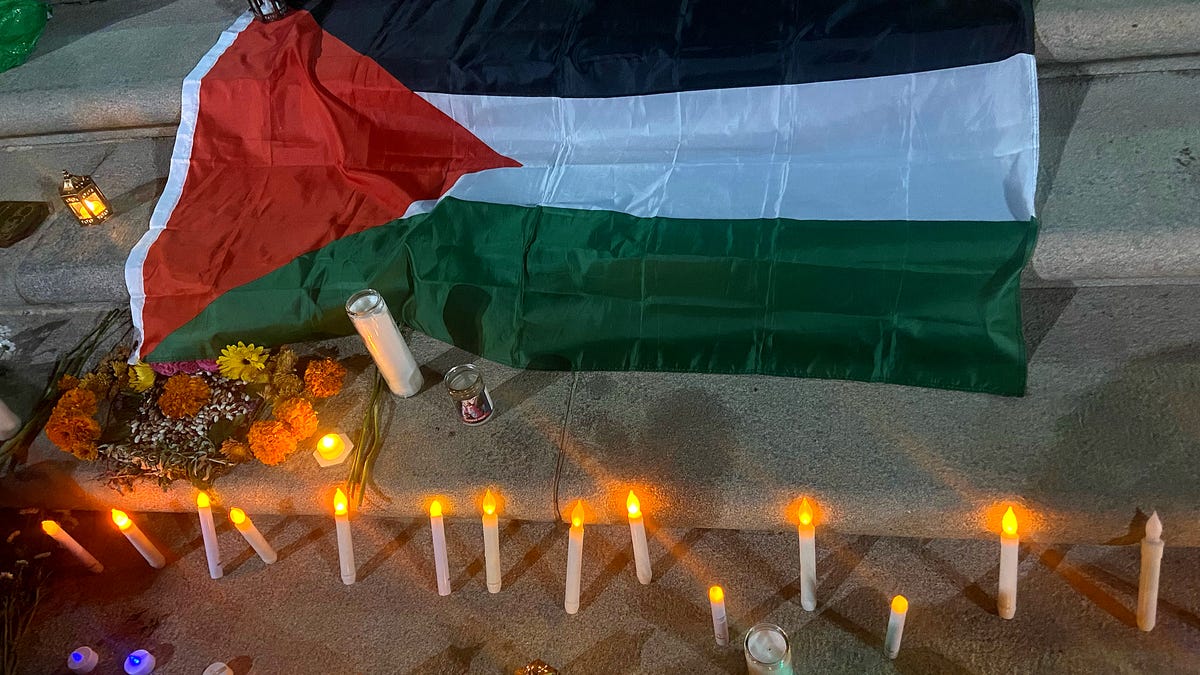
The Israel-Hamas war has sparked a surge in campus activism on college campuses across the United States, with students engaging in heated debates, protests, and counter-protests. The conflict has led to increased tensions, harassment, and intimidation on both sides, with pro-Palestinian activists facing online harassment and Jewish students experiencing antisemitic social media posts and protests. College administrators have been criticized for their handling of the situation, and some faculty members have faced backlash for their statements and assignments related to the war. The activism has also had financial implications, with some donors withdrawing support from universities. The current climate has raised concerns about free speech and the safety of students on campus.
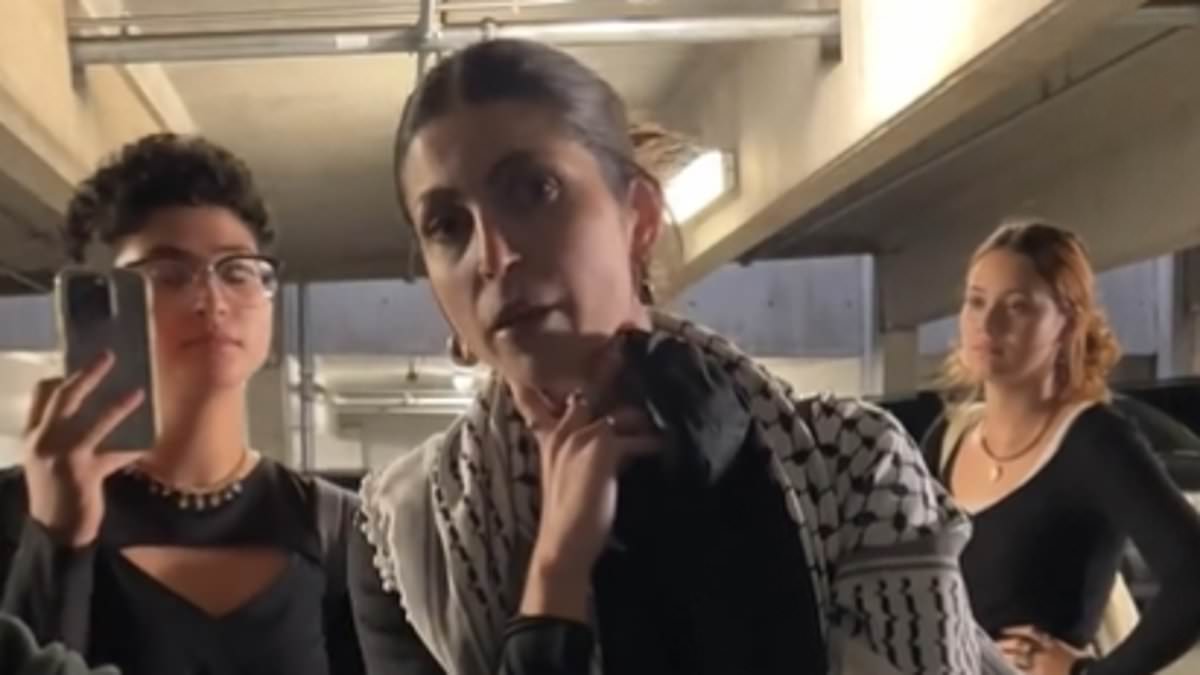
Pro-Palestine activists at the University of Massachusetts Amherst allegedly harassed a journalist, demanding to know her ethnicity and personal information. The incident occurred amid escalating tensions on US campuses following the Middle East conflict. Video journalist Kassy Dillon shared footage of the confrontation, where activists demanded her contact information for "legal reasons." Pro-Israel activists countered the protest, expressing disgust at the language used by those supporting Hamas' attacks. Republican Senator Josh Hawley called for an investigation into pro-Palestine student groups on college campuses, questioning their funding sources and potential ties to terror networks.