Tag

Brights Zoo

All articles tagged with #brights zoo

"Kipekee: The Name of the Rare Spotless Giraffe Born at Brights Zoo"

Originally Published 2 years ago — by TODAY

Featured image for "Kipekee: The Name of the Rare Spotless Giraffe Born at Brights Zoo"
Source: TODAY

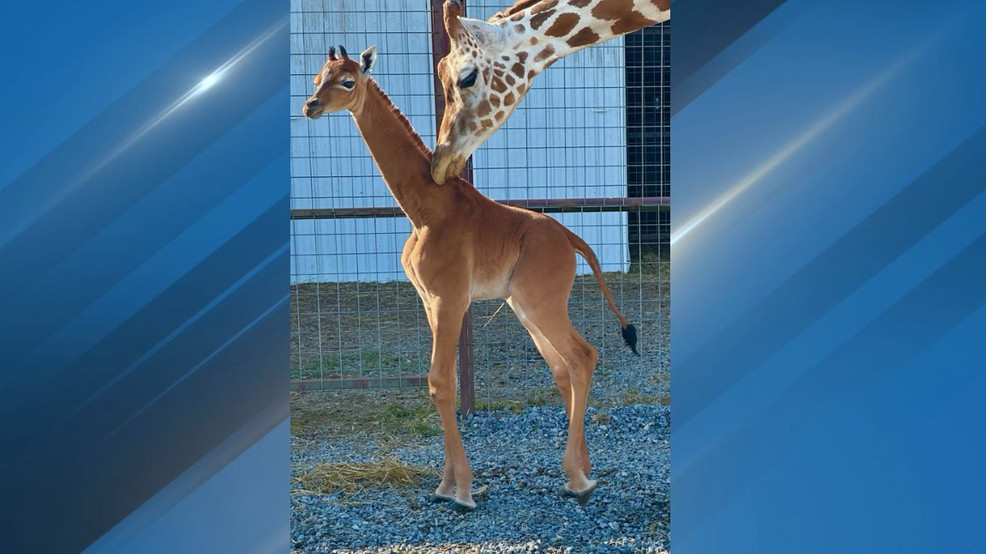
The Brights Zoo in Tennessee has named a rare baby giraffe without spots "Kipekee" after a public naming contest. The 5-week-old giraffe is believed to be the only known solid-colored reticulated giraffe in the world. With over 16,000 votes, Kipekee beat out three other names to become the winner. The baby giraffe, born on July 31, is already 6 feet tall and is described as laid back and curious.


Rare Spotless Giraffe Born at Tennessee Zoo

Originally Published 2 years ago — by New York Post

Featured image for Rare Spotless Giraffe Born at Tennessee Zoo
Source: New York Post

A spotless giraffe calf was born at Brights Zoo in Tennessee, believed to be the only fully-brown, solid-colored reticulated giraffe in the world. The six-foot-tall baby giraffe is thriving under the care of its mother and has garnered international attention, raising awareness for the endangered species. The Brights Zoo is asking the public to help choose a Swahili name for the rare giraffe, with options including Kipekee, Friyali, Shakiri, or Jamella.

"Unprecedented Birth: Spotless Giraffe Defies Nature at Bright's Zoo"

Originally Published 2 years ago — by WJHL-TV News Channel 11

Featured image for "Unprecedented Birth: Spotless Giraffe Defies Nature at Bright's Zoo"
Source: WJHL-TV News Channel 11

Bright's Zoo in Limestone, Tennessee, has welcomed the birth of a rare solid brown giraffe, believed to be the only one of its kind in the world. The baby giraffe, standing at six feet tall, is thriving under its mother's care. The zoo is seeking help from the public to choose a name for the giraffe through a naming contest on their Facebook page. The attention garnered by the unique giraffe has shed light on the importance of giraffe conservation, as wild populations have declined by 40% in the last three decades.