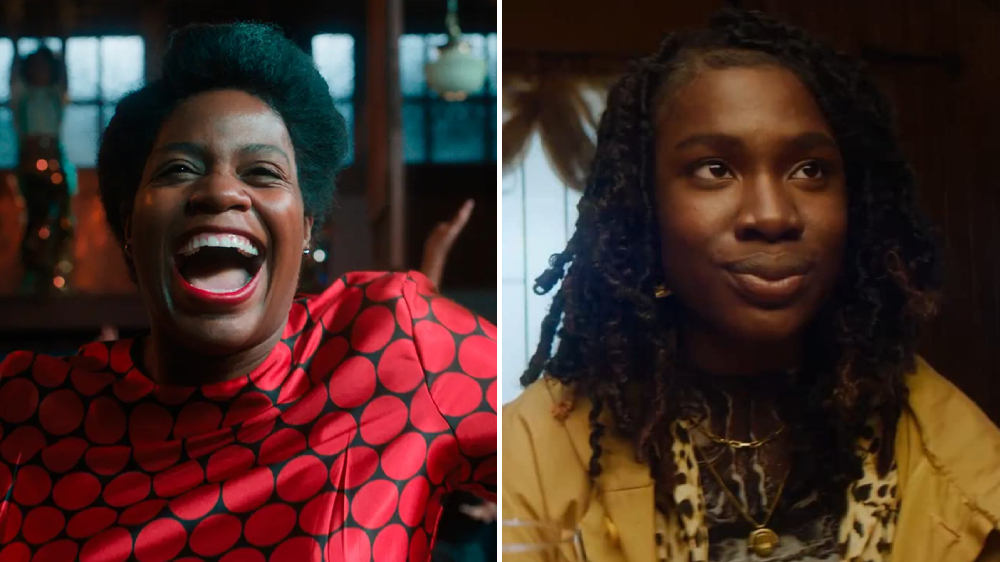
Despite efforts to increase diversity, no Black woman has won the BAFTA Best Actress award, with this year's nominees likely to continue the trend. Despite reforms, BAFTA's winners have remained predominantly white, sparking criticism and calls for change. While there has been some improvement in POC nominations, the issue of embracing diverse performers in the UK persists, highlighting the need for further progress.
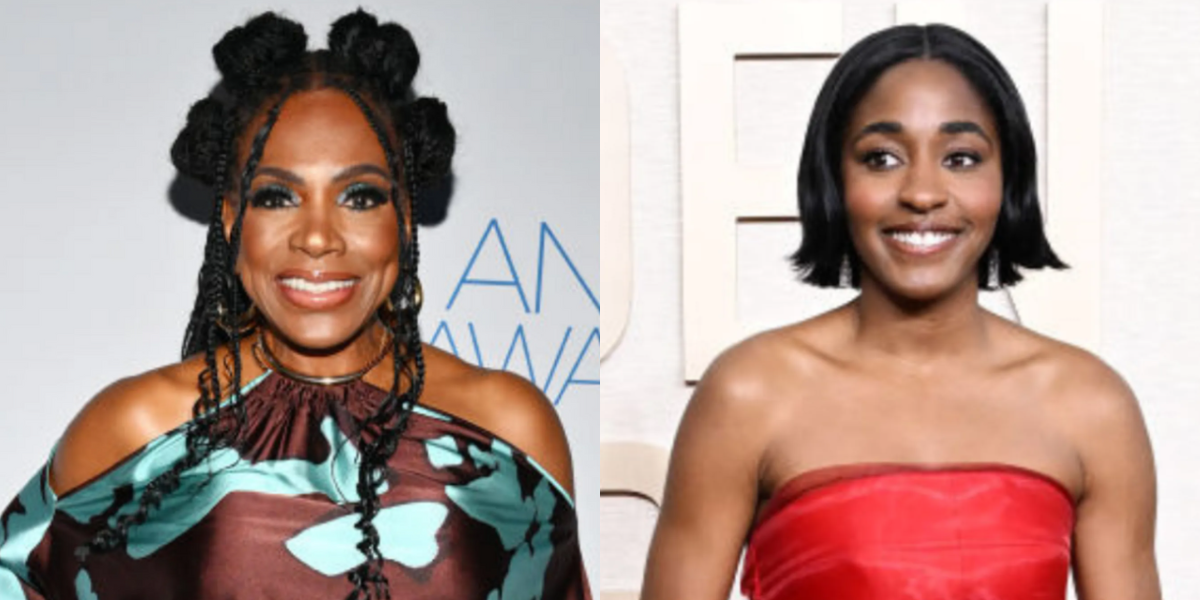
Sheryl Lee Ralph, the second Black woman to win an Emmy for Supporting Actress in a Comedy, expressed pride and joy for Ayo Edebiri, who became the third after winning the award. Edebiri graciously responded to Ralph's gesture, and both actors received love and support from many. Edebiri dedicated her win to her immigrant parents in her acceptance speech, while Ralph praised her on social media. Both actresses represent the strides made in acknowledging Black talent within the entertainment industry.
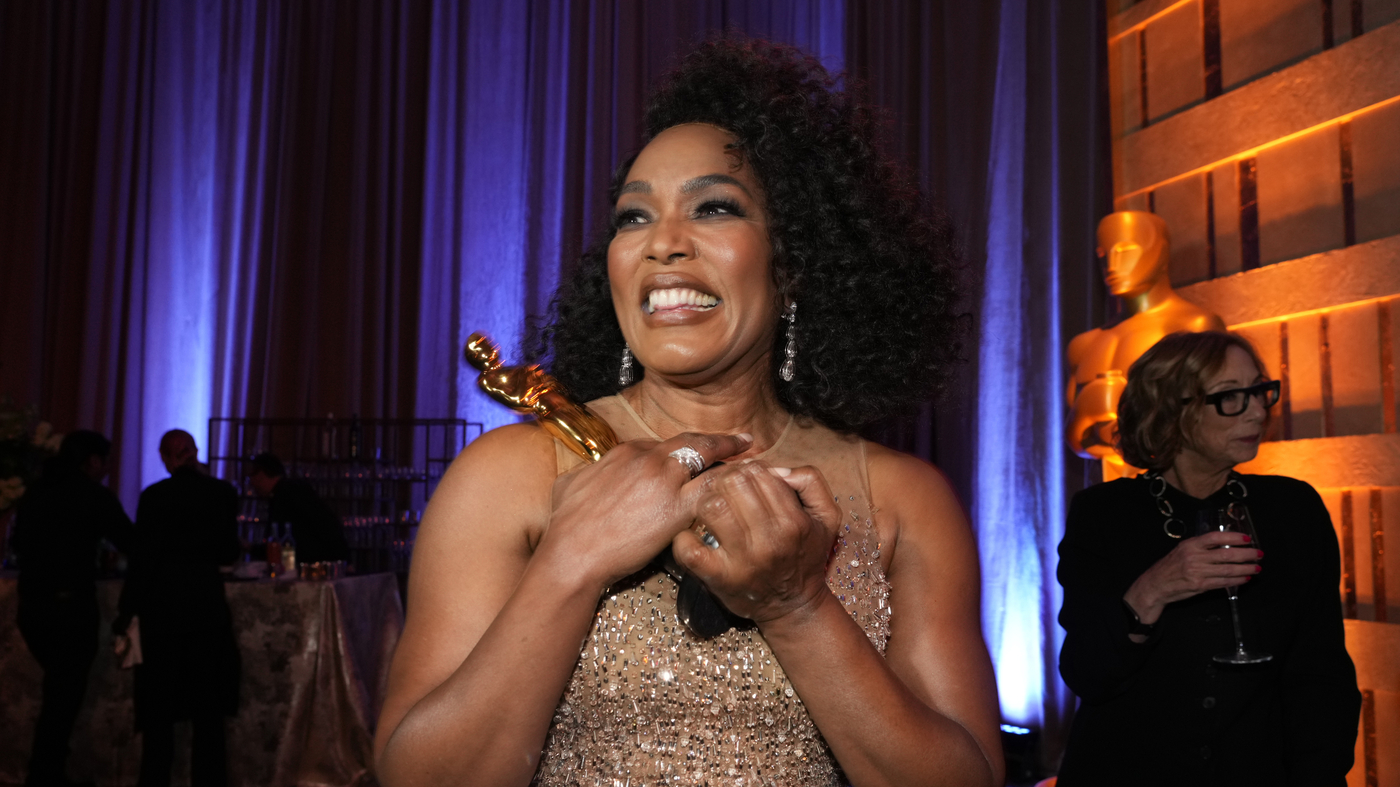
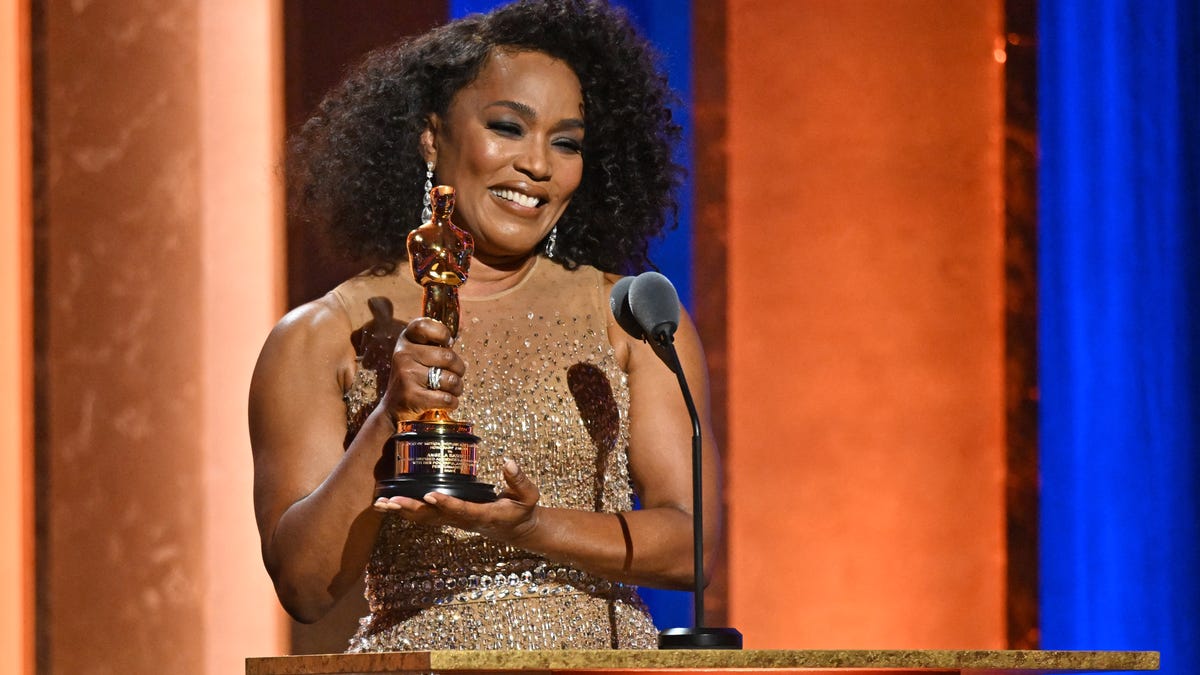
After 40 years as an actress and two Oscar nominations, Angela Bassett received an honorary Academy Award at the Governors Awards, expressing gratitude in her acceptance speech and acknowledging other Black actresses. Fans celebrated her win, and Bassett emphasized the need for the entertainment industry to embrace diversity and inclusivity.
Angela Bassett's emotional Oscars acceptance speech highlighted the historical significance of her win as a Black actress, paying tribute to past and present Black actresses and advocating for a more inclusive and equitable future in the film industry. She emphasized the need for representation, unity, and the celebration of diverse stories and perspectives, leaving a powerful message for generations to come.
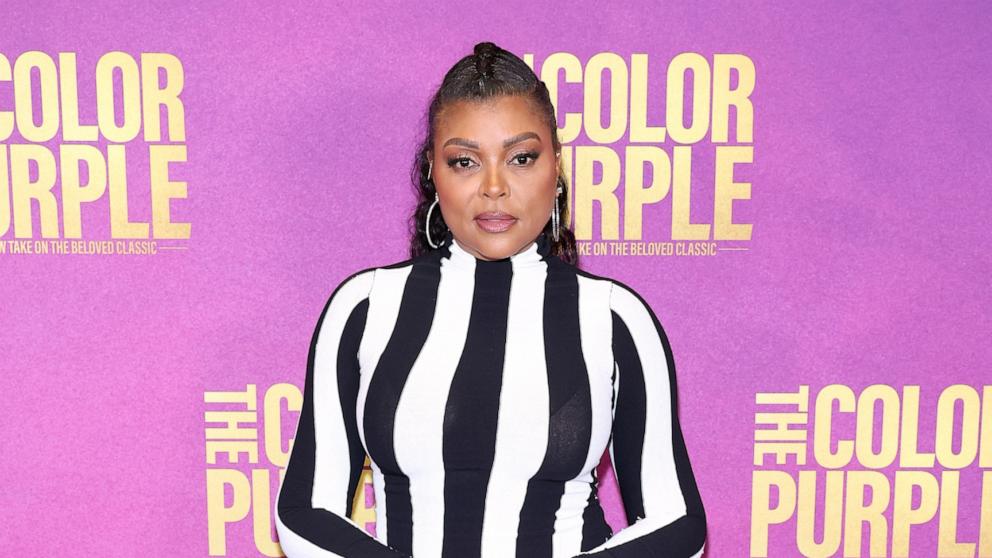
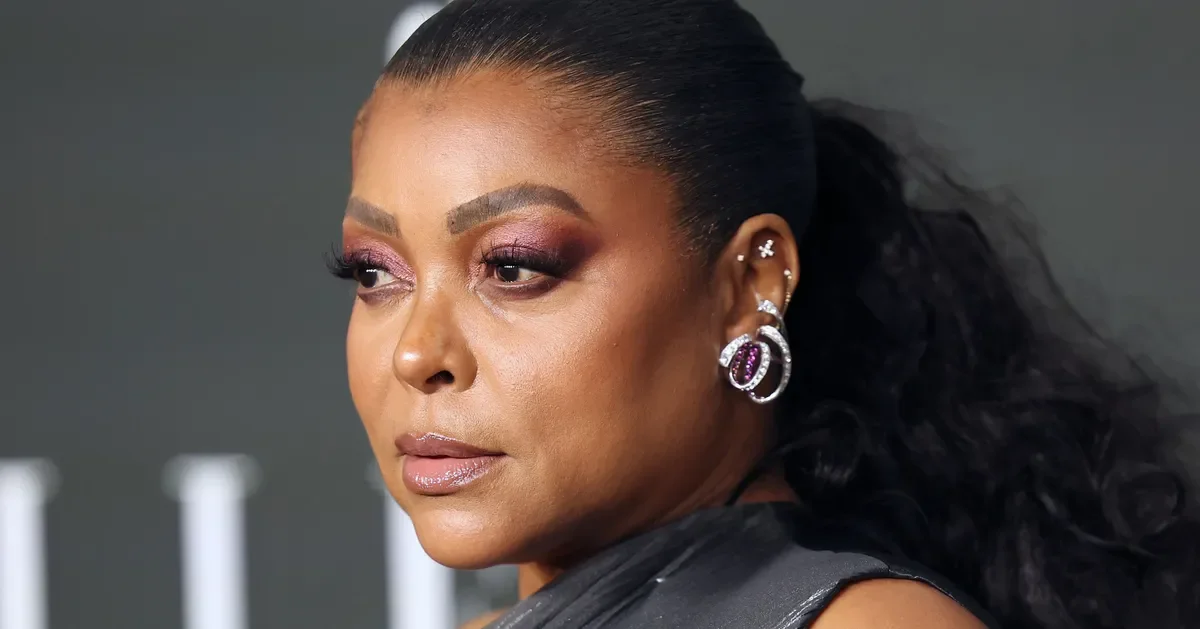
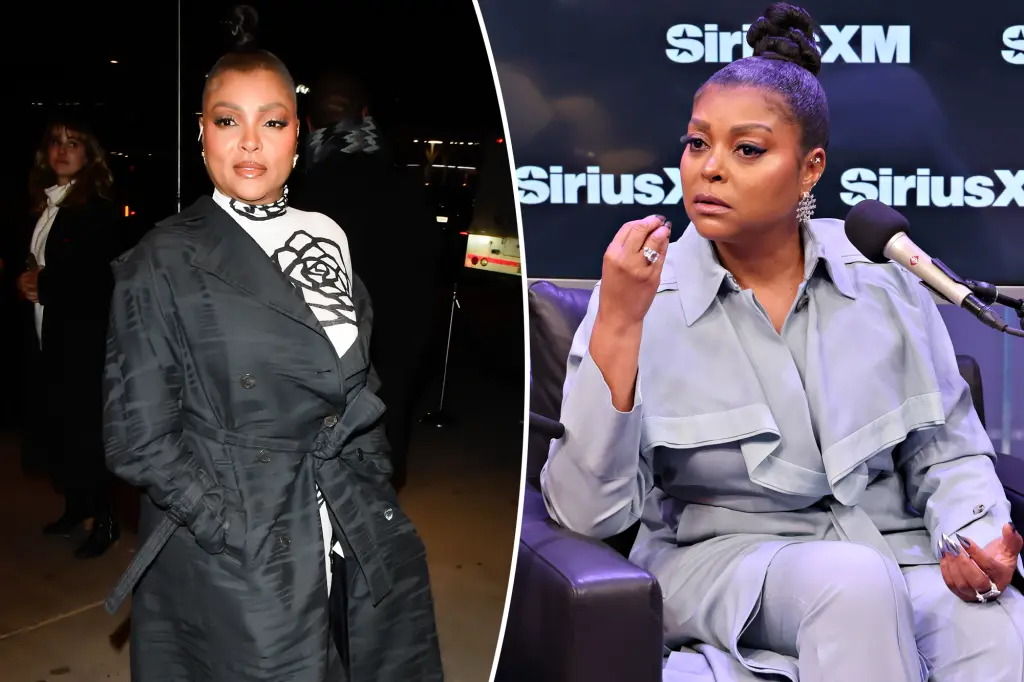
Taraji P. Henson expresses frustration over being underpaid as a Black actress, stating that she is tired of working hard and not receiving fair compensation. She highlights the financial challenges of her profession, including the significant portion of her earnings going to her team and taxes. Henson criticizes the lack of support from producers and the industry's tendency to undervalue Black actresses. Her comments resonate with colleagues and spark a conversation about the struggles faced by individuals in the entertainment industry.
Taraji P. Henson expressed her frustration with being consistently underpaid as a Black woman in Hollywood, stating that she has had to fight for fair compensation in every project. Despite contemplating quitting, she continues to work in the industry to pave the way for younger Black actresses. Henson tearfully discussed the constant devaluation she faces and the lack of support from studios during contract negotiations. Other Black actresses, including Gabrielle Union and Keke Palmer, voiced their support for Henson's statements. Despite the challenges, Henson finds strength in her other ventures outside of acting.
Taraji P. Henson breaks down in tears during a radio interview with Gayle King, discussing the unequal pay she receives as a black actress in Hollywood. Henson reveals that after paying taxes and her team, she estimates taking only about 20 percent of her paycheck to the bank. She expresses frustration with the industry's treatment of black women, stating that every time she achieves something, it's like starting from the bottom again during contract negotiations. Henson's emotional interview sparks support from fellow actress Gabrielle Union, who also speaks out about the pay disparity.