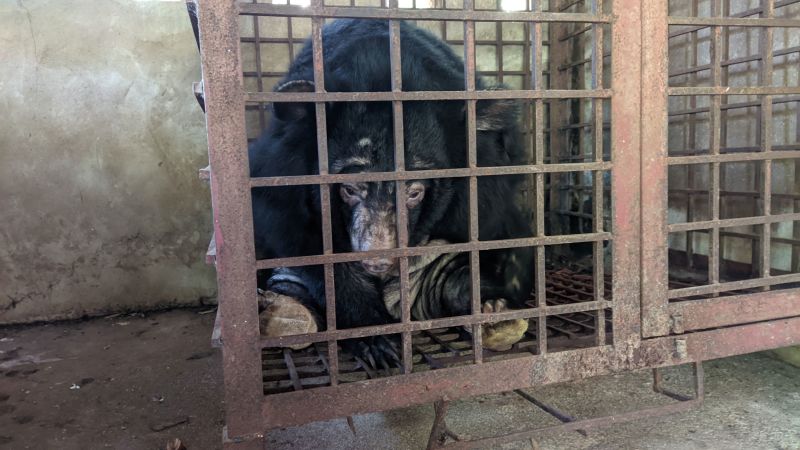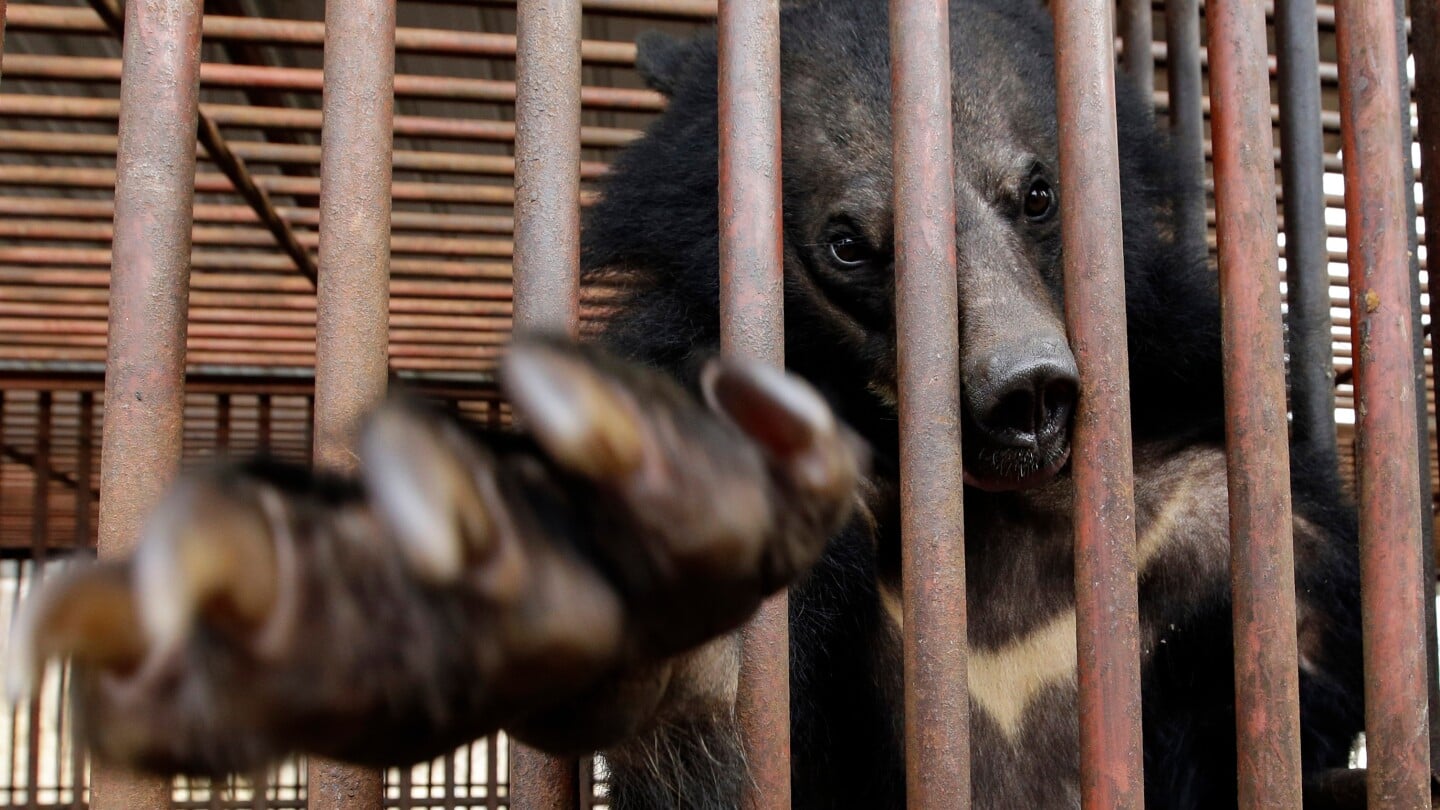
South Korea will officially end its bear bile farming industry starting January 1, 2026, in line with new animal protection laws, although about 200 bears remain in farms awaiting relocation or sanctuary placement amid ongoing disputes over compensation and sanctuary capacity.
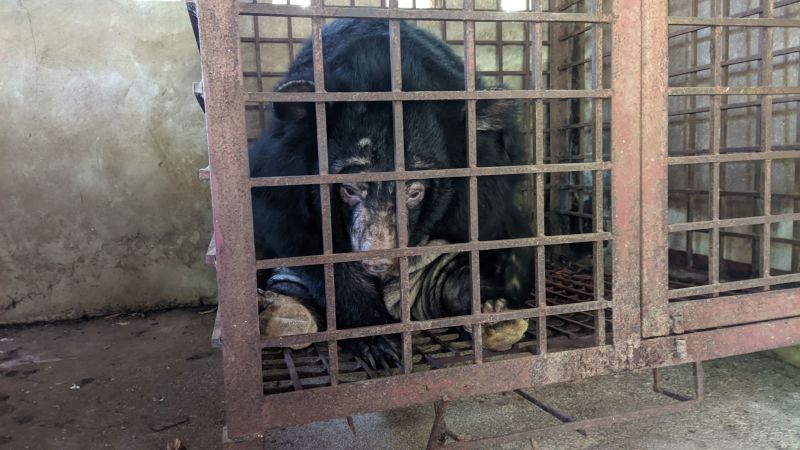
Activists are fighting to end the cruel and unsustainable practice of bear bile farming, where bears are kept captive and their bile is extracted for use in traditional medicines. While the trade of these products is forbidden in most Asian countries, it remains a lucrative industry in China, where domestic sales of bear bile remain legal. The practice involves invasive and painful techniques, and many bears rescued from bile farms show signs of extreme trauma. Despite efforts to eliminate bile farming, it remains a profitable business for farmers, and many consumers prefer the real thing.