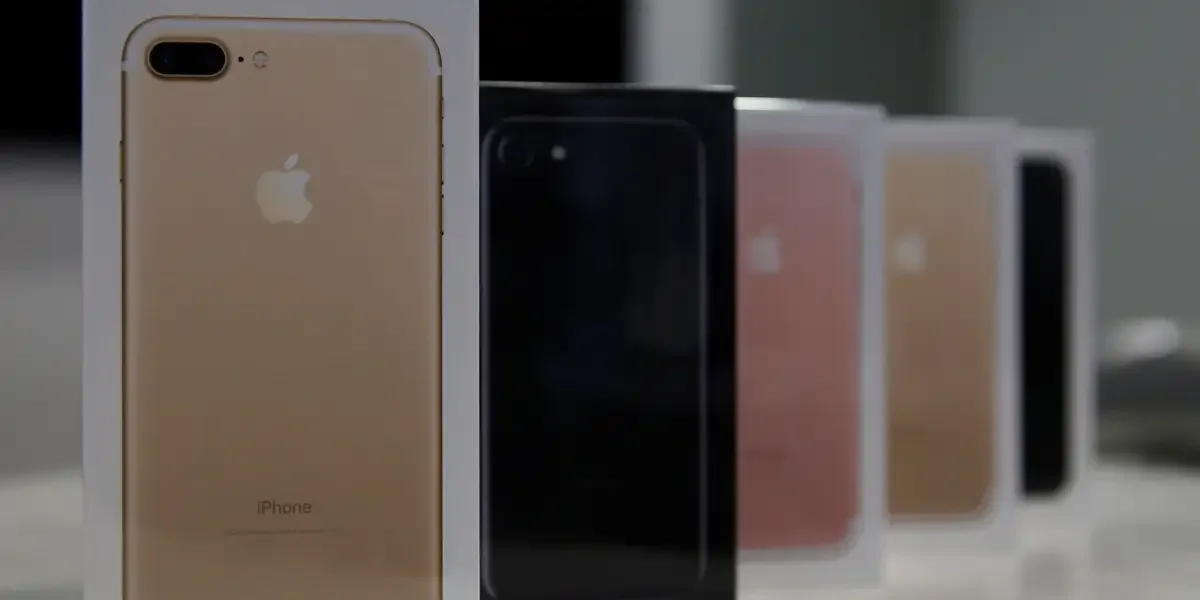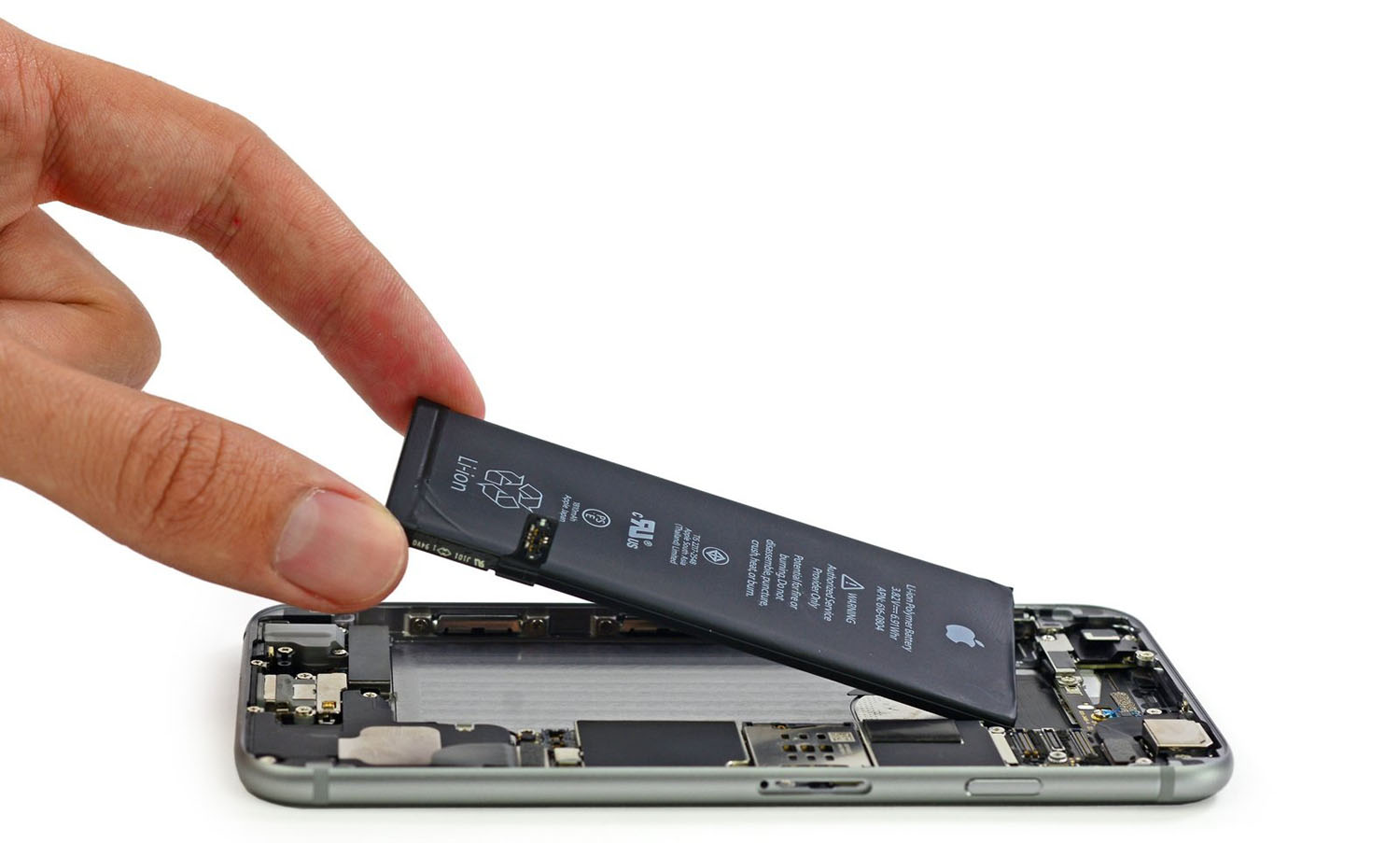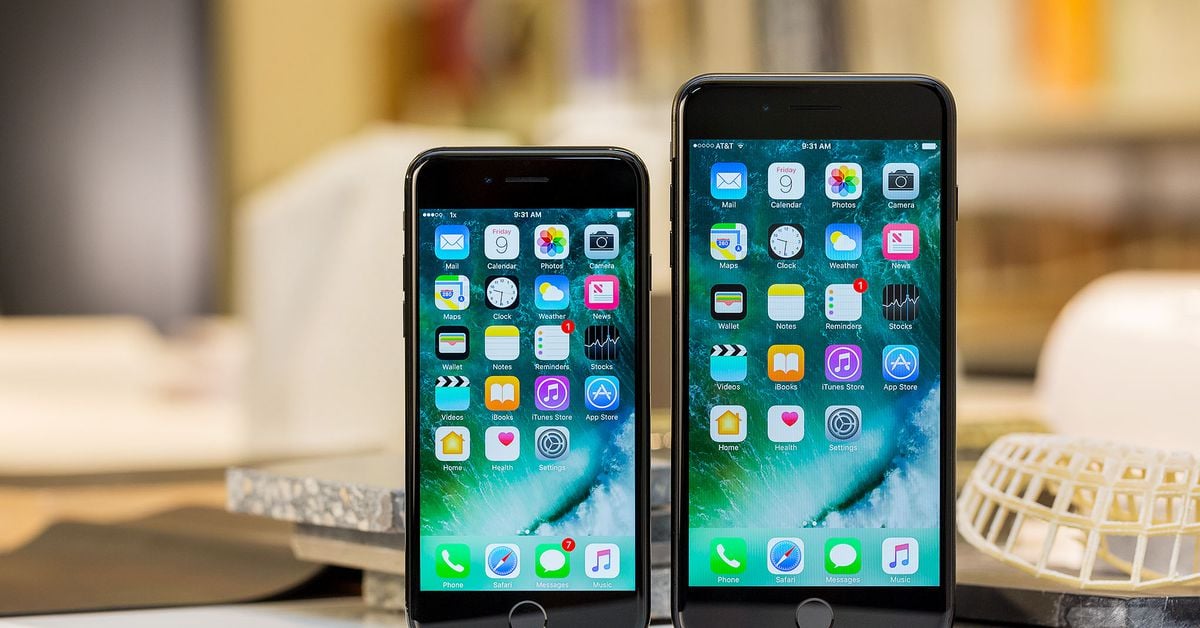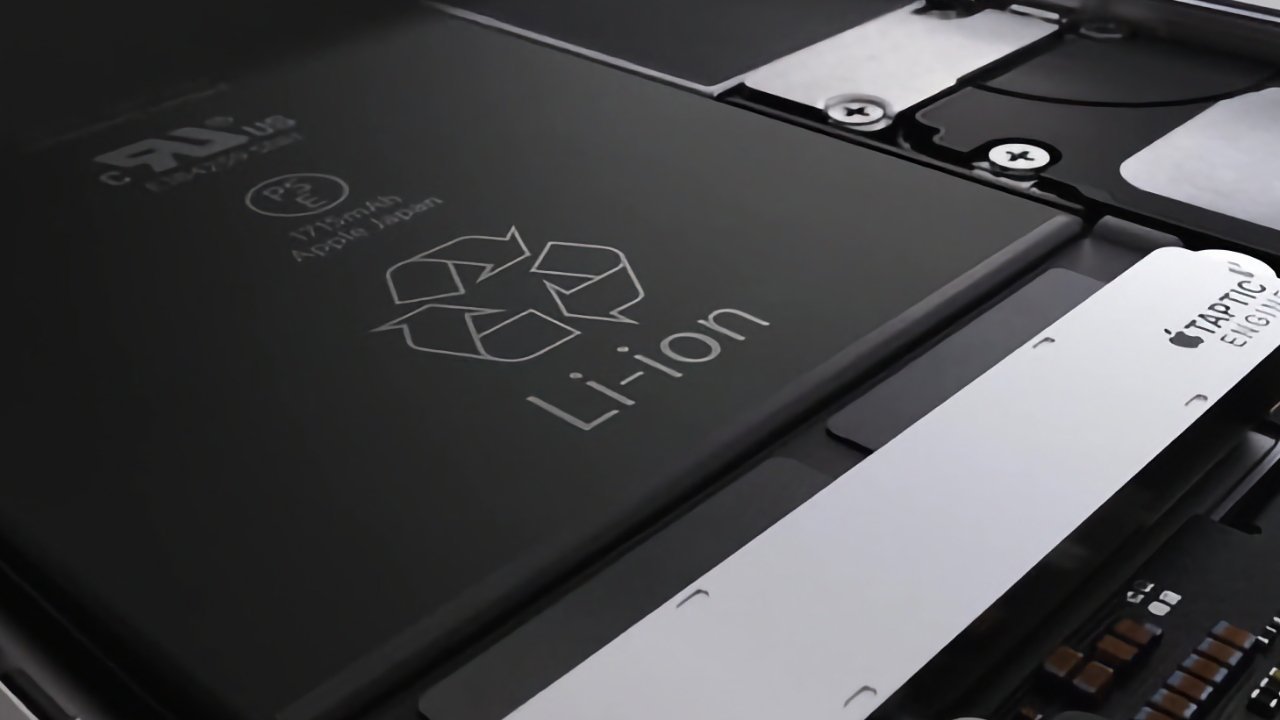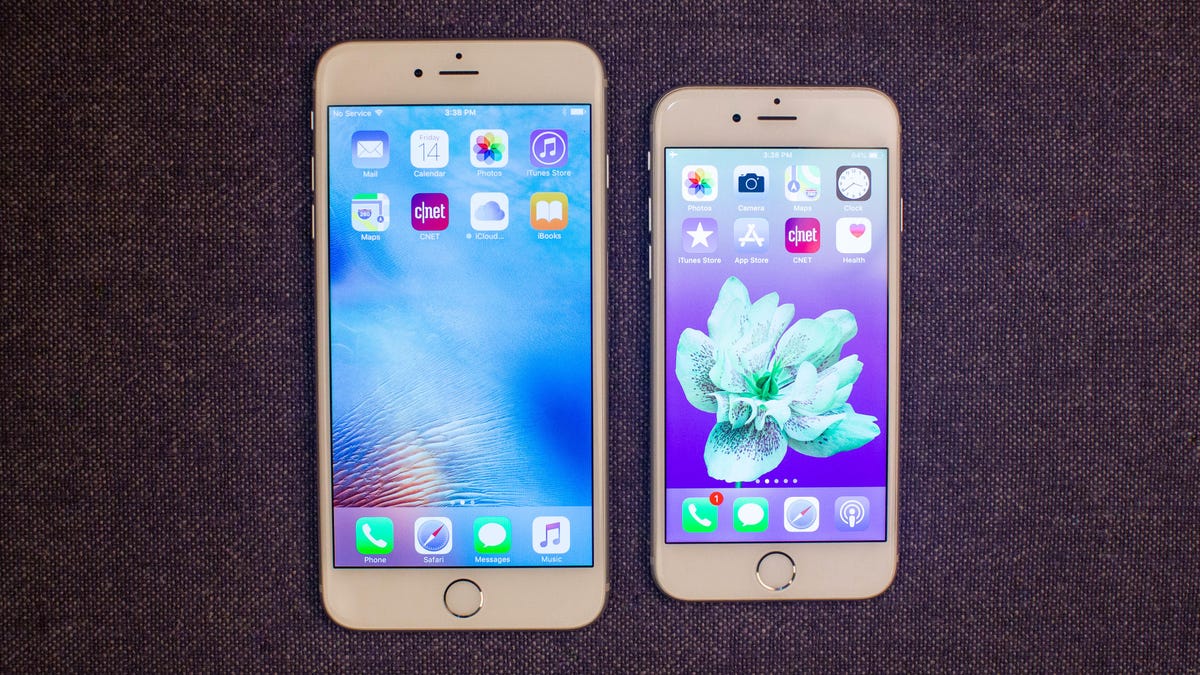
Apple has started sending out payments to iPhone owners who were part of the 2020 class-action lawsuit over the intentional slowing down of older iPhones. The company agreed to pay up to $500 million, with eligible class members receiving around $65 per eligible phone. The settlement covers iPhone 6, 6 Plus, 6S, 6S Plus, SE, 7, and 7 Plus models running specific iOS versions. The payouts were delayed due to legal appeals, but eligible recipients should now be receiving their payments.
Apple is sending payments to millions of iPhone users as part of a legal settlement over "batterygate," with payments ranging from $92.17 per claimant to a total of $310 million to $500 million. The lawsuit stemmed from claims that Apple intentionally slowed down older iPhones through software updates to prevent aging batteries from shutting down, with about 3.3 million iPhone users submitting claims out of an estimated 100 million eligible. Unfortunately, those who didn't submit a claim prior to the October 6, 2020, deadline are not eligible for payment, and the settlement money will appear as a direct deposit with the payment line "IN RE APPLE INC."
Apple has started sending out settlement payments to people impacted by the 2017 "batterygate" scandal, with approved claimants receiving around $92. The class action lawsuit alleged that Apple intentionally slowed down older iPhones via software updates, leading to performance issues. The settlement, which ranges from $310 to $500 million depending on the number of claims filed, required users to have had certain iPhone models running specific iOS versions in 2017 and experienced decreased speed and performance.
Apple has started sending out $92 payments to iPhone users as part of a settlement over the 'batterygate' scandal, where the company admitted to slowing down old iPhones without user notification. The settlement, totaling over $300 million, was eligible to owners of certain iPhone models, and while Apple denies any wrongdoing, the payments serve as compensation for the performance throttling that occurred due to software updates.
Apple has begun distributing payments to iPhone users who filed claims in the $500 million class action lawsuit settlement over the "Batterygate" scandal, where the company throttled iPhone performance without user consent. Eligible users in the U.S. who owned specific iPhone models running certain iOS versions before December 21, 2017, may receive payments. Following the controversy, Apple introduced the Battery Health feature and has implemented new settings in the iPhone 15 series to improve battery longevity.
Apple has started distributing $92.17 checks to claimants as part of the 'batterygate' class action settlement, following the 2017 controversy where the company slowed down iPhones with older batteries to prevent unexpected shutdowns. The settlement, agreed upon in 2020, compensates users who may have felt compelled to upgrade their devices prematurely. Affected models include the iPhone 6, 6 Plus, 6S, 6S Plus, 7, 7 Plus, and the original iPhone SE. Claimants who filed by October 6th, 2020, are now receiving payments.
Apple has begun issuing payments to iPhone owners affected by the "batterygate" issue, following a $500 million settlement of a U.S. class action lawsuit from 2020. Eligible U.S. residents who owned certain iPhone models and submitted claims by October 2020 are receiving $92.17 each. The lawsuit stemmed from Apple's implementation of a feature that throttled iPhone performance to prevent shutdowns due to aging batteries, a move that was not adequately communicated to users, leading to accusations of planned obsolescence. Apple apologized and reduced battery replacement costs in 2017, but continues to face legal challenges internationally.
Apple has begun distributing payments of approximately $92.17 to iPhone users as part of a $500 million settlement over the "batterygate" controversy, where the company was accused of intentionally slowing down older iPhones. The lawsuit settlement, agreed upon in March 2020, compensates consumers who filed claims for affected iPhone models. Although Apple denies wrongdoing, affected users are now receiving their settlements, with some reporting multiple payouts for multiple claims.
Apple has begun issuing settlement payments to eligible iPhone users as part of the "Batterygate" class action lawsuit, with individuals receiving $92.17 per claim. The lawsuit stemmed from Apple's undisclosed throttling of iPhone performance to manage chemically aged batteries and prevent unexpected shutdowns. Apple, while denying legal wrongdoing, agreed to the settlement to avoid protracted litigation. Affected models include certain iPhone 6, 6 Plus, 6s, 6s Plus, SE, 7, and 7 Plus devices.
Apple has agreed to pay up to $500 million to settle a class-action lawsuit over the "Batterygate" scandal, where the company intentionally slowed down older iPhones with degraded batteries. The affected models include iPhone 6, 6S, 7, and the original SE. The settlement will provide compensation to approximately 3 million customers who filed claims, with payouts ranging from $65 to $90 per person. Amazon's music streaming service is also increasing its price for Amazon Prime members, following a trend of streaming services raising prices. Additionally, a recent poll shows that nearly half of Americans support banning TikTok due to concerns over data privacy and potential Chinese government influence. Lastly, the Gadget Lab podcast discusses the impact of human-induced climate change and extreme heat on the planet.
Apple has agreed to pay between $310 million and $500 million to approximately 3 million iPhone users who experienced slowed performance on their older devices after software updates. The settlement comes after a class-action lawsuit was filed against Apple in 2017, accusing the company of intentionally slowing down iPhones with low-capacity batteries. Eligible users may receive around $65, depending on the number of approved claims, with payments expected to be made in the future. The settlement does not imply wrongdoing on Apple's part.
Apple's settlement payments for the 2017 "batterygate" class-action lawsuit are set to be distributed soon, following the dismissal of two appeal cases. The settlement requires Apple to pay a minimum of $310 million and up to $500 million to affected owners of certain iPhone models. The deadline to submit a claim has passed, but approved claimants can expect a payment of around $65. The lawsuit was filed over Apple's practice of slowing down devices with degraded batteries, which some saw as planned obsolescence.
Apple is facing a $2 billion lawsuit in the United Kingdom over its decision to throttle older iPhones as their battery health degraded. The lawsuit accuses Apple of "hiding defective batteries in millions of iPhones" by throttling the performance of those devices. Apple argues that the lawsuit is "baseless" and most iPhone batteries were not defective. The company has faced lawsuits around the world over the Batterygate controversy and has already paid settlements in the US.