
Generative AI's rapid evolution is forcing security leaders to update their playbooks quickly, as new threats like autonomous attacks and agent manipulation emerge, requiring faster and riskier security decisions. Major AI models now pose sophisticated risks, prompting the development of new security frameworks, but many existing practices remain relevant. The cybersecurity community is adapting, with some professionals more comfortable with AI tools, which could offer an advantage in defending against evolving threats.
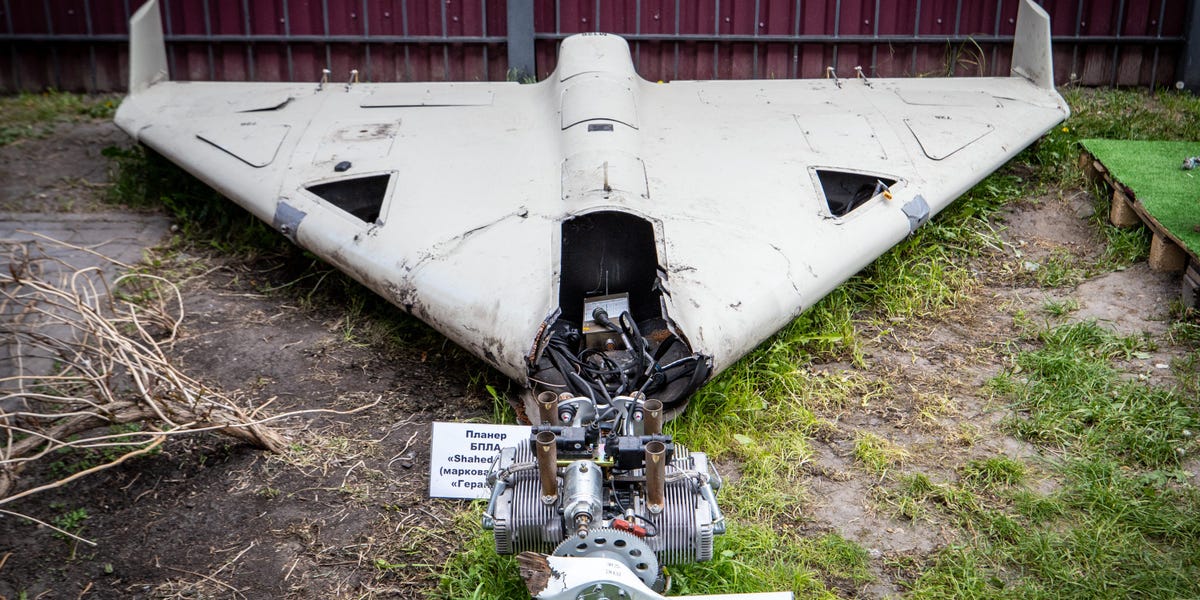
Leaked documents reveal that Russia is seeking to enhance its exploding drone capabilities, with plans to domestically manufacture 6,000 drones by 2025. The country is exploring a deadlier variant of Iran's Shahed-136 drones, capable of autonomous and coordinated attacks, potentially utilizing artificial intelligence. These explosive-laden drones, which Russia has been using in Ukraine, operate as loitering munitions and have the potential to cause significant damage when deployed in swarms. The development of a more advanced UAV force would allow Russia to supplement its limited precision guided munitions and increase its ability to strike behind enemy lines.