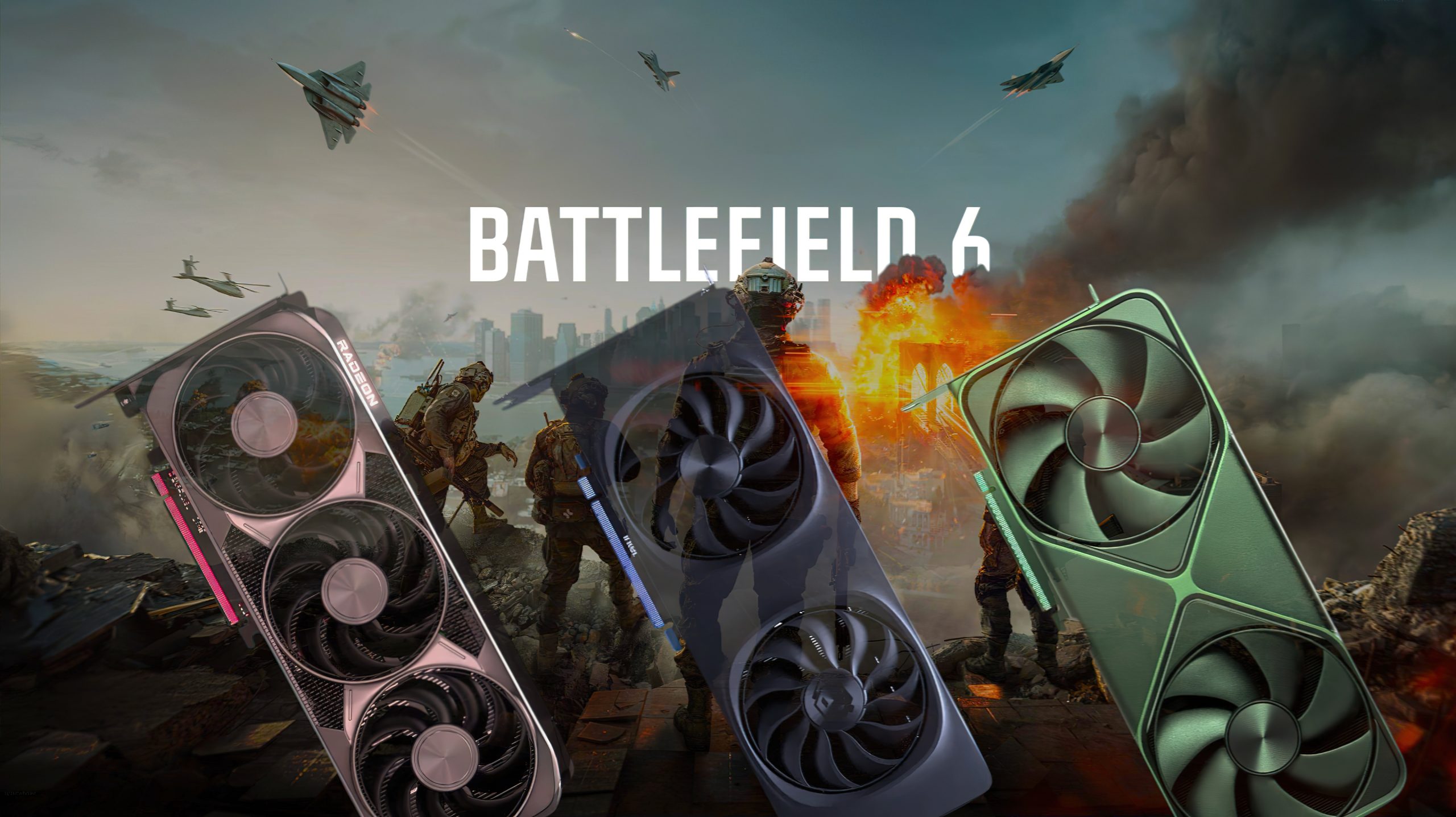
Battlefield 6 will support all major upscaling technologies—NVIDIA DLSS, AMD FSR, and Intel XeSS—on PC at launch, enhancing graphics performance and quality across various hardware platforms, with specific support details for each technology outlined.
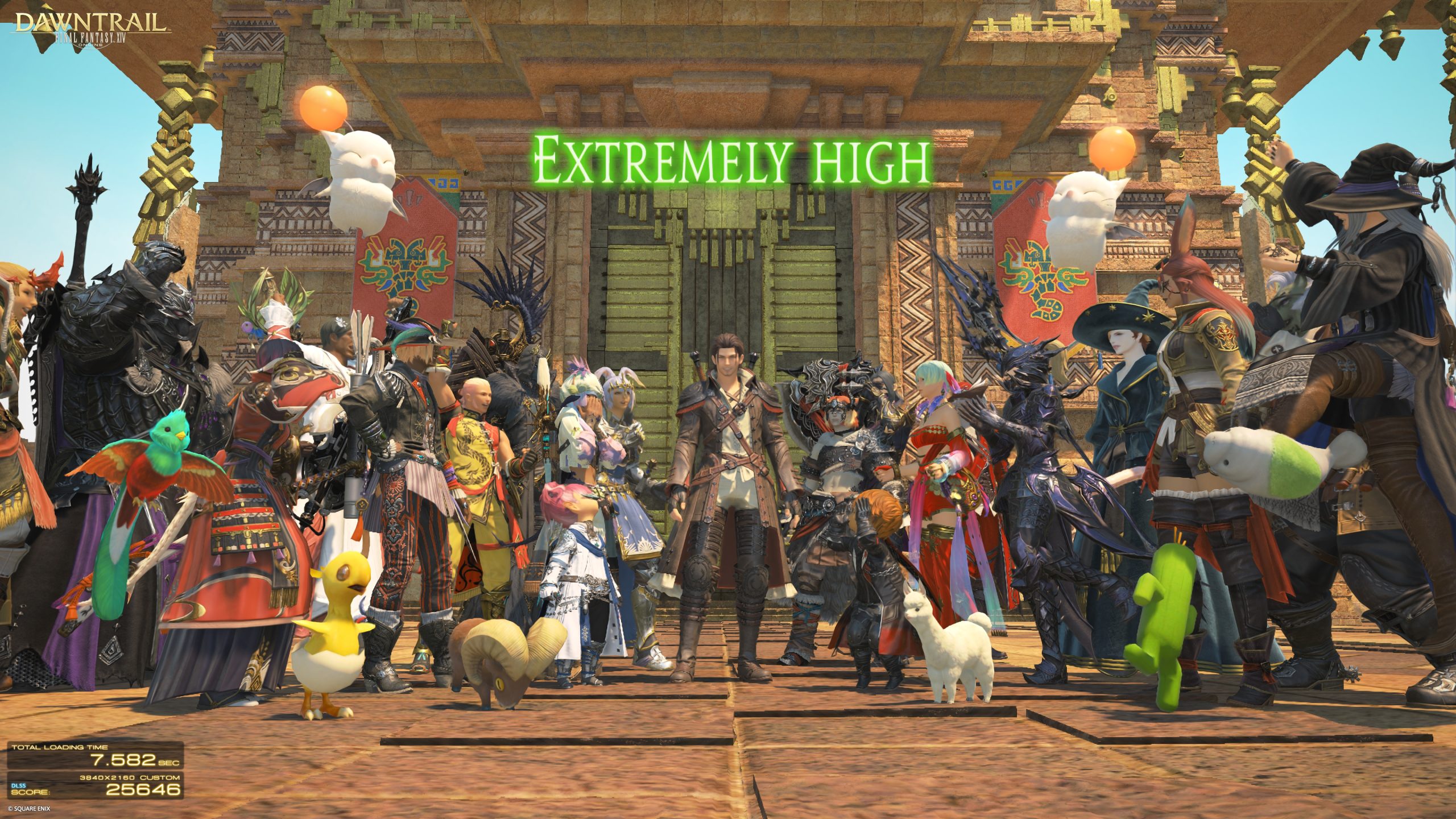
Square Enix released the Final Fantasy XIV: Dawntrail benchmark, showcasing graphics improvements and the addition of AMD FSR 1.0 and NVIDIA DLSS 2.0. The game now supports dynamic interaction with grass, denser foliage, improved textures, and enhanced character models. A new anti-aliasing option called TSCMAA has been added, but it cannot be used with DLSS and FSR. Users can set DLSS to "Always On" with a frame rate threshold setting. The expansion will be released on July 2 for various platforms.
DirectSR is not a rival to DLSS/FSR/XeSS, but rather an API that will enable game developers to implement all three upscaling techniques through a single code path. Microsoft will showcase DirectSR at GDC 2024 and make it available soon in the Agility SDK as a public preview for developers to test and provide feedback. Additionally, Microsoft will introduce an AI-upscaling tech in Windows 11, potentially allowing PC gamers to enable it for all games.
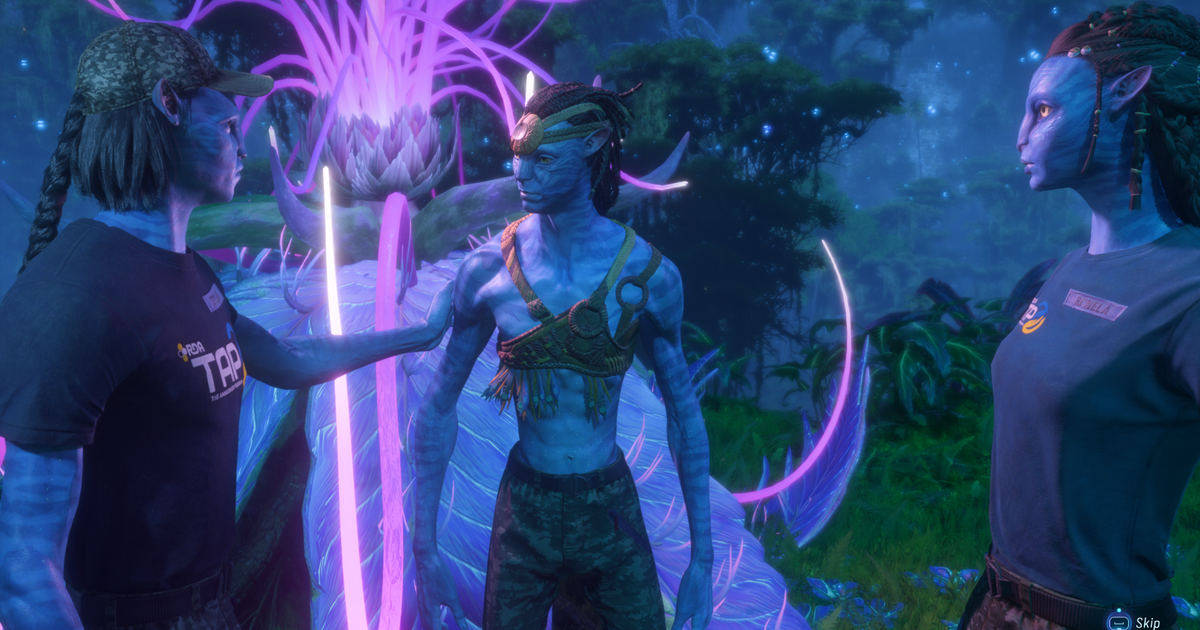
Ubisoft's Avatar: Frontiers of Pandora offers stunning visuals but comes with steep hardware requirements. The game demands a minimum of a GTX 1070 GPU and recommends modern CPUs like the AMD Ryzen 5 5600X or Intel Core i5-11600K. DLSS and FSR upscaling options can significantly improve performance, with DLSS providing sharper visuals and FSR offering smoother gameplay. Adjusting individual settings, such as motion blur, shadow quality, and reflections, can further enhance performance without sacrificing too much visual fidelity. Overall, the game's PC performance is stable, but players may need to optimize settings to achieve desired framerates.