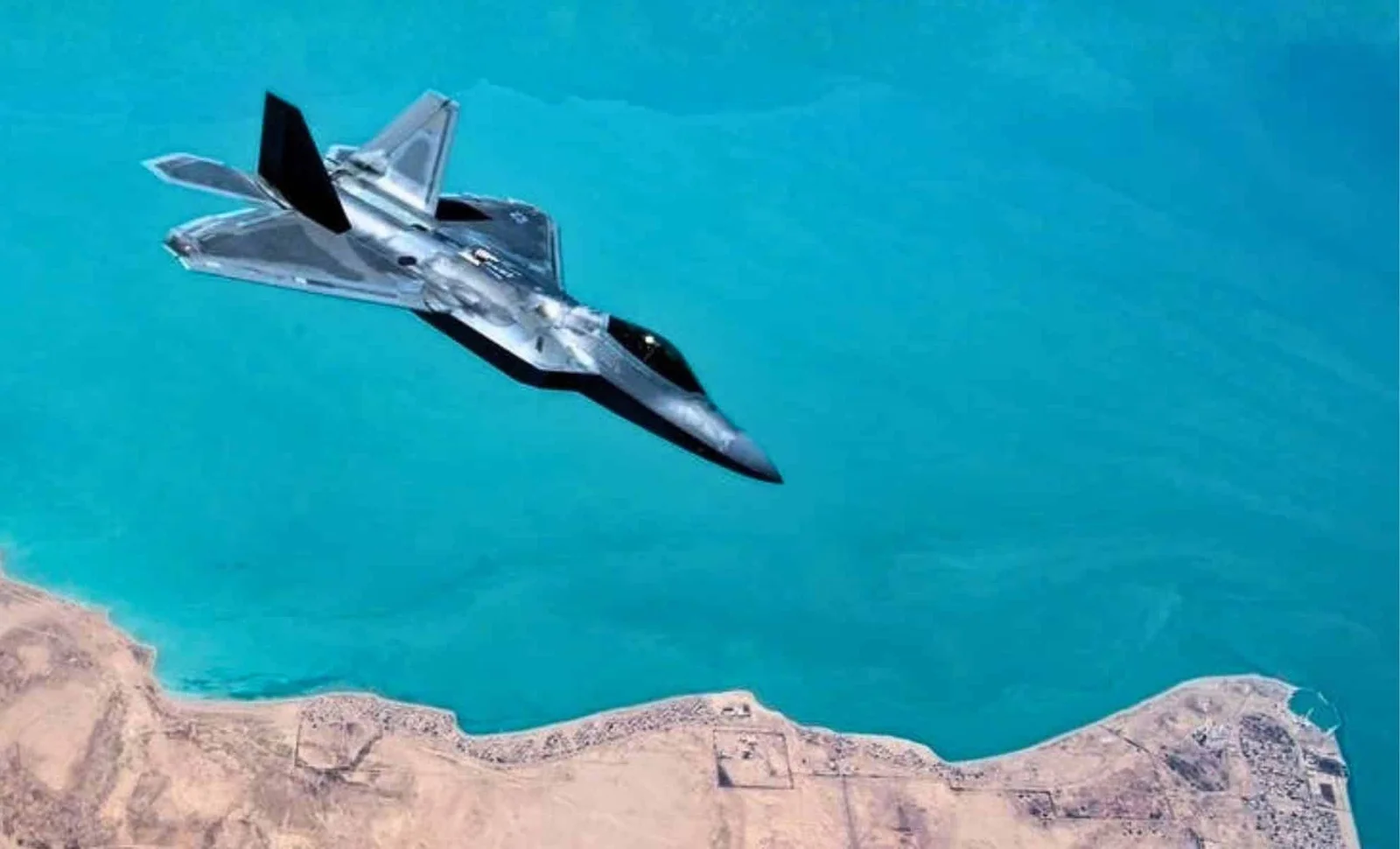
Some personnel at Al Udeid Air Base in Qatar were advised to evacuate after an Iranian official referenced a prior attack, signaling heightened tensions between the United States and Iran.
The article outlines potential U.S. options if Trump decides to intervene in Iran amid protests, focusing on limited air strikes and possible leadership-targeted actions rather than a full-scale invasion. It cites Trump’s posts promising help for Iranian protesters and White House signals that diplomacy remains primary but force is on the table. It notes a reduced U.S. regional footprint, with forces moved away from the Mediterranean and toward the Caribbean, while Al Udeid Air Base in Qatar remains a key hub and defenses are adjusted. Experts say a ground invasion is unlikely and decapitating Iran’s leadership would risk strong Iranian retaliation and a dangerous power vacuum.
President Trump reportedly authorized Iran to attack a U.S. base in Qatar, which was subsequently defended by U.S. and Qatari forces amid a missile assault, highlighting contrasting narratives from Trump and military officials about the incident's significance and the defense efforts.
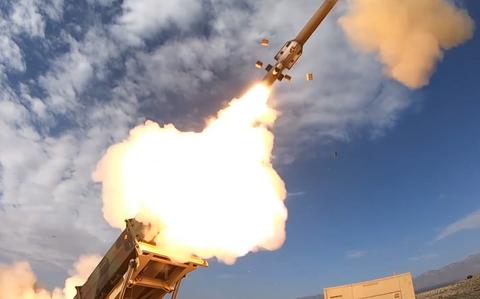
During a recent Iranian missile barrage at Al Udeid Air Base in Qatar, 44 U.S. soldiers remained to intercept the attack with Patriot missile systems, succeeding in defending the base with the largest Patriot engagement in U.S. military history, amid ongoing tensions following U.S. strikes on Iran's nuclear sites.