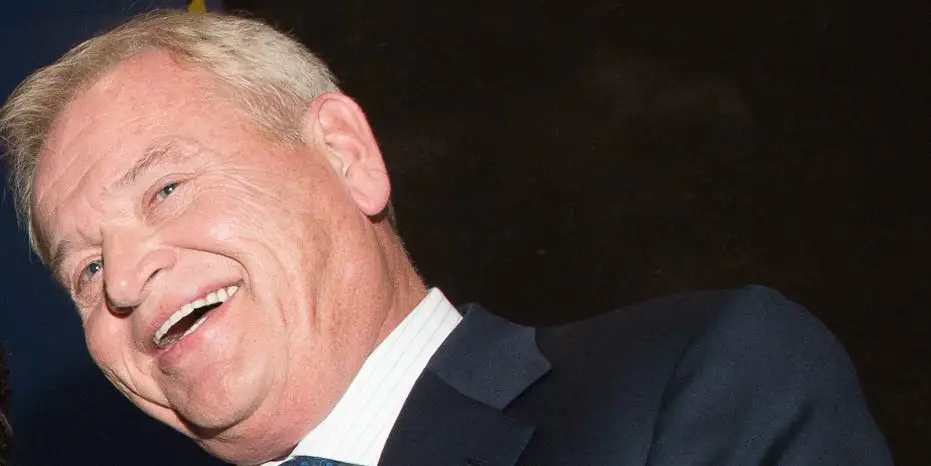
Omnicom's CEO John Wren discusses the company's $9 billion acquisition of IPG, emphasizing how the merger enhances scale and agility, and highlights their AI-driven strategy to improve efficiency and client outcomes, despite industry challenges and job cuts.
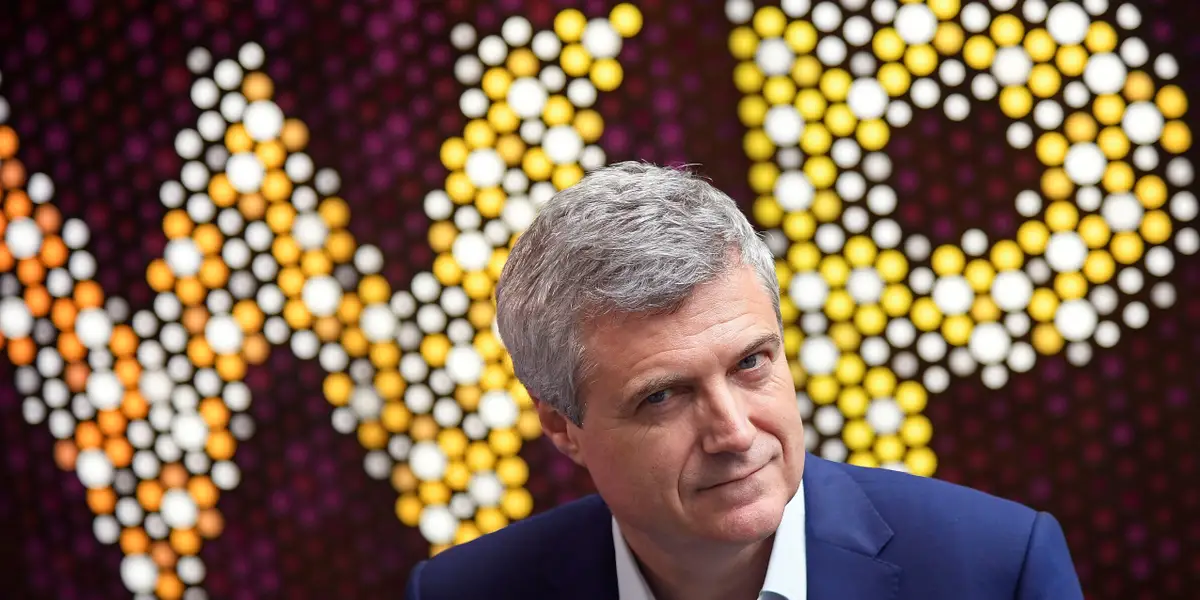
The Cannes Lions 2025 festival highlights significant shifts in the advertising industry, including agency consolidations, the rise of retail media, and the increasing influence of AI and data-driven marketing, amid ongoing industry upheaval and changing consumer media habits.
WPP CEO Mark Read is stepping down after seven years amid industry upheaval driven by AI and tech shifts, with WPP restructuring and facing revenue challenges, signaling a potential end of the traditional Madison Avenue advertising model.
Coign, a conservative credit card company, launched the first fully AI-generated national TV commercial, highlighting the potential for AI to significantly disrupt the advertising industry by enabling low-cost, hyper-realistic content production, with implications for Hollywood and political campaigns.
Michael Kassan, the founder of MediaLink, has alleged in an arbitration filing that UTA undermined his business after acquiring it for $125 million, leading to his resignation. UTA, in turn, claims to have fired Kassan due to misappropriation of company funds and is preparing to take legal action against him. The dispute has put the future of MediaLink, a consultancy serving the technology, media, entertainment, and advertising sectors, in question. Kassan, known for his extensive industry connections, has a history of legal and professional challenges but has remained a prominent figure in the advertising business.
TD Cowen analyst John Blackledge has upgraded the stock of Meta Platforms Inc., the parent company of Facebook, citing several reasons for further share upside. Blackledge expects consensus expectations for the company to increase based on conversations with those in the advertising industry, noting an acceleration in spending on Meta's platforms, particularly Instagram. He also highlights the potential revenue growth from the new ad format for short-form Reels content and the possibility of cost cuts. The upgrade comes ahead of Meta's second-quarter earnings report.
The advertising industry is seeking refunds from YouTube for skippable ads that were not viewed in their entirety, as advertisers argue that they should not have to pay for ads that users choose to skip. Advertisers are pushing for greater transparency and accountability in digital advertising, and are calling for platforms like YouTube to provide more accurate metrics on ad viewability. This move comes as advertisers are increasingly scrutinizing their digital ad spending and seeking ways to maximize their return on investment.