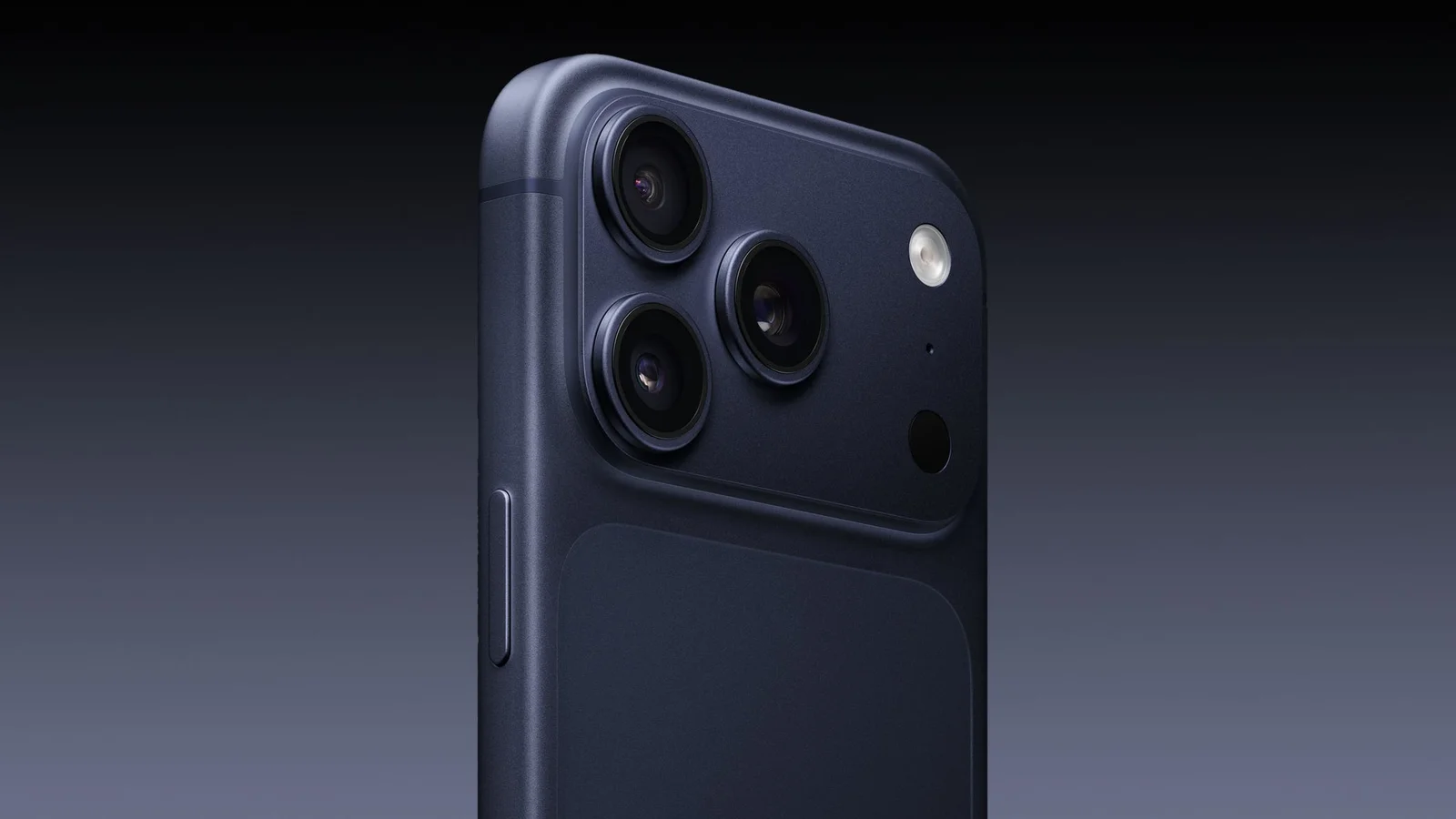
iOS 26.1 Launches Soon with Four New Features and Nostalgic Updates
iOS 26.1 introduces a new implementation of a feature from 2007, along with updates related to privacy and ad tracking, reflecting Apple's ongoing software enhancements.
All articles tagged with #ad tracking

iOS 26.1 introduces a new implementation of a feature from 2007, along with updates related to privacy and ad tracking, reflecting Apple's ongoing software enhancements.

Google has quietly discontinued its Privacy Sandbox project, which aimed to eliminate third-party cookies in Chrome and enhance user privacy through on-device data processing. Despite initial progress and industry anticipation, low adoption and shifting priorities have led Google to retire the initiative, signaling a setback in the move towards a cookie-free internet and maintaining the status quo of user tracking for advertising.

Most smart TVs use automatic content recognition (ACR) to track viewing habits for targeted advertising, raising privacy concerns. The article explains how ACR works, its implications, and provides step-by-step instructions for turning off ACR on major TV brands to protect user privacy.

Google has announced plans to kill third-party cookies in the second half of 2024, almost four years after Firefox and Safari disabled them. Google's alternative user-tracking ad system, the "Privacy Sandbox," has launched in Chrome, allowing the company to secure its ad business before phasing out the previous form of ad tracking. The rollout will begin with tests in January 2023 and is subject to addressing competition concerns. Google's delayed approach is seen as a responsible move to protect its business model, and the company believes web admins should be prepared for the change.
Google has introduced its new ad-tracking API called Topics API, which aims to provide a more private way for advertisers to target users. However, users can disable the ad-tracking system by going to Settings > Privacy and Security > Ad privacy options in Google Chrome or by typing chrome://settings/adPrivacy in the address bar. There are three categories within the tracking system - Ad topics, Site-suggest ads, and Ad measurement - and users can toggle them on or off based on their preferences. Disabling these categories will block Google's Topics API, but it won't stop tracking altogether as other tracking methods are still used by websites.

Google's new Topics API, part of its Privacy Sandbox, aims to replace third-party cookies by allowing browsers to share user interests with third parties while preserving privacy. If you're concerned about sharing this information, you can easily disable it in Chrome's settings under Ad privacy. While this method is not foolproof, it provides a starting point for protecting your privacy online. Alternatively, you can explore more privacy-centric browsers like DuckDuckGo and Brave.