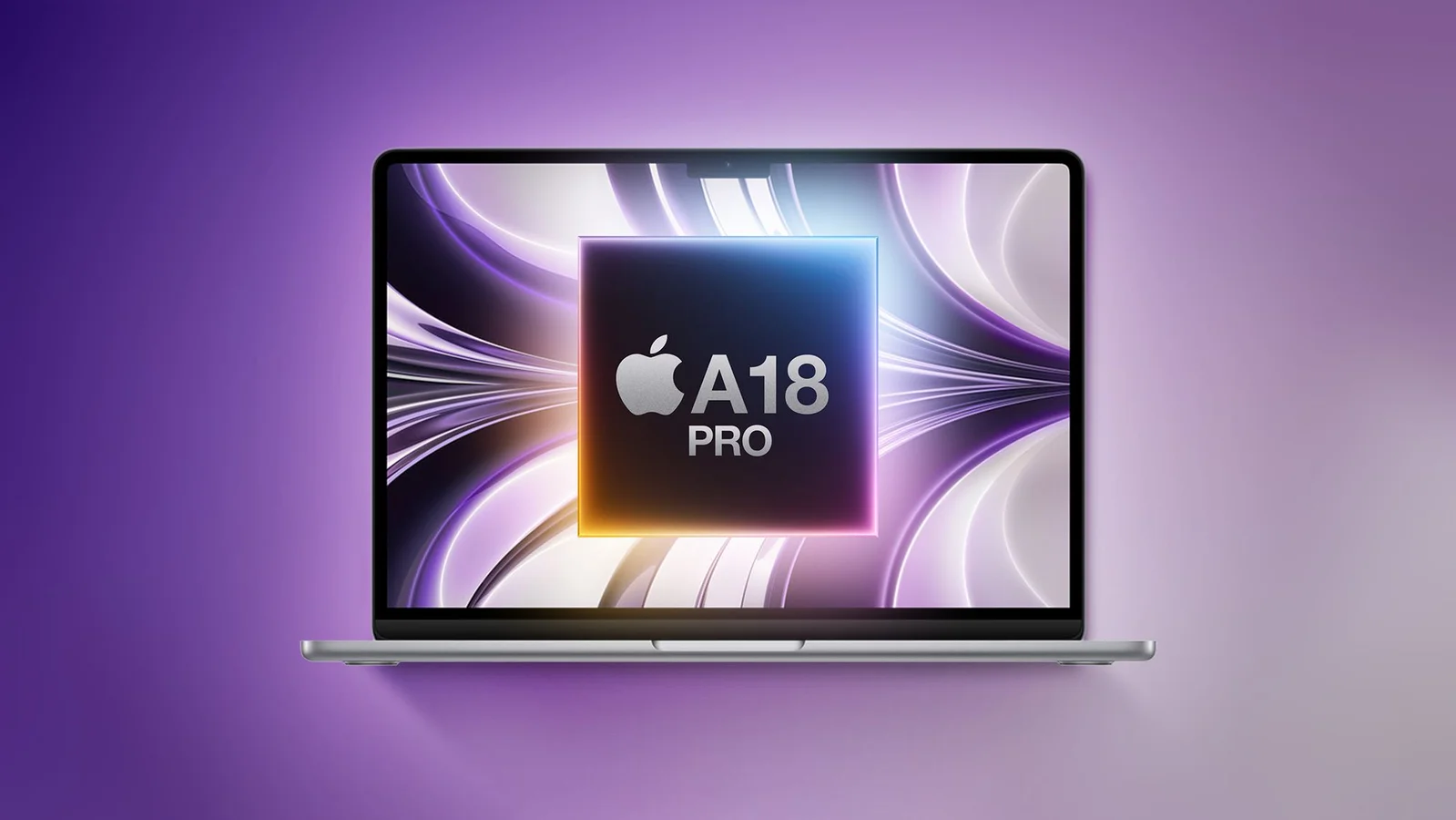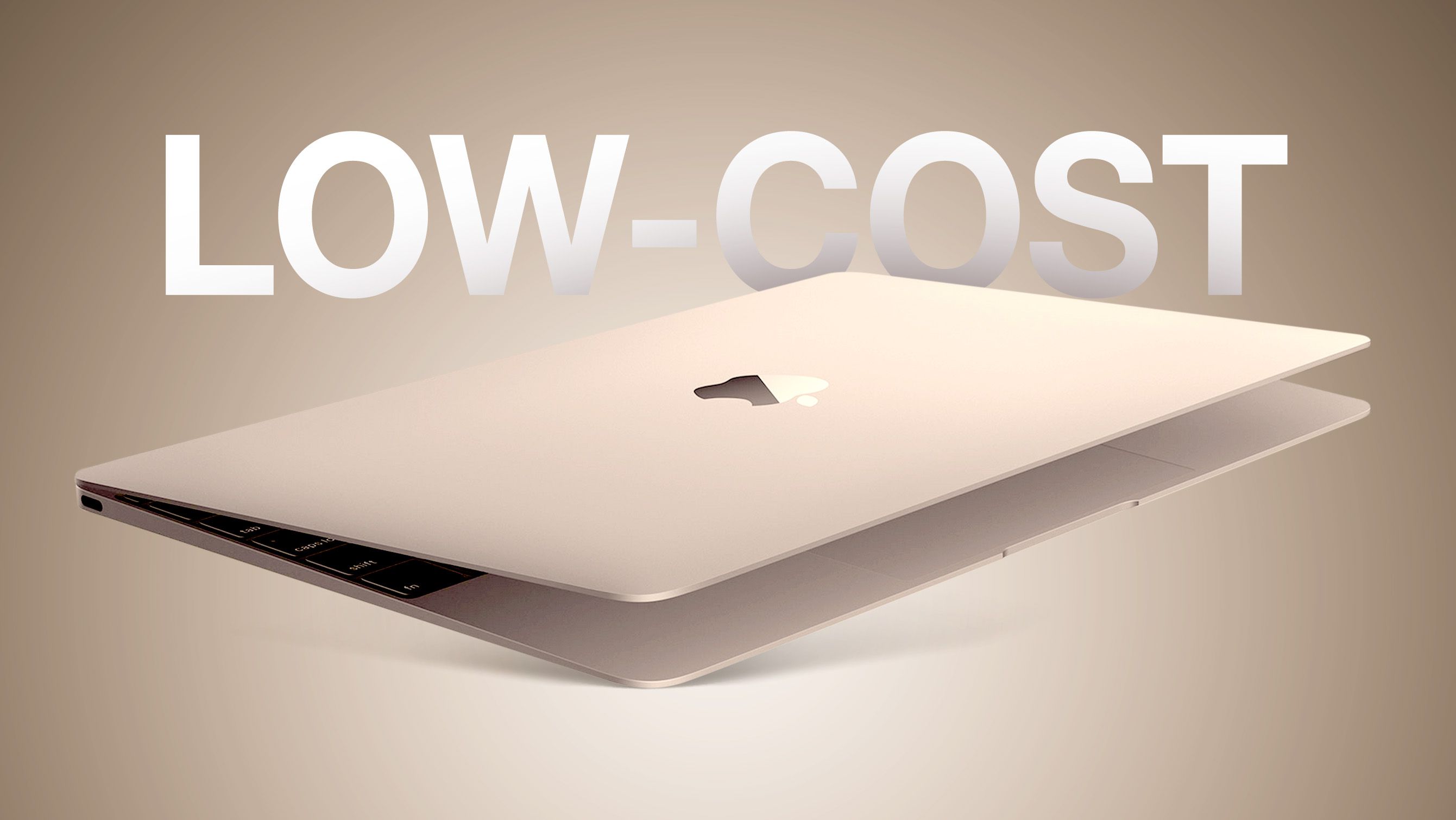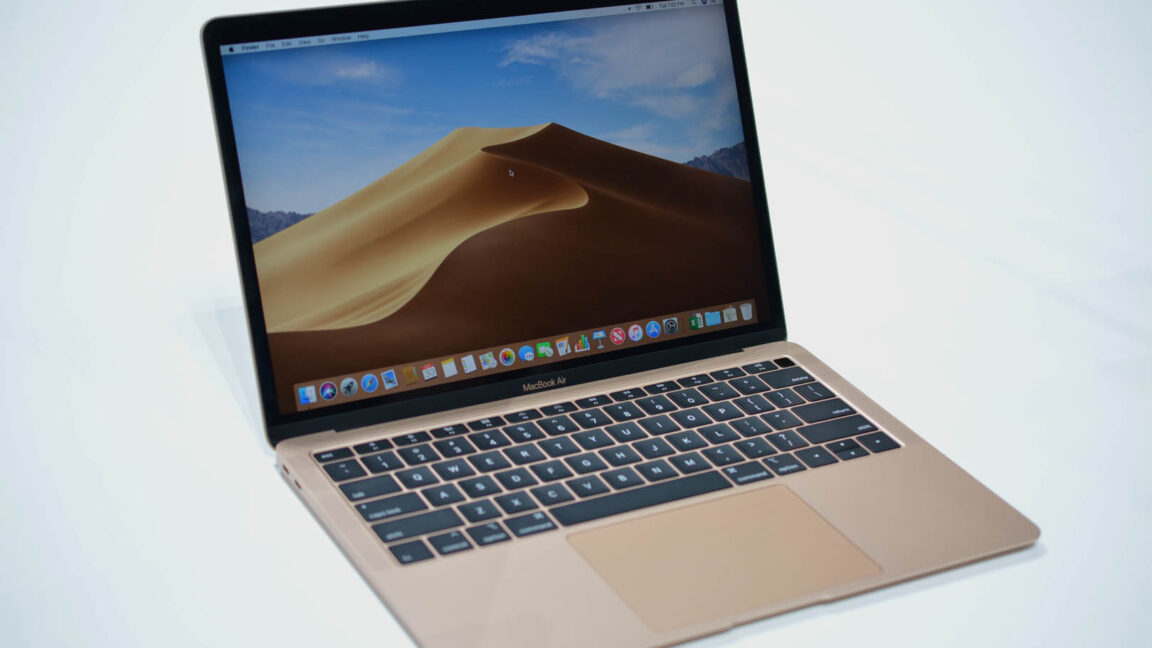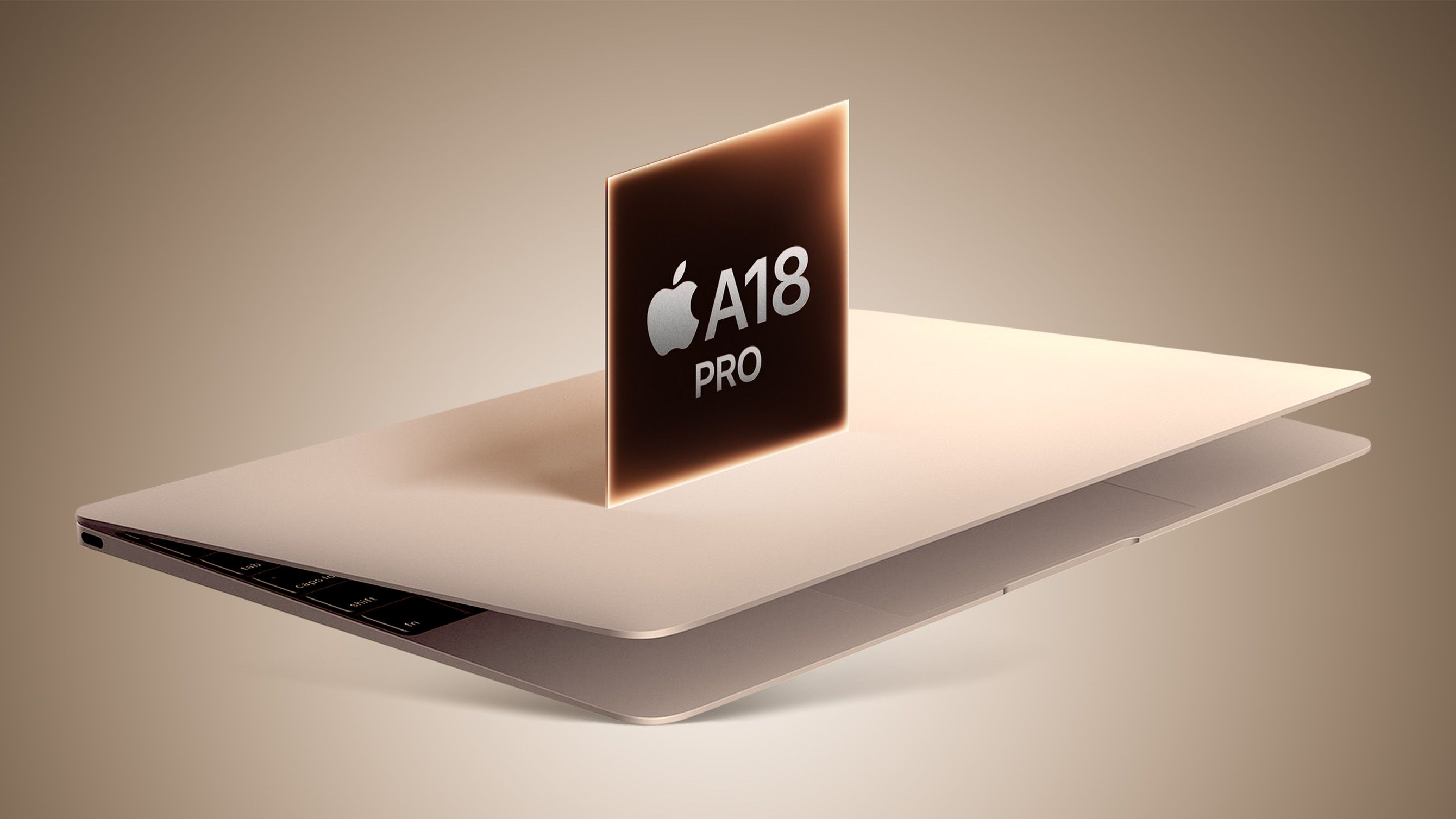
Apple plans to release a budget-friendly 13-inch MacBook Pro in 2026 featuring the A18 Pro chip, with a design similar to the MacBook Air, a standard LCD display, and a price well below $1,000, targeting students and budget-conscious consumers.
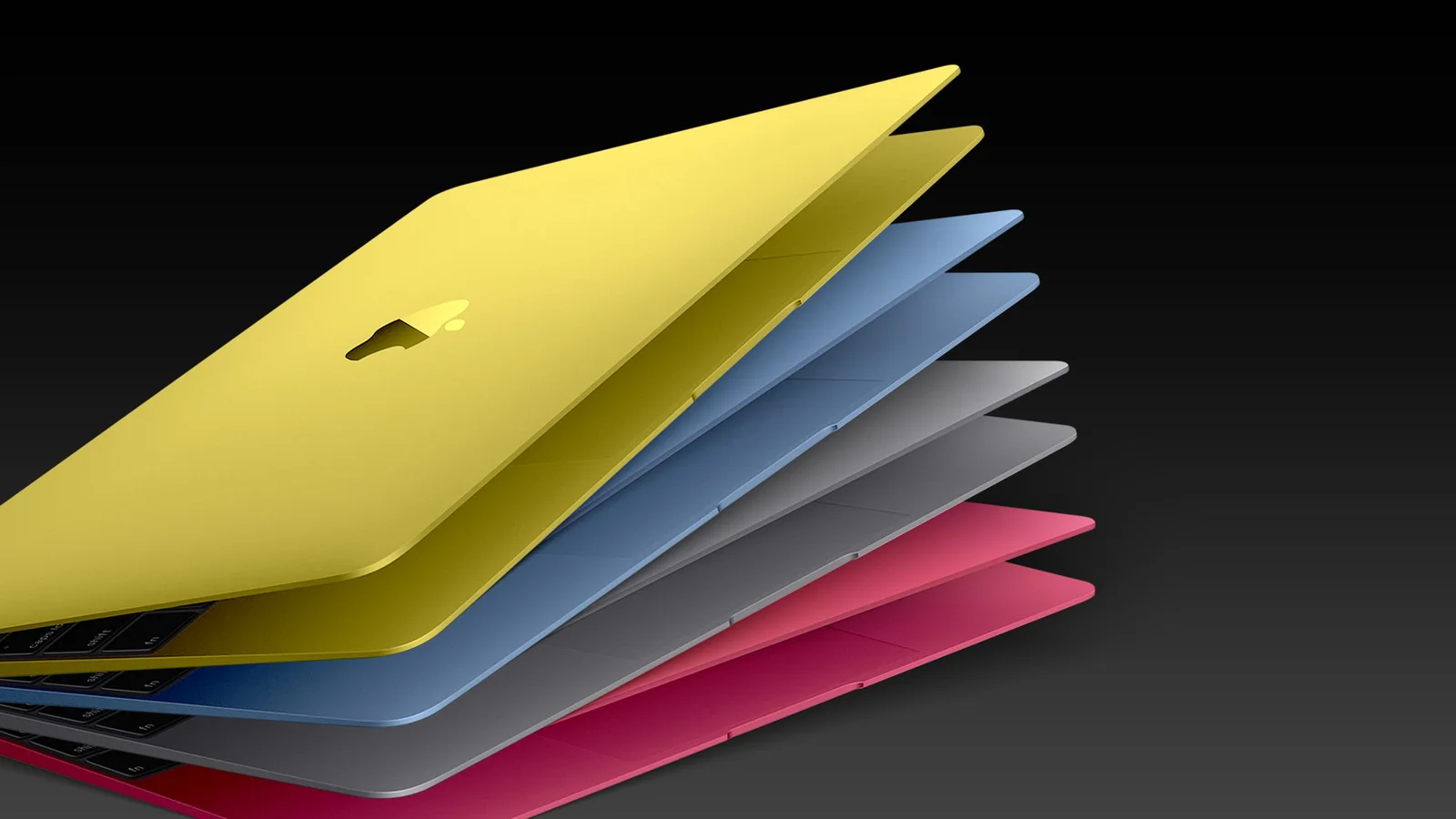
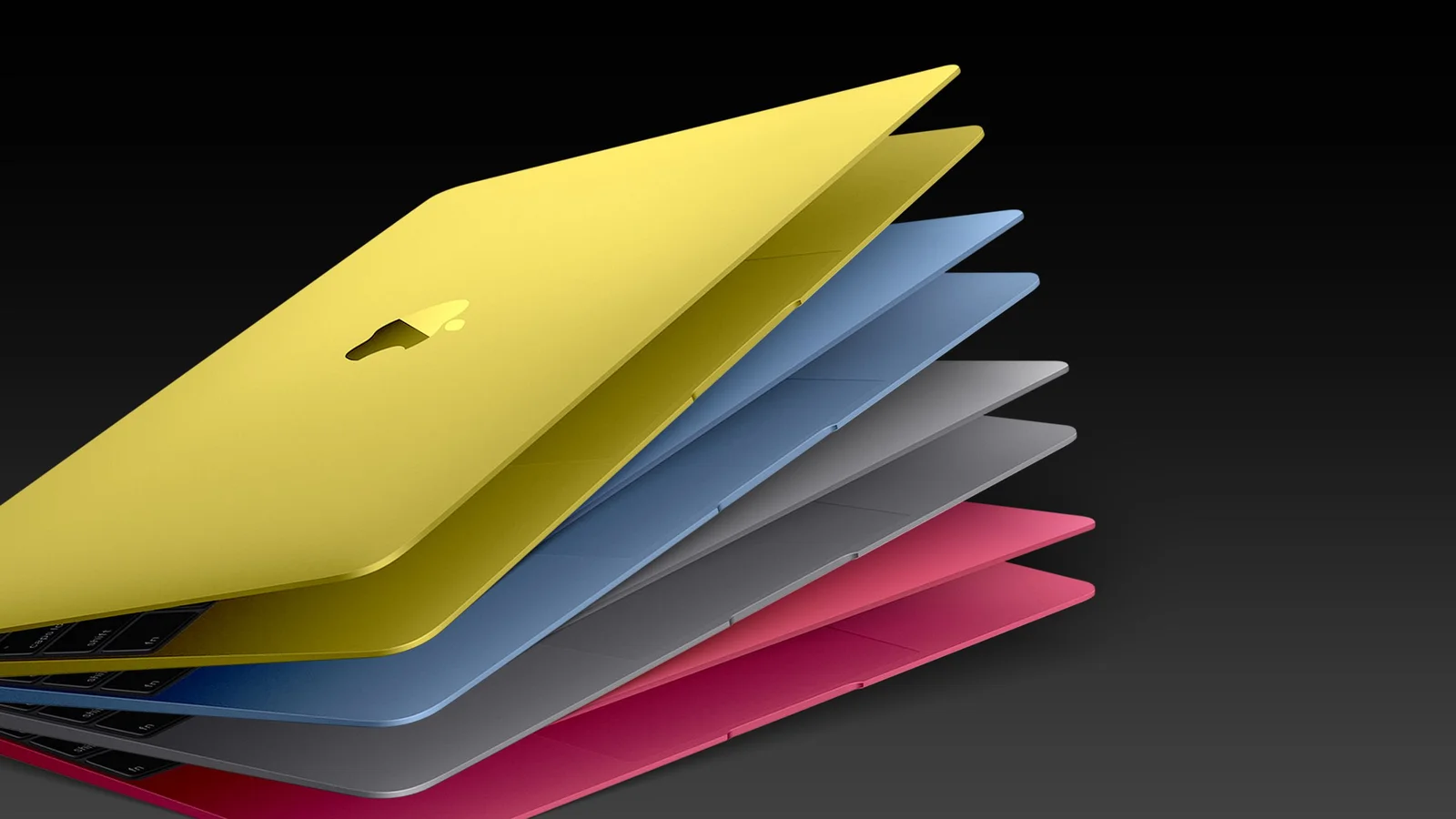
Apple's upcoming low-cost MacBook is reported to be tested with an A15 Bionic chip, which is slower than the current iPad, while retail versions are expected to feature the more powerful A18 Pro chipset. The device is anticipated to launch in early 2026, possibly with a 12.9-inch display and multiple color options.
Apple plans to release an affordable 13-inch MacBook in 2026 featuring the A18 Pro chip, with a design similar to the MacBook Air, targeting budget-conscious users and competing with Chromebooks and Windows PCs, with an expected price well under $1,000.
Apple is set to release a budget-friendly MacBook starting at $599 with an A18 Pro chip, a 12.9-inch display, and color options, aiming to expand its market share while potentially impacting iPad sales.
Apple is rumored to launch a new 12.9-inch MacBook this year starting at $599, featuring an A18 Pro chip, a lightweight design, and multiple color options, potentially boosting MacBook sales by up to 40%.
The article discusses the potential of a low-cost MacBook powered by the upcoming Apple A18 Pro chip, highlighting its suitability for basic computing, portability, and Apple's product lineup, while noting limitations in multitasking and future-proofing due to hardware constraints.
Leaked identifiers suggest Apple plans to release upgraded MacBook Pro models with M5 and M6 chips, along with a mysterious A18 Pro-powered MacBook, potentially launching later this year or next, with design and display improvements expected in future models.
Apple is rumored to launch an affordable MacBook in 2026 featuring the A18 Pro chip from the iPhone 16 Pro, with a 13-inch display, limited ports, and colorful options, potentially replacing the older MacBook Air and emphasizing a lightweight, ultra-thin design.
Rumors suggest Apple is developing a budget 13-inch MacBook powered by the A18 Pro chip, which could offer impressive battery life and cost less than the current M4 MacBook Air, potentially revolutionizing portable computing for everyday users.
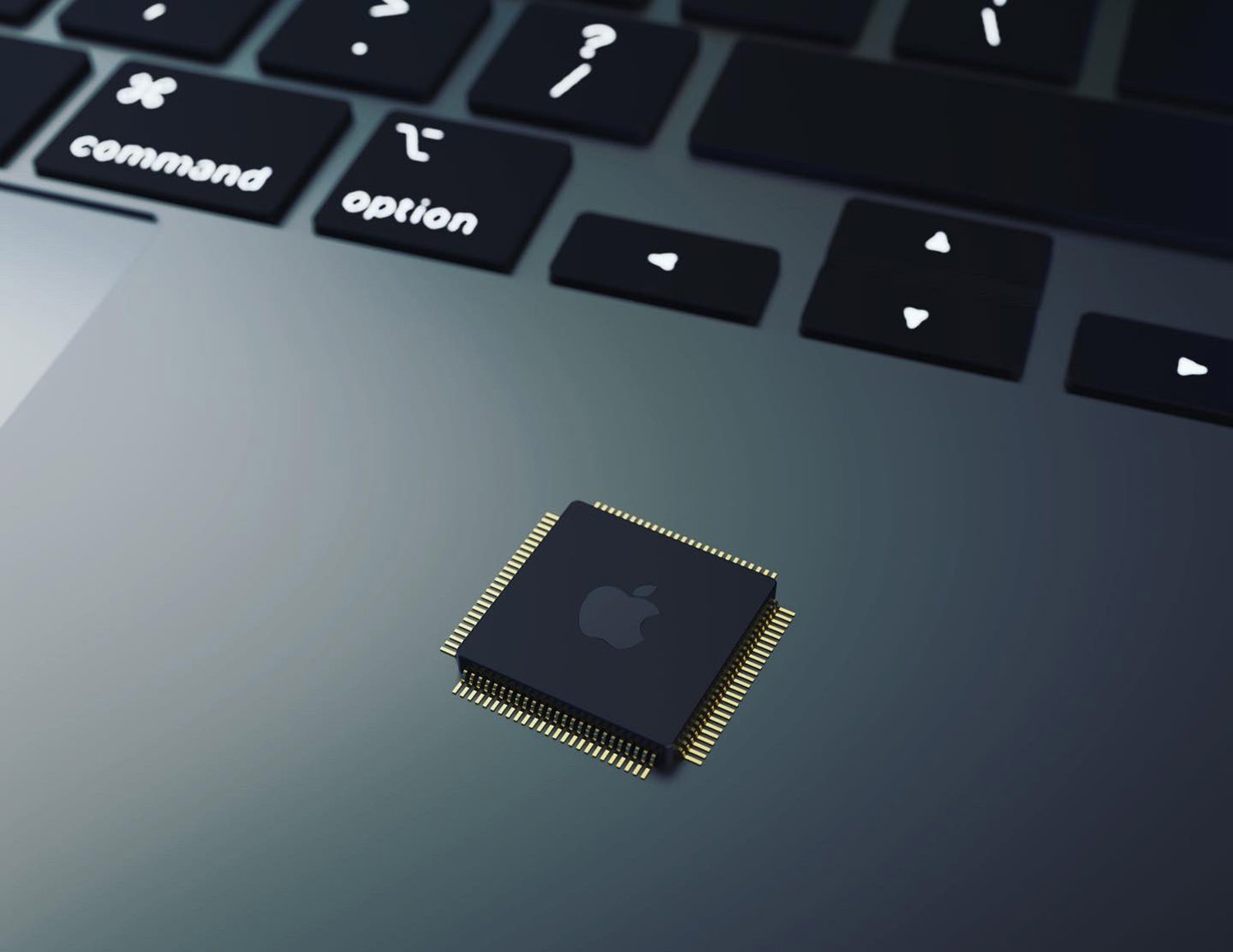
Apple is developing a new MacBook powered by the A18 Pro chip, which is expected to be a more affordable model and the first non-M-series MacBook, with production possibly starting in late 2025 or early 2026, targeting budget-conscious consumers like students.
A reference to a new MacBook with an A18 Pro chip has been discovered in Apple code, confirming earlier reports that Apple is developing a cheaper MacBook featuring the iPhone's A18 Pro chip, expected to launch around late 2025 or early 2026.
Apple is planning to release a more affordable MacBook powered by the iPhone's A18 Pro chip, targeting late 2025 or early 2026, with a focus on price and volume sales, potentially offering a significant price reduction from the current MacBook Air.
Speculation suggests that Apple's A18 and A18 Pro chips may have larger die sizes to accommodate additional upgrades such as a bigger cache, larger neural engine, and potentially new hardware features. Technology YouTuber Vadim Yuryev predicts that the A18 Pro could have additional performance and efficiency cores, while the regular A18 might see some cores disabled. However, these are all speculations, and the complete specifications of the A18 and A18 Pro are yet to be revealed.
Apple's upcoming A18 Pro SoC, expected in the iPhone 16 Pro and iPhone 16 Pro Max, reportedly shows significant performance gains over the A17 Pro, with double-digit improvements in multi-core performance. However, it still trails behind the Snapdragon 8 Gen 4 in multi-core performance. While the single-core performance remains unrivaled, there are conflicting reports about the multi-core gains. The efficiency metrics of the A18 Pro, Snapdragon 8 Gen 4, and MediaTek’s Dimensity 9400 are yet to be revealed, making it important to consider the 'performance per watt' aspect before drawing final conclusions.