
"Reconciliation and Remembrance: 30 Years After the Rwandan Genocide"
TL;DR Summary
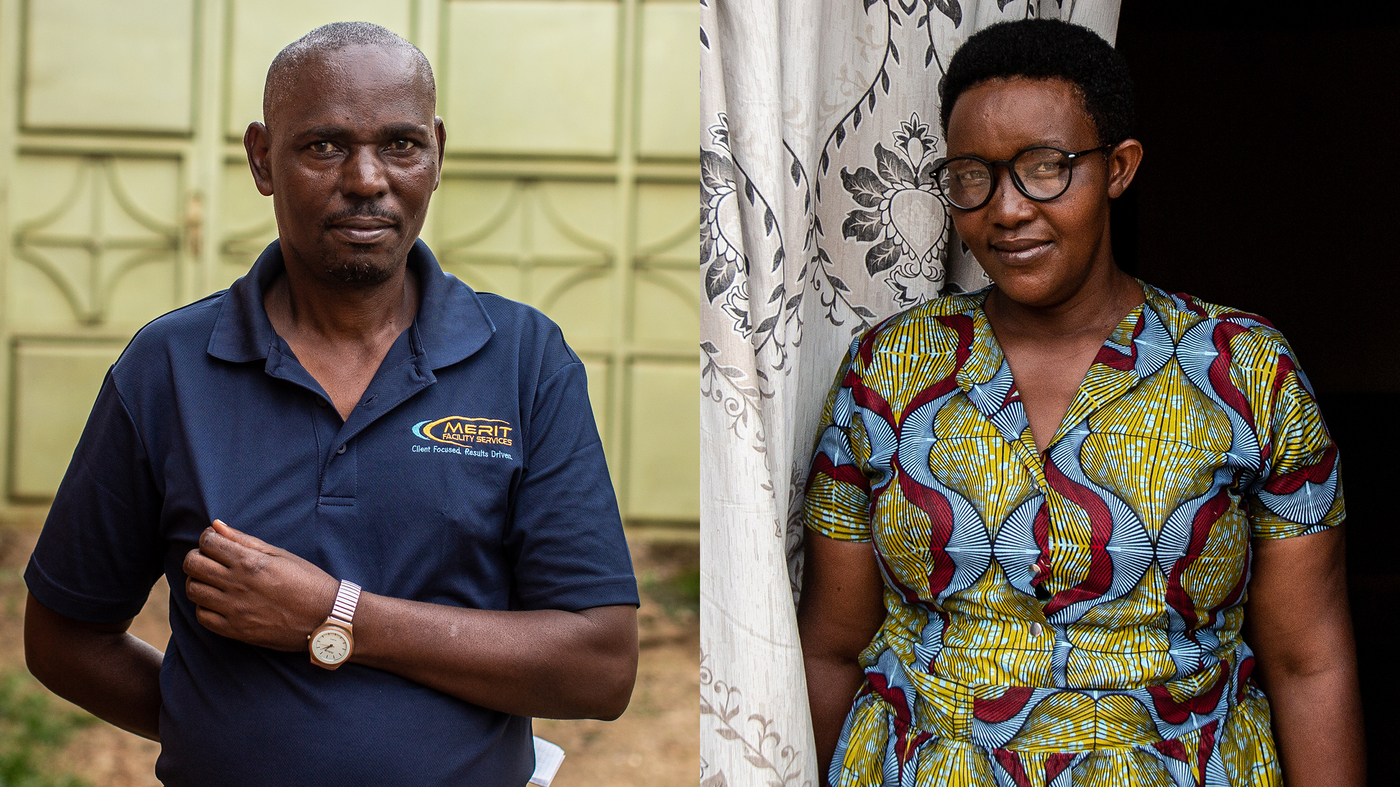
As Rwanda marks the 30th anniversary of the genocide, survivors like Rachel Mukantabana, who lost many family members, now live in reconciliation villages alongside the perpetrators. The government has outlawed speech that draws ethnic distinctions and has a reconciliation barometer, rating reconciliation at 94.7%. Experts say reconciliation is a messy process, with perpetrators like Didas Kayinamura sharing complex narratives about their involvement. Despite the brutal history, survivors and perpetrators are learning to live side by side in a community where ethnic divisions are being replaced by a shared Rwandan identity.
- Rwandans learn to live as neighbors in the shadow of the genocide NPR
- Thirty years ago the world failed to stop the Rwandan genocide. Now we fail Gaza The Guardian
- President Macron says France and its allies 'could have stopped' the 1994 Rwanda genocide The Associated Press
- Rwanda marks 30 years of reconciliation after genocide, but major challenges remain PBS NewsHour
- The judicial legacy of the Rwandan genocide: 30 years of double standards Al Jazeera English
Reading Insights
Total Reads
0
Unique Readers
7
Time Saved
6 min
vs 7 min read
Condensed
93%
1,308 → 90 words
Want the full story? Read the original article
Read on NPR