
"Decades of Monkey Island Data Unveil Insights on Resilience and Survival"
TL;DR Summary
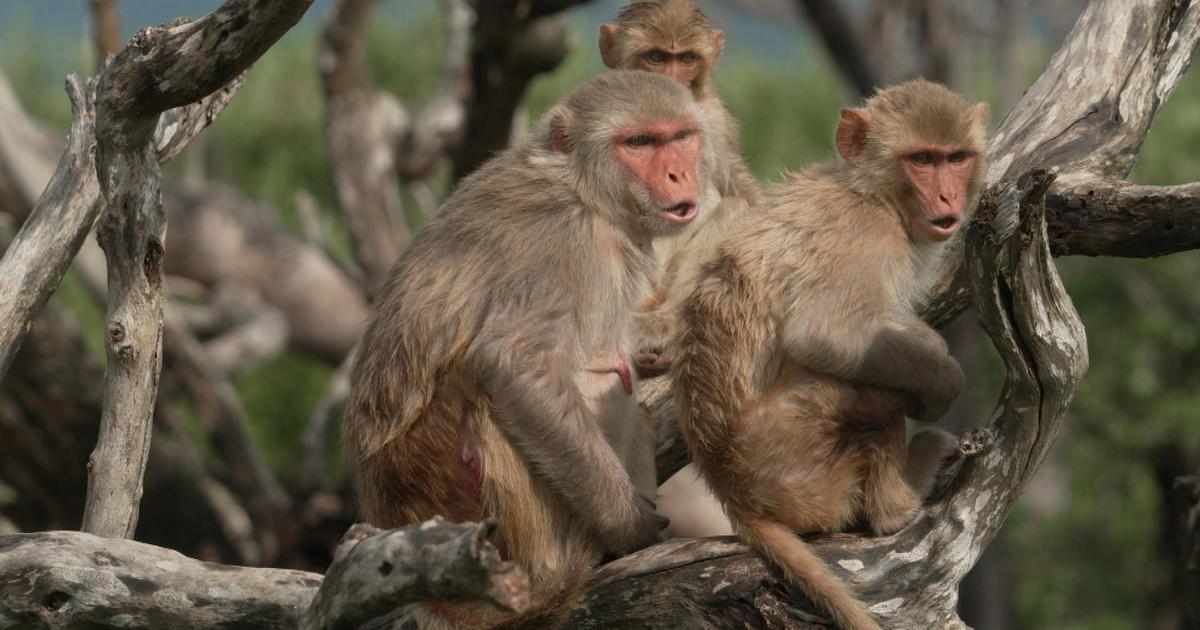
Scientists studying rhesus macaque monkeys on Cayo Santiago, also known as Monkey Island, have rare access to over six decades of biological and behavioral data. The monkeys, whose DNA is 94% similar to humans, have been studied since 1938 and provide insights into the effects of environmental stress on longevity and health. After surviving a devastating hurricane in 2017, the monkeys showed increased social tolerance and immune system aging. The research may have implications for understanding human resilience in the face of traumatic events.
Topics:world#cayo-santiago#hurricane-maria#long-term-research#monkey-island#rhesus-macaque-monkeys#science-and-environment
- On Monkey Island, scientists have rare access to more than 6 decades of biological, behavioral data CBS News
- How monkey research survived Hurricane Maria 60 Minutes
- Can monkeys that survived Hurricane Maria teach us about resilience in the face of disaster? CBS News
- How Cayo Santiago's monkey research survived Hurricane Maria CBS News
- Monkey Island | Sunday on 60 Minutes 60 Minutes
- View Full Coverage on Google News
Reading Insights
Total Reads
0
Unique Readers
7
Time Saved
9 min
vs 10 min read
Condensed
96%
1,888 → 84 words
Want the full story? Read the original article
Read on CBS News