
Climate Change and Flooding Take a Toll on Women's Health in Coastal Bangladesh
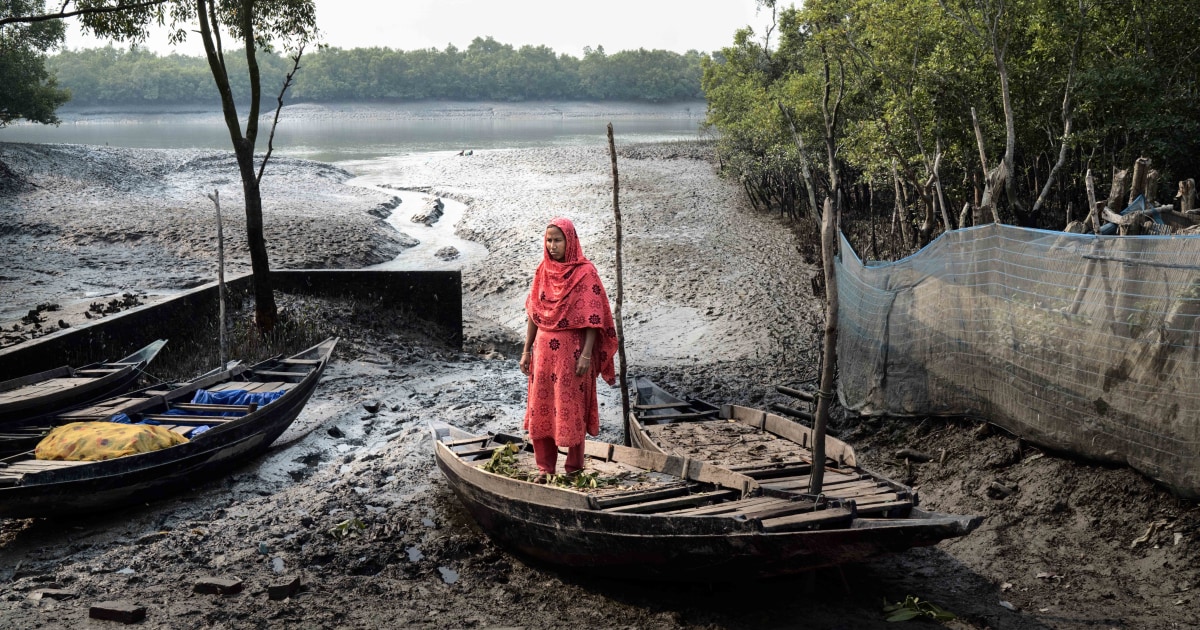
Climate change exacerbates gender inequalities and directly and indirectly affects women’s sexual health, pregnancy outcomes, contraceptive use, and fertility intentions in Bangladesh. During extreme weather events, access to healthcare and contraceptives is limited, and the climate crisis deepens economic instability and adds extra burdens on women’s caregiving responsibilities. Rising sea levels and saltwater intrusion have choked off access to clean drinking water, causing infections, cancers, and injury to women's reproductive organs. The risks to women’s reproductive health are expected to increase as cyclones and flooding events become more frequent and intense due to global warming.
Reading Insights
0
1
3 min
vs 4 min read
87%
730 → 95 words
Want the full story? Read the original article
Read on NBC News