
Unveiling the Science and Solutions of Wildfires and Carbon Emissions
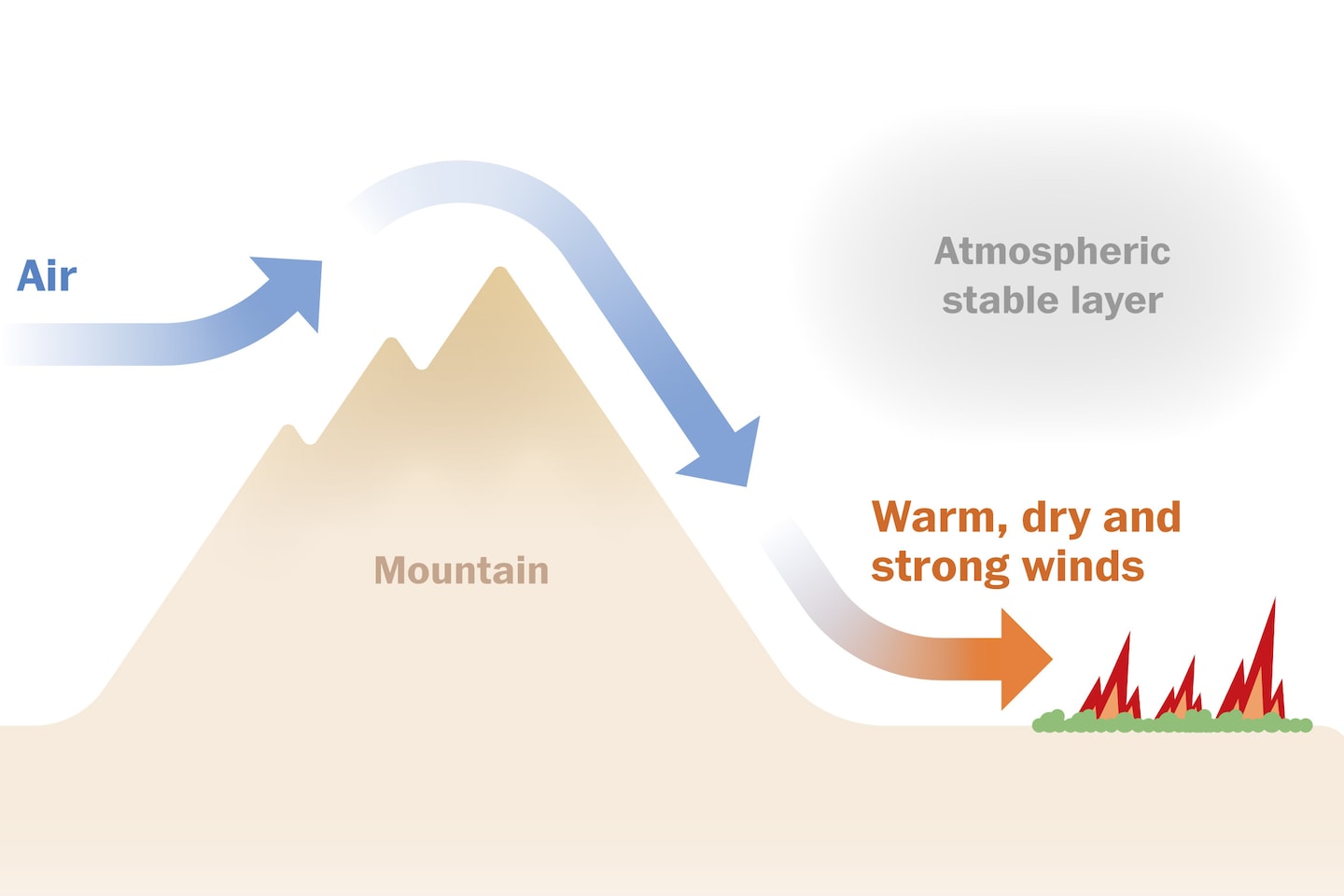
The rapid spread of wildfires in Hawaii, which have killed at least 36 people and destroyed much of the town of Lahaina, can be attributed to a combination of factors. Months of drought and the presence of nonnative grasses made the vegetation highly flammable. However, it was the confluence of two weather systems - high pressure to the north and Hurricane Dora to the south - that created strong winds, with gusts as high as 82 mph, which rapidly spread the fires. These winds, known as downslope winds, compressed and heated the air, making it even drier and increasing the risk of wildfires. While Hurricane Dora passed farther away from Hawaii compared to previous incidents, it still played a role in fanning the flames.
- The science behind Hawaii's extreme fires - The Washington Post The Washington Post
- How Bad Are the 2023 Wildfires? Chart Shows Dramatic Shift From Last Year Newsweek
- Canada's forests will recover from wildfires — but they won't be the same CBC.ca
- As wildfire risk grows, will planting trees work to offset carbon emissions? The Weather Network
- View Full Coverage on Google News
Reading Insights
0
7
2 min
vs 4 min read
80%
623 → 124 words
Want the full story? Read the original article
Read on The Washington Post