
Supreme Court's Ruling on Online Stalking Balances Free Speech and Victim Protection
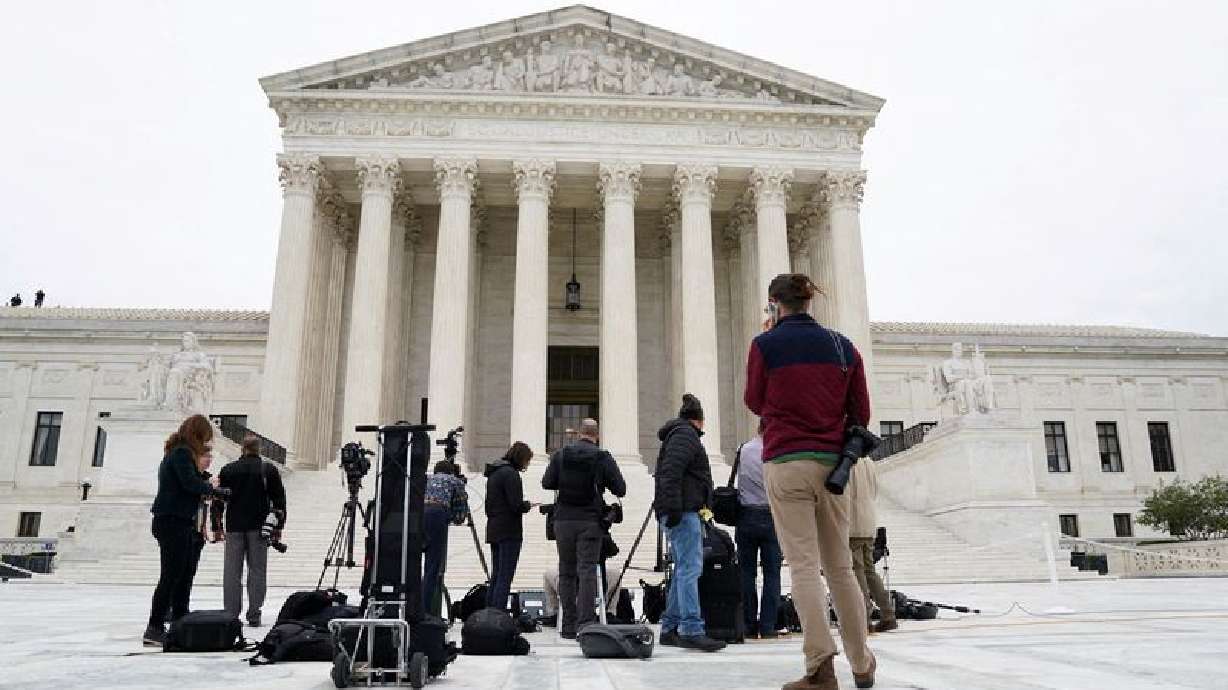
The U.S. Supreme Court has overturned the stalking conviction of a man who sent a barrage of unwanted messages to a female musician, ruling that prosecutors failed to prove he understood the "threatening nature" of his words. The 7-2 decision, authored by Justice Elena Kagan, stated that the First Amendment requires proof of the defendant's subjective understanding of the threatening nature of their statements. The dissenting opinion argued that the ruling unjustifiably grants true threats preferential treatment. The defendant had a history of making violent threats and was on supervised release during the time he continuously messaged the musician. The ruling did not require proof of specific intent to threaten, but only that the speaker acted recklessly. Critics argue that the decision allows stalkers to act with impunity and endangers victims.
- Supreme Court backs man who sent female musician flood of unwanted messages KSL.com
- Supreme Court online stalking ruling could impact stalking victims, like Oahu woman KITV
- Supreme Court says a conviction for online threats violated 1st Amendment The Washington Post
- Supreme Court Prioritizes a Stalker’s Free Speech Over His Victim’s Bloomberg
- Supreme Court Puts First Amendment Limits on Laws Banning Online Threats The New York Times
Reading Insights
0
1
3 min
vs 4 min read
81%
704 → 131 words
Want the full story? Read the original article
Read on KSL.com