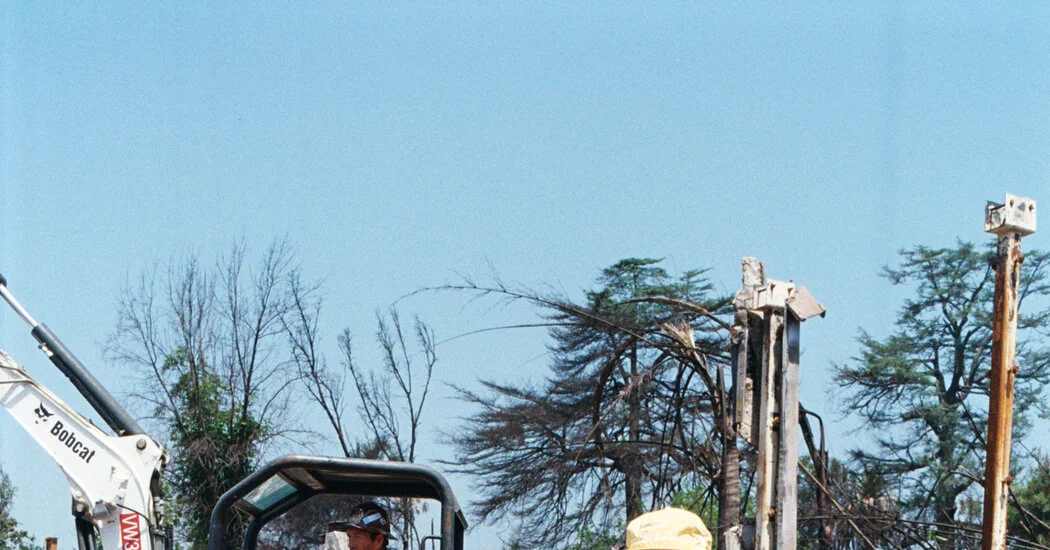
Artist Kelly Akashi, who lost her Altadena home in the Eaton Fire, debuts a 13-foot glass-brick chimney and a walkway titled Monument (Altadena) for the 2026 Whitney Biennial, turning a year of loss into a sculptural symbol of recovery and resilience.
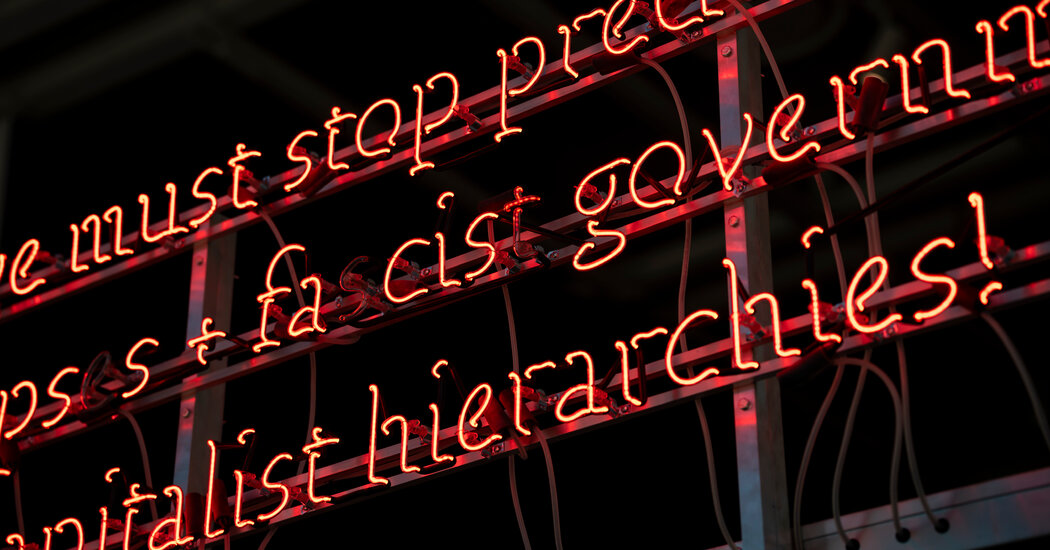
The Whitney Biennial art exhibition featured an installation by artist Demian DinéYazhi’ that included a hidden message spelling out "Free Palestine" in flickering neon lights, unbeknownst to museum curators. The artwork, titled “we must stop imagining apocalypse/genocide + we must imagine liberation,” was inspired by Indigenous resistance movements and included the message as a response to settler colonial institutions. The museum confirmed that they were unaware of the message but stated that there are no plans to remove or alter the artwork, emphasizing the Biennial as a space for contemporary artists to address timely matters.
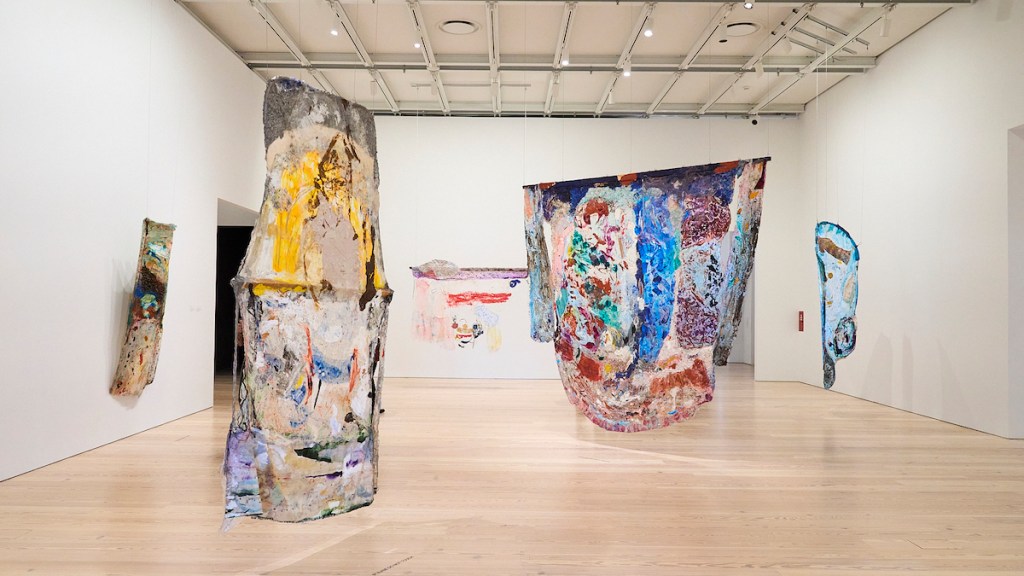
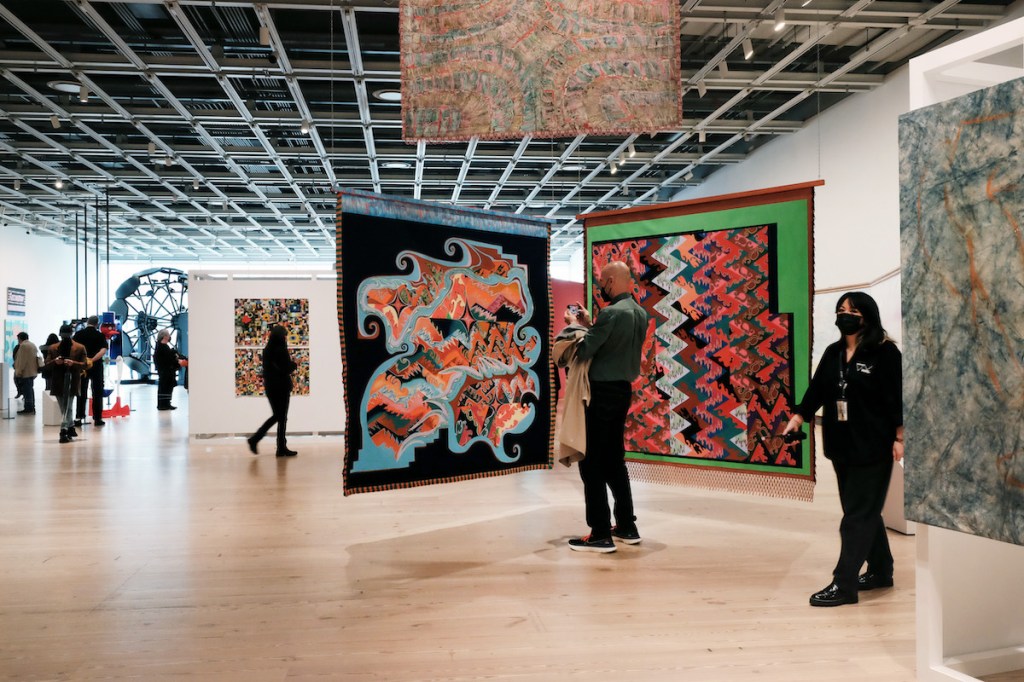
The 2024 Whitney Biennial, titled "Even Better Than the Real Thing," showcases a shift towards conceptual art focused on bodies in flux, departing from explicit political statements. The exhibition features sleek, clean, and largely colorless works, including sculptures, paintings, and sound pieces that evoke alternate corporeal states without directly representing them. The show deliberately frustrates and refuses to conform, with a deliberate focus on Black and trans artists. While lacking explicit references to global strife, the exhibition presents a diverse range of art that challenges traditional notions of American culture and history.
The 2024 Whitney Biennial, set to open on March 20, will feature 71 artists selected by curators Chrissie Iles and Meg Onli after conducting 200 studio visits across the country. The exhibition aims to reflect the raw and vulnerable state of America in the midst of compounding crises, with a focus on politically charged art that addresses issues such as climate change, the reversal of Roe v. Wade, and laws undermining bodily autonomy.
The Whitney Museum has announced the 69 artists and 2 collectives participating in the 2024 Whitney Biennial, curated by Chrissie Iles and Meg Onli, focusing on the theme "Even Better Than the Real Thing." The exhibition will explore ideas of 'the real' in the context of artificial intelligence, identity, and land stewardship, featuring a diverse array of artists, including film and performance programs. The artist list reflects a shift towards younger and more diverse participants, with a majority not being white and a significant representation of non-binary artists.