Morgan Stanley has updated its 'Humanoid 100' stock list to include companies from the video game development and cybersecurity sectors, highlighting the growing importance of physical artificial intelligence enablers.
Former video game executive Mike Ybarra has sparked debate by suggesting that players should have the option to tip developers at the end of a game, particularly for exceptional experiences. Ybarra, a former president of Blizzard Entertainment and ex-Xbox executive, believes that tipping could allow players to support games they are impressed by, but the idea has received mixed reactions from gamers, with some questioning its impact on developers' wages and others expressing support for the concept.
Mass redundancies in the video game industry have led to a surge in workers joining unions, with the Game Workers branch of the IWGB union in the UK seeing a nearly 50% increase in membership. Job cuts at major studios have prompted thousands of developers to join unions, with at least 10,500 staff globally losing their jobs in the past year. The UK, home to Europe's largest video game workforce, has been particularly affected, with around 900 of an estimated 11,100 job losses occurring there. The industry is experiencing a rebalancing following pandemic-driven growth, leading to calls for government support to create conditions for games businesses to thrive.
Geoff Keighley, host of The Game Awards, failed to address the widespread layoffs and job losses in the gaming industry during this year's event. Despite acknowledging the power of his platform in promoting change and inclusivity, Keighley neglected to recognize the hardships faced by the people who create the games celebrated at the awards show. This omission is seen as a disappointment and a missed opportunity to highlight the industry's challenges and advocate for a better working environment.
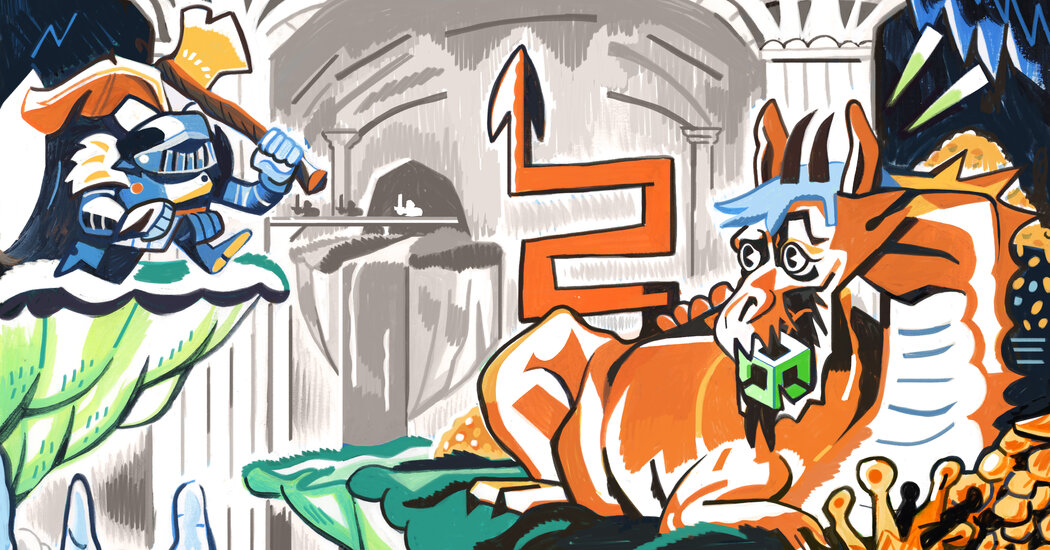
Unity Technologies, a software company used by over two million game developers, faced a revolt from its users after proposing a pricing change that would charge developers a fee every time someone installed a copy of their games, rather than the previous fixed annual licensing fee. Developers expressed concerns that the new pricing model could harm their businesses if their games became popular, leading to threats of leaving the platform and even a potential class-action lawsuit. Unity has made some concessions to appease developers but still plans to implement the new fee model. The incident highlights the challenge of balancing community satisfaction with the need for increased revenue.