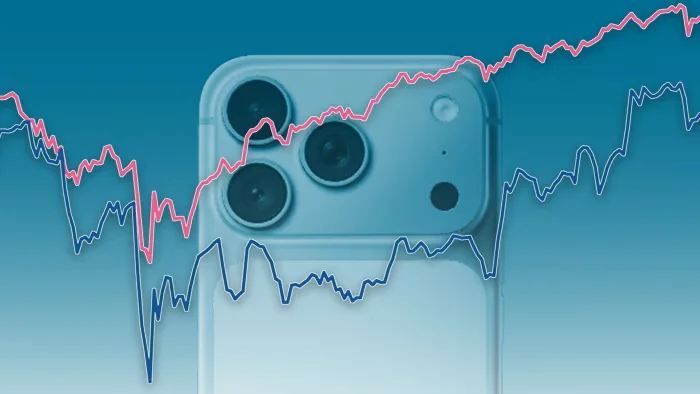
Apple's stock reached a record high and broke out of a consolidation pattern, driven by positive analyst upgrades and strong demand for the new iPhone 17 series, which is outperforming expectations and fueling optimism about an extended upgrade cycle through 2027.

The launch of the iPhone 17 has sparked the strongest smartphone growth since the pandemic, with demand exceeding expectations and boosting Apple's revenue forecast, signaling a potential new super-cycle for the company.
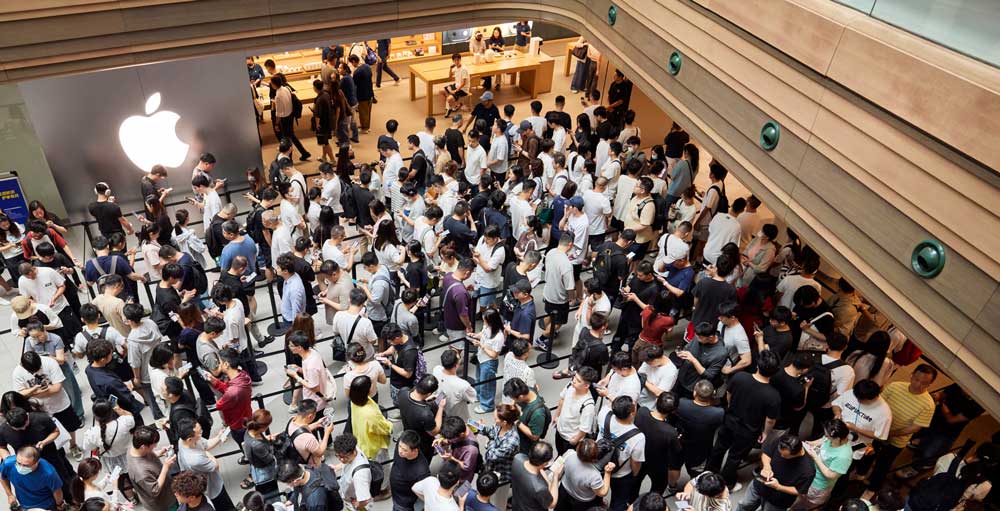
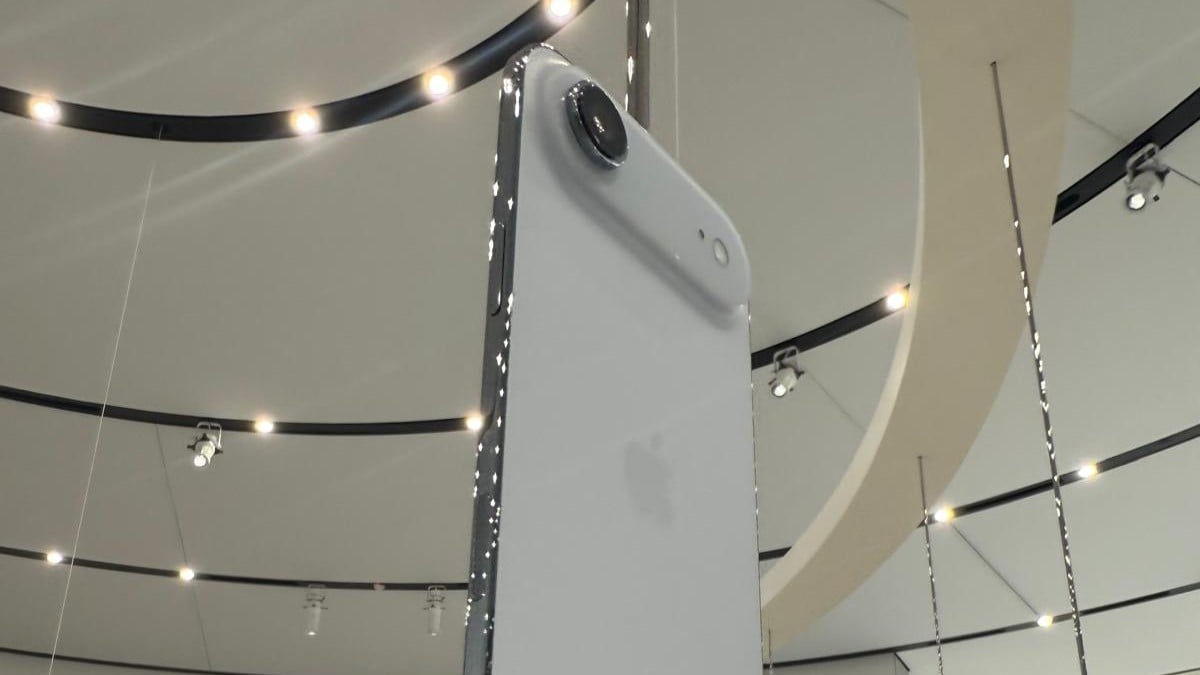
Apple's iPhone 17, featuring its biggest redesign in years, has sparked a strong upgrade frenzy, boosting smartphone sales and market confidence despite recent delays and geopolitical tensions. Early demand indicators, longer shipping times, and increased trade-in programs suggest a robust sales cycle, potentially reversing a decline in revenues and setting the stage for a strong holiday season.
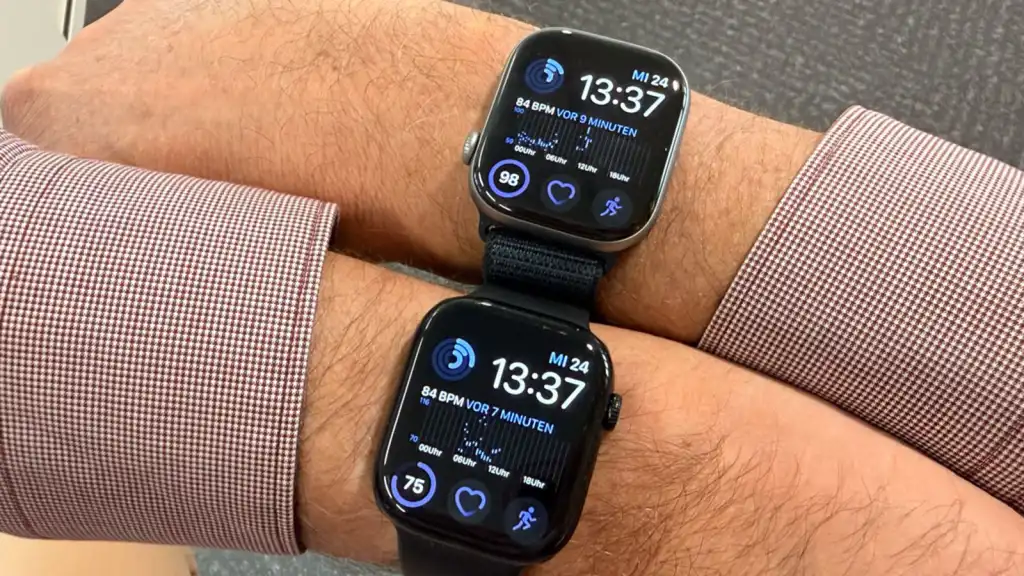
The article discusses how the Apple Watch's upgrade cycle is more about minor iterative improvements than major changes, with Apple relying on technological envy and subtle upgrades to drive sales, making recent updates less impactful for consumers.
Microsoft has released Windows 11 25H2 and highlighted a crucial caution for enterprise and office PCs using hotpatching: upgrading outside the designated baseline month (October 2025) will temporarily halt hotpatch updates, requiring a restart for standard security updates until the next baseline release in January 2026.
Early sales of Apple's iPhone 17 are stronger than expected, driven by consumers upgrading their older phones rather than new features, leading to a positive outlook for Apple stock and potential unit sales exceeding forecasts, despite some concerns over higher-priced models.
Apple's strategic focus on design-driven differentiation, restrained pricing, and aggressive trade-in incentives aims to drive a significant upgrade cycle with the iPhone 17 lineup, emphasizing style, value, and ecosystem lock-in to sustain growth in a competitive market.
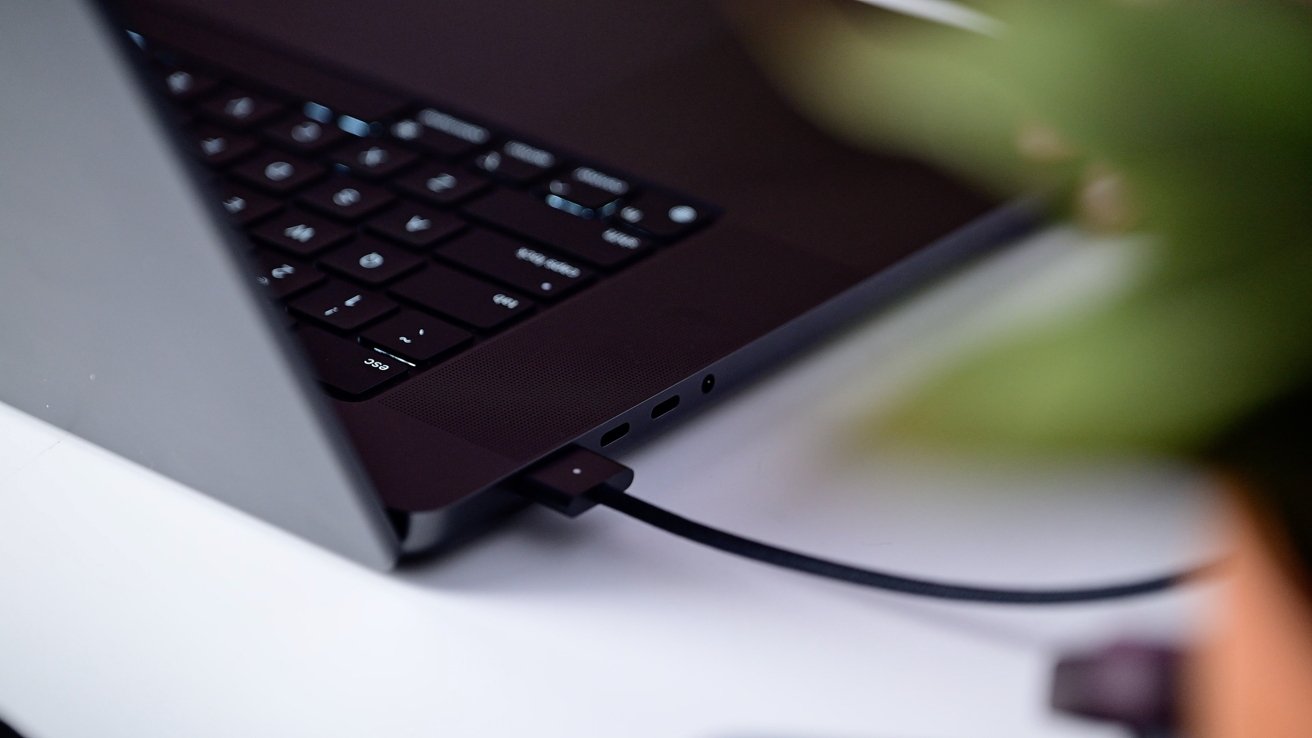
Apple plans to release a redesigned M6 MacBook Pro in late 2026 or early 2027, featuring significant updates like an OLED display and a thinner case to entice users to upgrade, as the current M-series chips are so powerful that many users see no need to replace their Macs frequently.
Analysts predict a potential rerating of Apple stock as the company prepares to release an AI-enabled iPhone in the fall, with the rumored device expected to drive a significant upgrade cycle similar to the impact of 5G. Despite near-term challenges, hedge fund investors are showing increased interest in Apple stock, and analysts believe that the AI features in the upcoming iPhone could attract buyers. Additionally, there are expectations for a major upgrade cycle with the iPhone 17 series in late 2025, driven by broader use cases for on-device AI.
Qualcomm CEO Cristiano Amon believes that artificial intelligence (AI) has the potential to rejuvenate the smartphone market and create a new upgrade cycle. He sees significant opportunities in AI and expects major developments in mobile technology to emerge from Qualcomm's upcoming Snapdragon Summit in October. Smartphone sales have declined as consumers perceive little difference between current models and older ones with advanced features. Amon highlights the ability to run AI models locally on smartphones, similar to what Microsoft is doing for PCs, as a potential game-changer. Qualcomm aims to bring AI to devices rather than focusing on data centers like its rival Nvidia.
Analyst Dan Ives suggests that the upcoming iPhone 15 line could be a major release for Apple, as around 250 million iPhones have not been upgraded in over four years, setting the company up for a significant installed base upgrade cycle. This could result in a boost in revenue from Apple Services, putting the company in a strong position going into 2024. While the iPhone 16 line may bring more meaningful upgrades, the iPhone 15 could still prove to be a windfall release due to the number of soon-to-be-outdated iPhones currently in use.