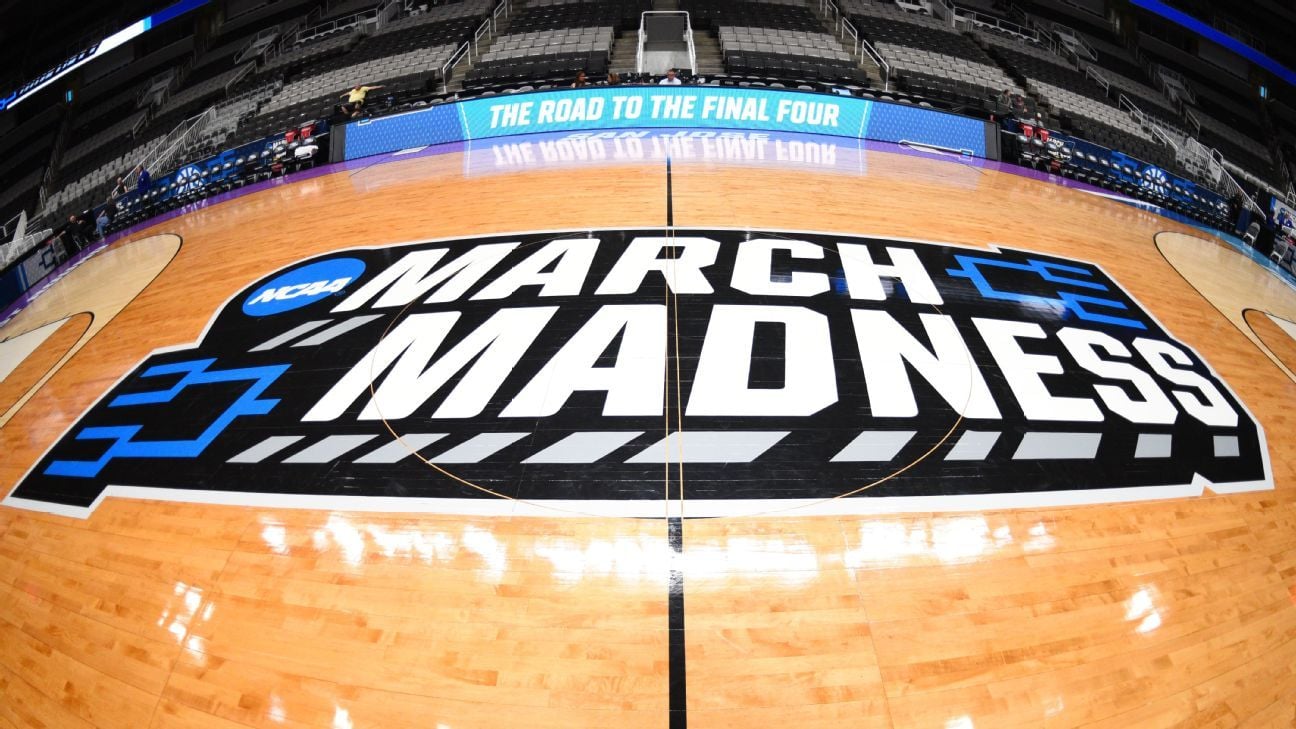
The NCAA has decided to keep the March Madness tournament at 68 teams for 2026, with discussions on potential expansion to 72 or 76 teams postponed. Public and fan opposition to expansion remains strong, emphasizing support for maintaining the current format.
The article previews the upcoming men's college basketball season, highlighting top storylines, potential contenders, key freshmen, transfers, and coaching changes, along with wild predictions and notable nonconference matchups, as the sport prepares for possible NCAA tournament expansion and structural changes.
The article criticizes the potential expansion of the NCAA men's basketball tournament from 68 to 72 or 76 teams, arguing that it is driven by financial and power motives rather than fan interest or tradition, and will dilute the quality of the tournament while benefiting top conferences and programs.
Dan Wetzel argues against expanding the NCAA basketball tournaments beyond 68 teams, citing lack of demand, potential dilution of the event's unique appeal, and the risk of undermining the tournament's cultural significance, emphasizing that the current format is already optimal and that expansion primarily benefits coaches and athletic directors financially.
The NCAA is considering expanding the March Madness men's basketball tournament as early as 2026, potentially increasing the field from 68 to 72 or 76 teams to include more deserving teams and reduce the number of top teams left out, with discussions ongoing with television partners about logistics.
The NCAA is considering expanding the March Madness tournament from 68 to 72 or 76 teams as early as 2026, aiming to include more top teams and address current selection flaws, with a decision expected in the coming months.
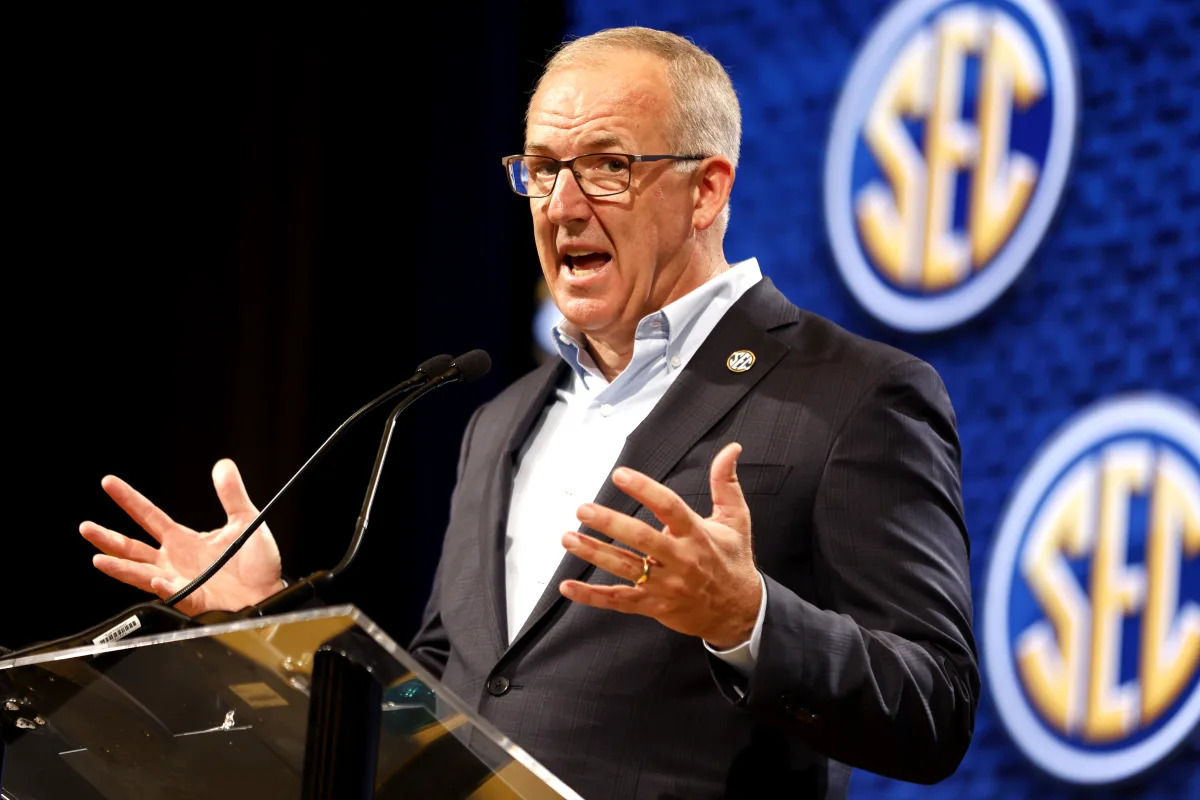
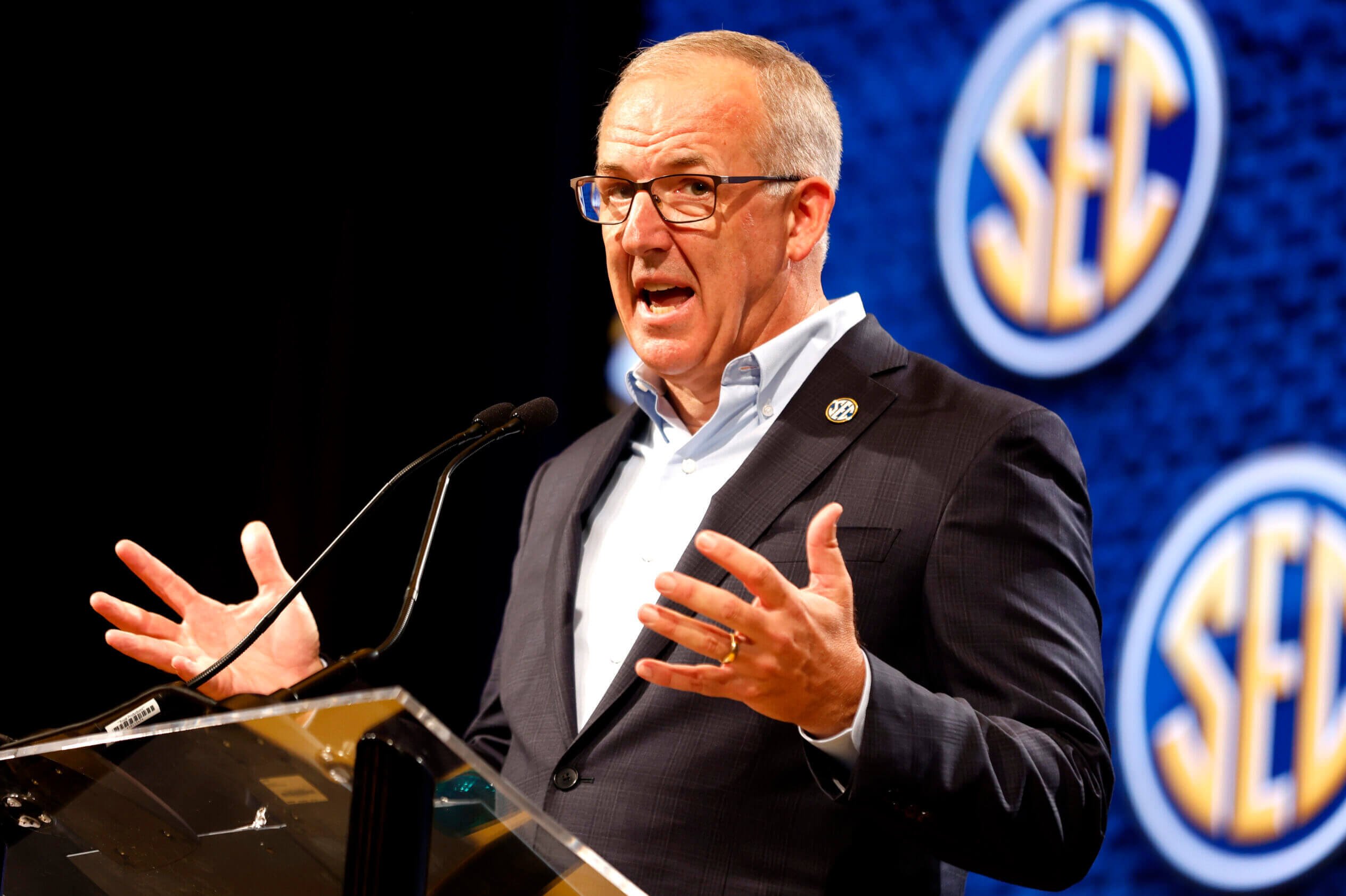
SEC Commissioner Greg Sankey has reiterated his support for expanding the NCAA basketball tournament, citing the success of lower-seeded teams like North Carolina State. Sankey, who co-chaired the NCAA transformation committee, argues that the current 68-team format should be reexamined to allow more teams a chance at championship success. He also discussed the formation of an advisory group with the Big Ten to address broader issues in college athletics, emphasizing the need for leadership from the power conferences.
SEC commissioner Greg Sankey's push for NCAA Tournament expansion to favor power conferences has backfired as his league's teams suffered upsets in the first round, contradicting his argument. Sankey's pursuit of more competitive opportunities for power conferences at the expense of smaller leagues has drawn public backlash, with critics arguing that the tournament's current format allows for memorable upsets and equal representation. The basketball gods seem to have intervened, potentially delaying tournament expansion, as fans, coaches, and players continue to express their love for the tournament's current structure.
SEC commissioner Greg Sankey's push for NCAA tournament expansion has faced criticism after several SEC teams suffered unexpected losses in the tournament, leading to concerns that power conferences like the SEC are trying to tilt the tournament in their favor. Sankey's desire for a larger field has raised fears that underdogs from smaller conferences will be squeezed out, potentially changing the nature of the tournament. Critics argue that the charm of the NCAA tournament lies in the upsets and underdog stories, and that Sankey's push for more access for power conferences could jeopardize that.
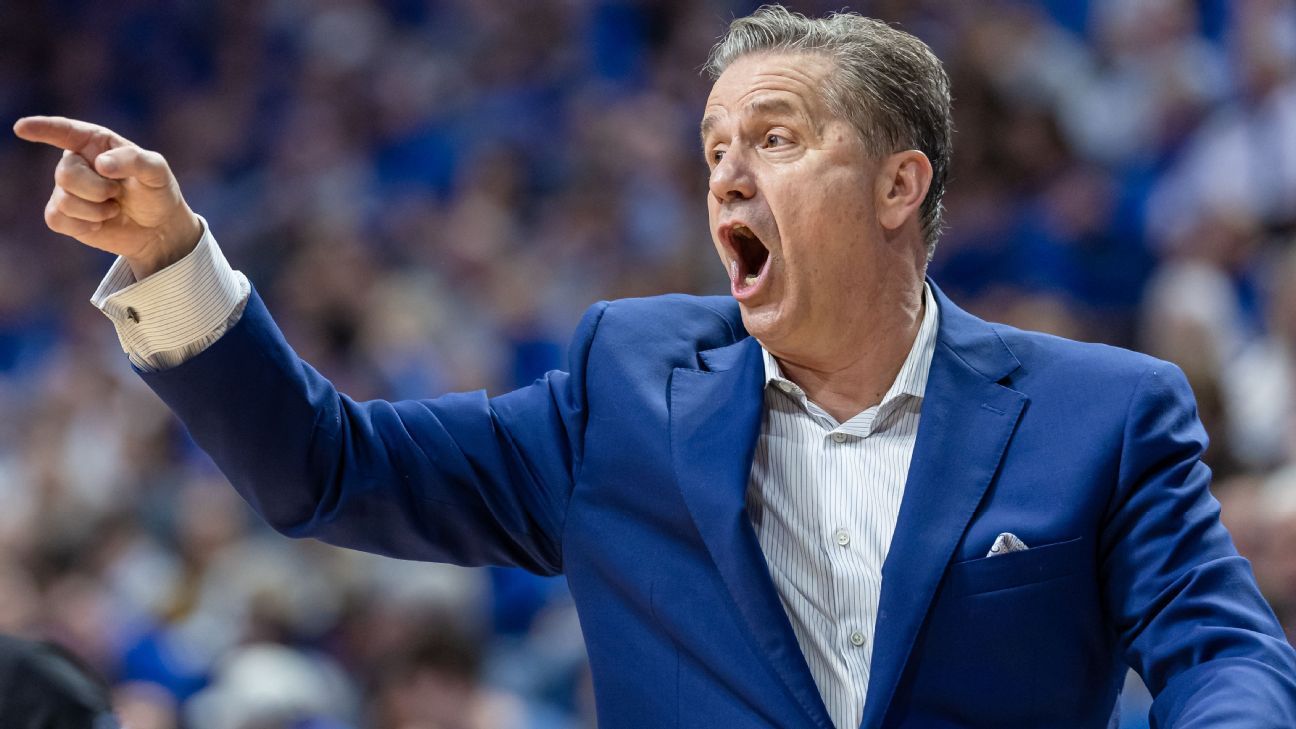
Kentucky basketball coach John Calipari and Oakland coach Greg Kampe oppose the idea of expanding the NCAA tournament beyond its current 68-team format, expressing concerns about the potential impact on mid-major teams and the magic of the underdog. NC State coach Kevin Keatts, however, believes tournament expansion would benefit players from programs of all sizes, providing more opportunities for student-athletes to participate in postseason play.
After a chaotic conference championship weekend, there's talk of expanding the NCAA men's tournament field from 68 teams to 76 or 80, citing the competitive nature of bubble teams from power conferences. However, many argue that the current 68-team format is near perfect, with March Madness being defined by unexpected upsets and the inclusion of teams from all over. The recent increase in parity in college basketball further supports the idea that the tournament isn't broken and doesn't need expansion.
SEC commissioner Greg Sankey does not foresee a future NCAA Tournament limited to power conference teams, despite recent comments suggesting otherwise. He emphasizes the competitiveness of teams within the top 50 and the need to review the tournament's structure as college athletics continue to evolve. While advocating for tournament expansion, Sankey acknowledges the importance of preserving access for mid-major automatic qualifiers and encourages healthy dialogue on potential changes to the tournament format.
The Big Ten Conference has announced future scheduling formats for men's and women's basketball, including an expansion of the tournament fields to 15 teams, maintenance of a double bye for the top four seeds, and a rotation of single-play home/away locations. The 2024 Big Ten Women’s and Men’s Basketball Tournaments will be hosted at Target Center in Minneapolis, Minnesota, with the women’s championship game airing on CBS for the first time in its history.