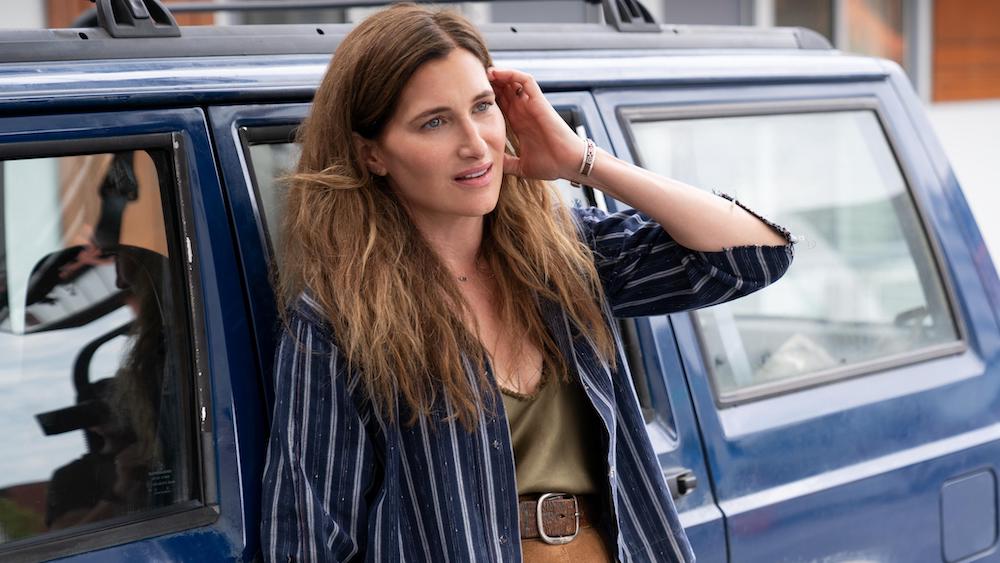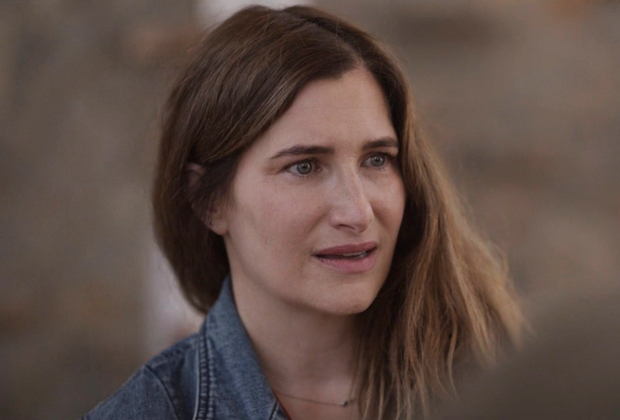
Hulu's Tiny Beautiful Things, an adaptation of Cheryl Strayed's essay collection, features Kathryn Hahn as a woman in a failing marriage who finds solace in writing an advice column. The show's roots lead back to the Wild days, with Reese Witherspoon and Strayed discussing a Tiny Beautiful Things adaptation that never got off the ground. The show's material will push viewers to think about themselves and their mothers, and Hahn's meditations open and close most every episode.
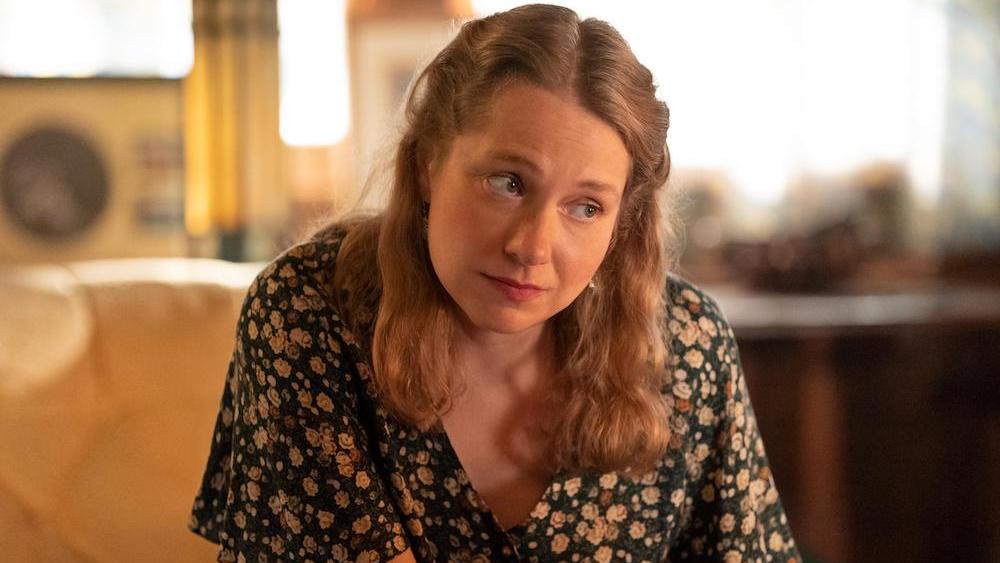
Merritt Wever, who plays Frankie in Hulu's limited series "Tiny Beautiful Things," discusses working with Kathryn Hahn and Sarah Pidgeon, and the challenges of portraying a character in flashbacks. Wever admits to feeling overwhelmed by the love and energy Hahn brought to their scenes together, particularly in the emotional finale. She also reveals that she used Cheryl Strayed's memoir "Wild" as a resource to understand her character, Frankie, who is based on Strayed's own mother.
Kathryn Hahn discusses her role as Clare in the Hulu limited series "Tiny Beautiful Things," her newfound ability to be picky with roles, and her desire to direct. Hahn relates to her character's struggles and the importance of being true to oneself. She also expresses interest in exploring different genres, including horror, and working with young theater artists. All episodes of "Tiny Beautiful Things" are now available to stream on Hulu.
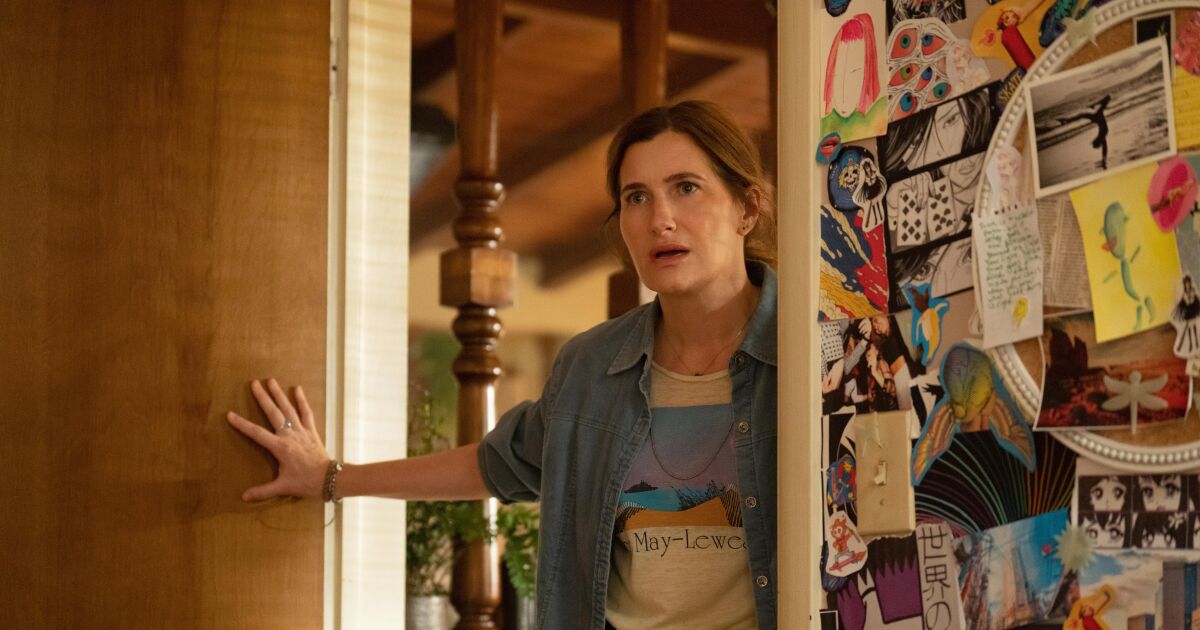
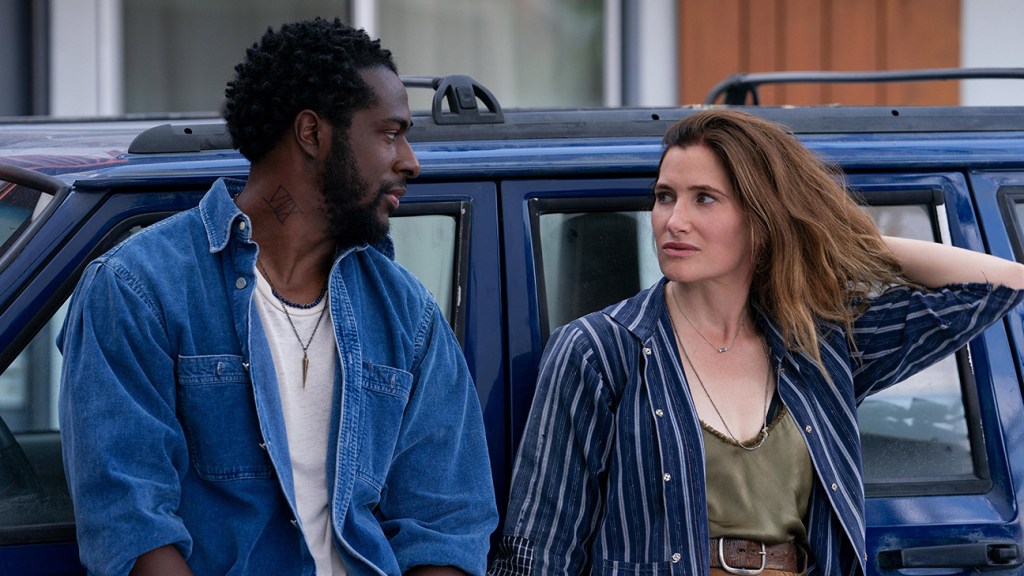
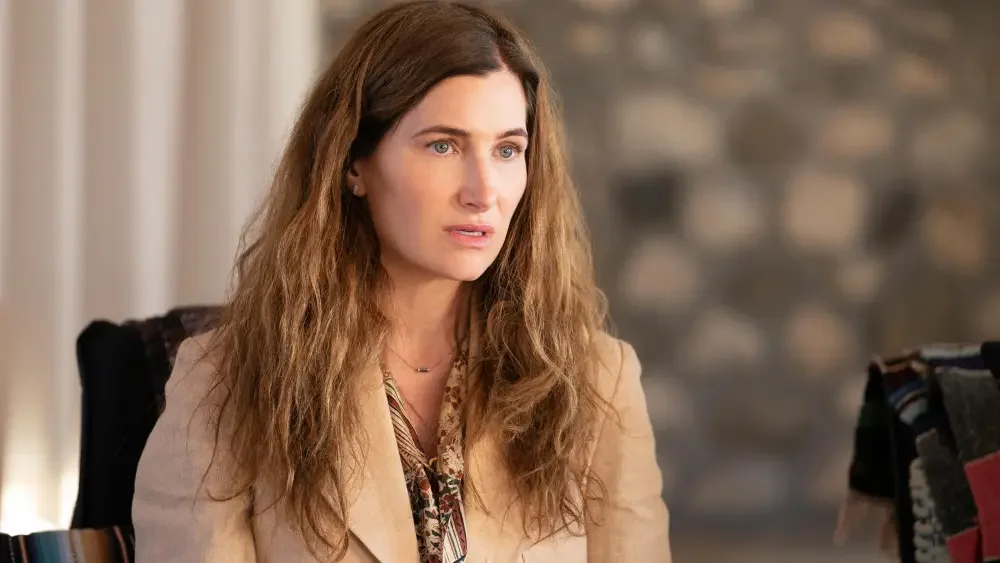
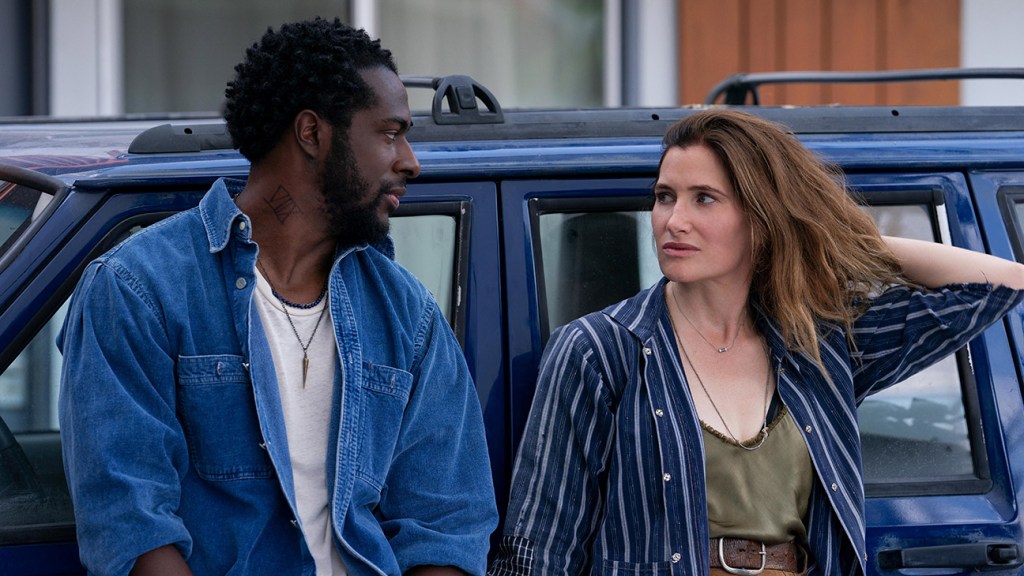
Hulu's limited series "Tiny Beautiful Things" follows Clare Pierce, played by Kathryn Hahn, as she takes over the Dear Sugar advice column. The premiere episode depicts Clare's life falling apart as she deals with personal, professional, and familial issues. Flashbacks reveal her past turmoil, including her mother's cancer diagnosis. Despite her own struggles, Clare encourages a Dear Sugar reader to appreciate life's tiny, beautiful things.
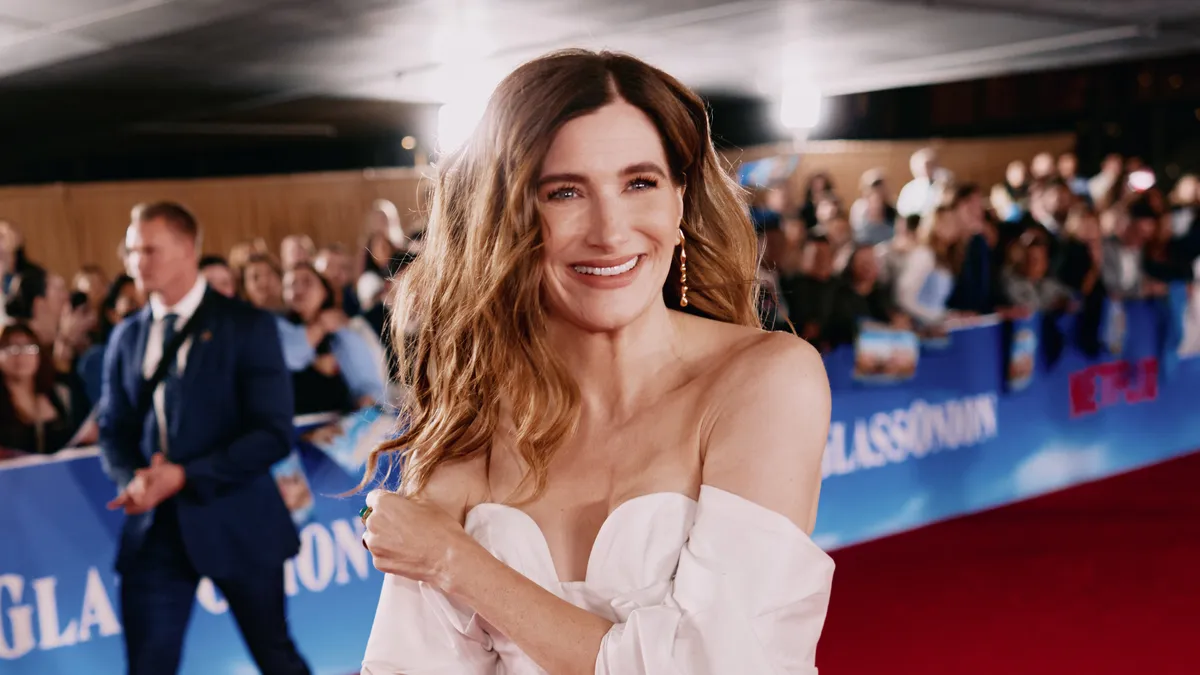
Actress Kathryn Hahn, 49, discusses her newfound confidence and embracing messy roles in Hollywood. She stars in the upcoming "Agatha: Coven of Chaos" on Disney+ and leads Hulu's "Tiny Beautiful Things." Hahn's career began in her late 20s and early roles included "How to Lose a Guy in 10 Days" and "Crossing Jordan." She's admired for her commitment to embracing interesting characters and making smart choices when it comes to indie projects. Hahn says she isn't looking for any roles in particular and is interested in the complexity of characters.
Liz Tigelaar, the showrunner of the new Hulu series "Tiny Beautiful Things," based on Cheryl Strayed's book of essays, discusses the process of adapting the beloved online advice column into a TV show. Tigelaar avoided having the letter writers be a character in each episode and instead focused on building out the memoir element of the essays. She also talks about collaborating with Strayed in the writers' room and the joy and heartbreak of passion projects like a shelved limited series on Tonya Harding.
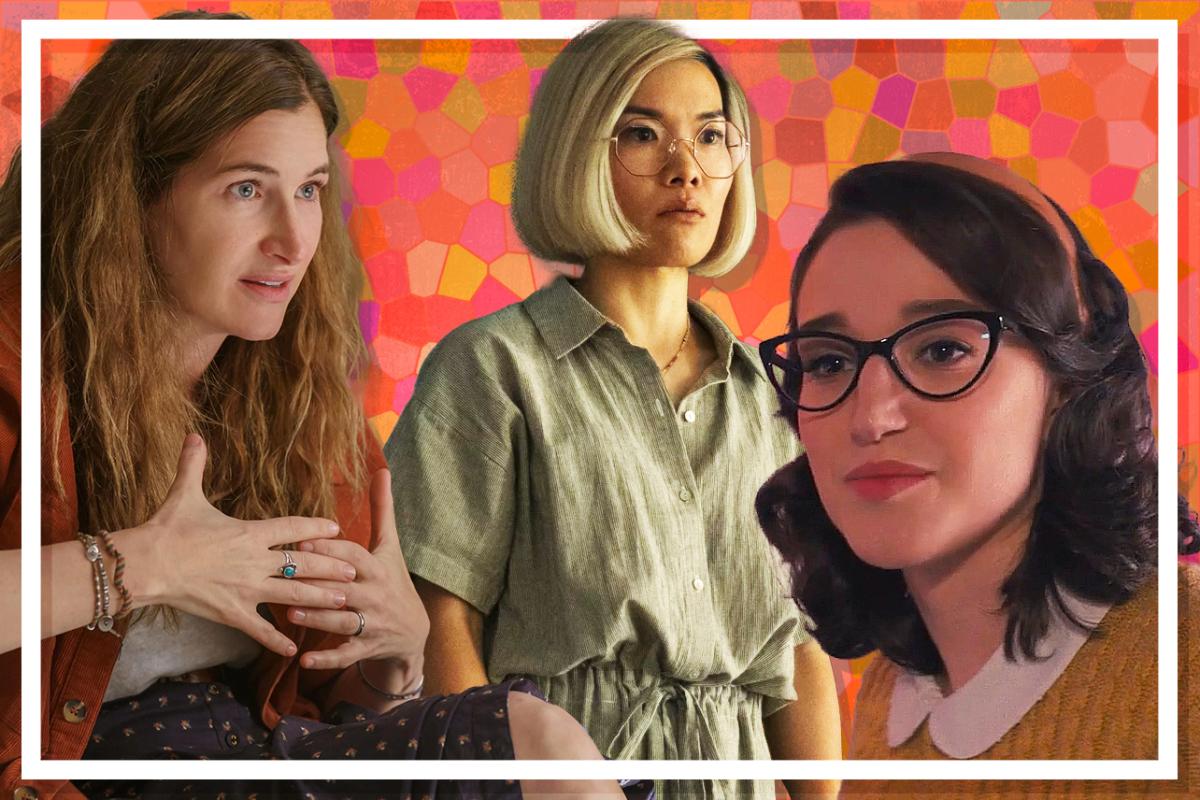
This weekend's streaming options include new shows and movies on Netflix, Hulu, and beyond. Among the highlights are Netflix's drama-comedy Beef, Hulu's limited series Tiny Beautiful Things, and Paramount+'s Grease: Rise of the Pink Ladies. Other options include new releases on HBO Max, Amazon Prime Video, Disney+, Apple TV+, Showtime, and Starz.
Hulu's Tiny Beautiful Things, based on Cheryl Strayed's collection of essays, is a poignant and emotional drama that follows the story of Clare (Kathryn Hahn) as she regresses into her past and takes on an advice column. The show's unique brand of empathy appreciates its characters for who they were and who they are now. The series is a tearjerker that is rooted in the details of life and is capable of provoking full-on ugly cries.
Kathryn Hahn stars in the new Hulu series "Tiny Beautiful Things," based on the book by Cheryl Strayed. Hahn plays a fictional version of Strayed, who rose to fame as an advice columnist by blending memoir and advice. The show follows Hahn's character, Clare Pierce, as she navigates her own messy life while offering guidance to others. While the show is lighter and more nimble than its synopsis suggests, the source material can feel out of place in its own adaptation.