The NFL and Microsoft have extended their partnership to incorporate AI-powered tools like Copilot and Azure AI, enhancing real-time decision-making on the sidelines and improving overall game operations, with a focus on speed, security, and data analysis to give teams a competitive edge.
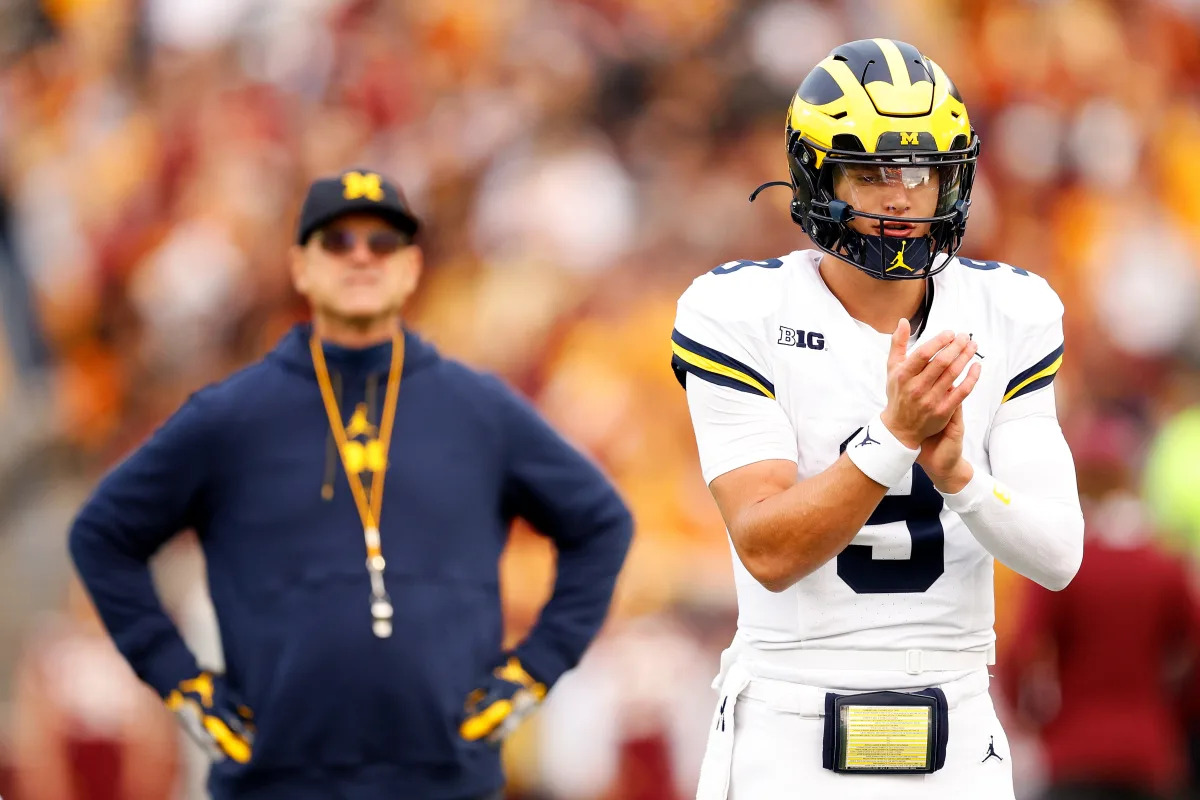
College football leaders are expected to finalize a recommendation for the adoption of a player-to-coach helmet communications system, the use of tablets on the sideline and in the halftime locker room, and a two-minute timeout in the college game, mirroring some of the NFL's technological advancements. The move comes after years of hesitation due to cost concerns, and it is expected to greatly reduce the sideline art of signing in plays while enhancing communication and in-game video review capabilities.
College football is experimenting with new technologies, including smart tablets on the sideline and coach-to-player helmet communications on the field, during bowl games to evaluate their potential permanent adoption. The use of these technologies has been supported by administrators, coaches, and players as a way to modernize sideline communication and improve the game. However, the adoption of these technologies has been slow due to cost-containment reasons and concerns from helmet manufacturers. The NCAA Rules Committee will need to devise a permanent policy, including restrictions on coach-to-player communication and the number of players with helmet microphone capability, before wireless communication can be fully implemented in college football.