Sears, once a retail giant, is nearing its end with only five stores remaining, as its former savior, hedge fund manager Edward Lampert's plan to redevelop its properties into mixed-use developments has failed, leading Seritage Growth Properties to offload its assets and pay down debt.
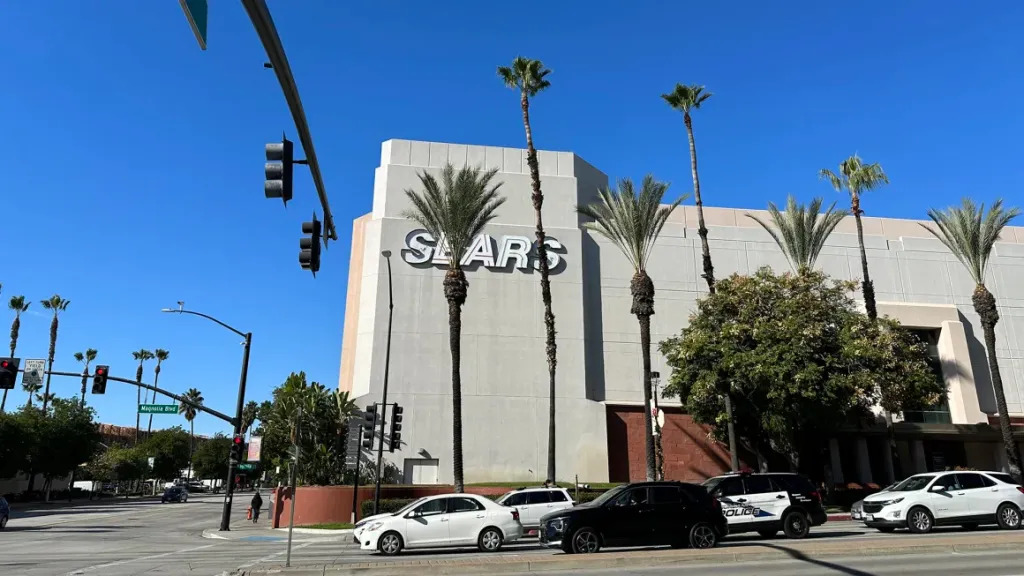
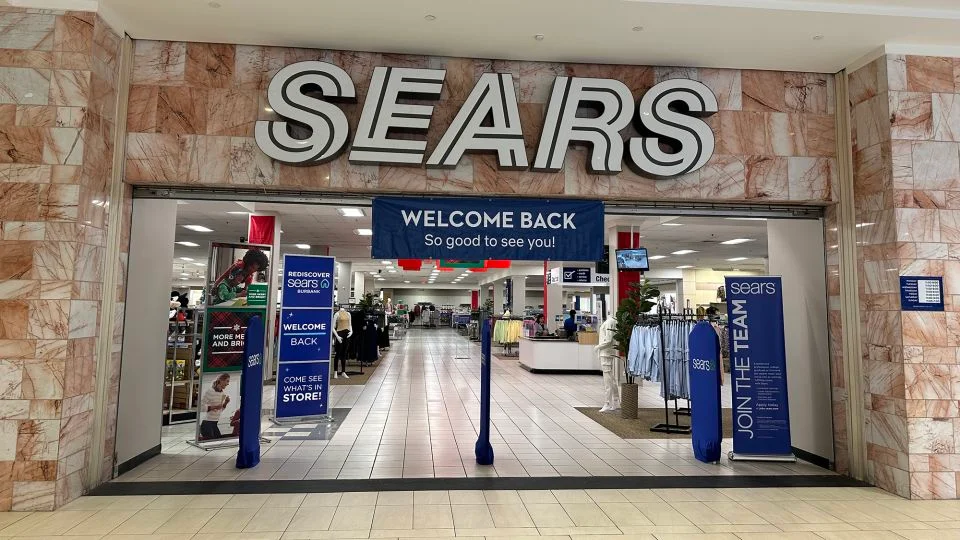
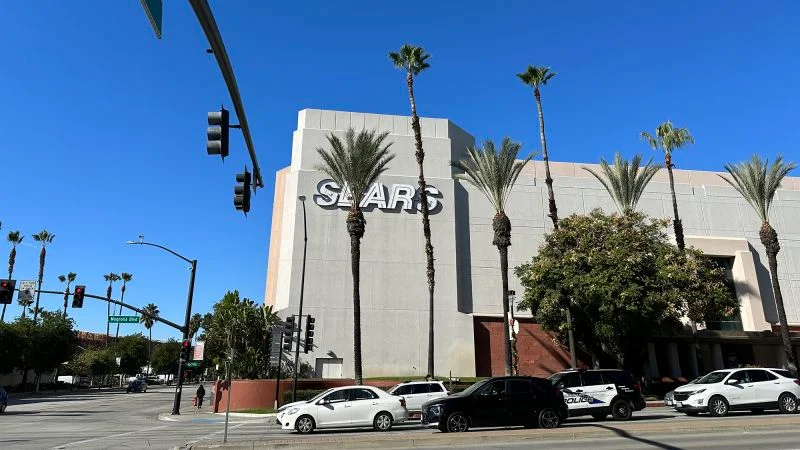
Sears, the once-prominent American retailer that faced bankruptcy and store closures, has quietly reopened two locations in Burbank, California, and Union Gap, Washington. The newly reopened Burbank store resembles a typical American department store, but foot traffic remains sparse. The future plans for Sears under its parent company, Transformco, are unclear, and some experts believe the relaunch is not a serious attempt at revival. However, loyal customers and employees express hope for the brand's revival and suggest that Sears should embrace innovation and consult with the younger generation to adapt to modern shopping preferences.
Troubled retailer Sears has quietly reopened two stores in Burbank, California, and Union Gap, Washington, after a 2018 bankruptcy and numerous store closures. The newly reopened stores resemble the traditional American department store, but foot traffic remains sparse. The future of Sears under its parent company, Transformco, remains uncertain, with some speculating that the brand's relaunch is not a serious attempt at revival. However, loyal employees and shoppers express hope for a successful comeback, while retail analysts suggest that a store with strong brand recognition like Sears could still make a comeback by embracing a more modern approach and catering to the preferences of younger generations.
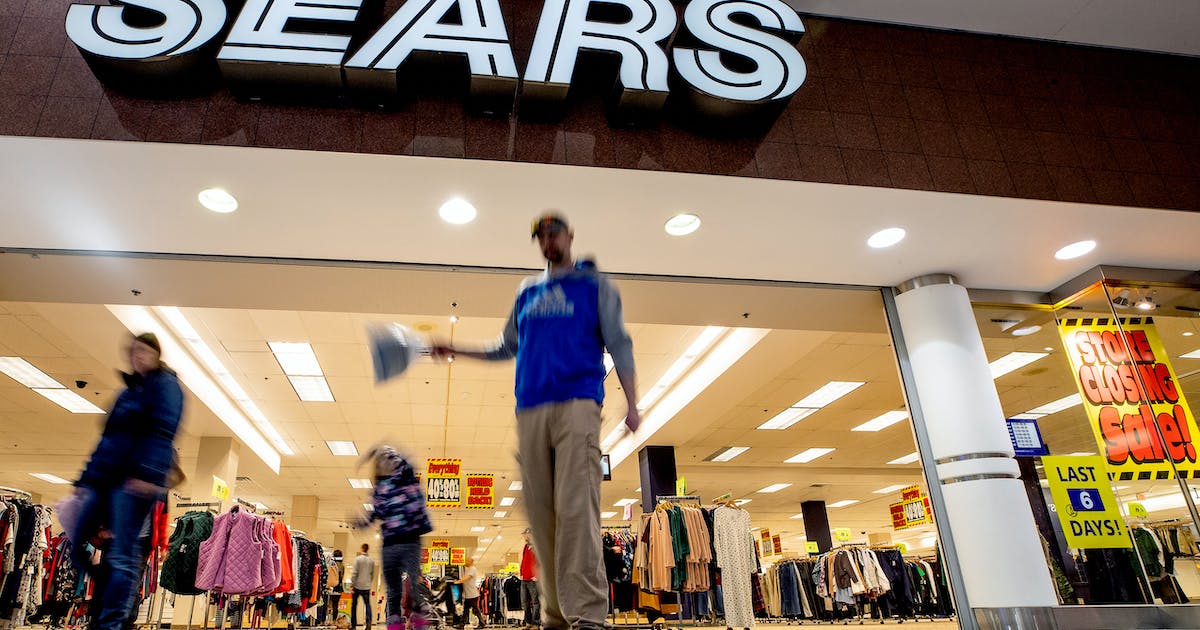
Troubled retailer Sears has quietly reopened two stores in Burbank, California, and Union Gap, Washington, after a 2018 bankruptcy and numerous store closures. The newly reopened stores resemble the traditional American department store, but foot traffic remains sparse. The future plans for Sears under its parent company, Transformco, are unclear, and some speculate that the reopening may be an attempt to monetize unused retail space. Retail experts are skeptical about Sears' revival prospects, citing challenges in the retail sector and a lack of interest from potential tenants. However, some shoppers and employees express hope for the brand's comeback if it embraces innovation and caters to the preferences of the younger generation.
Troubled retailer Sears has quietly reopened two stores in Burbank, California, and Union Gap, Washington, after a 2018 bankruptcy and numerous store closures. The newly reopened stores resemble the traditional American department store, but foot traffic remains sparse. The future plans for Sears under its parent company, Transformco, are unclear, and some speculate that the reopening is an attempt to monetize unused retail space. While some believe Sears could make a comeback with its strong brand recognition, others are skeptical about its chances for revival in the current retail landscape.
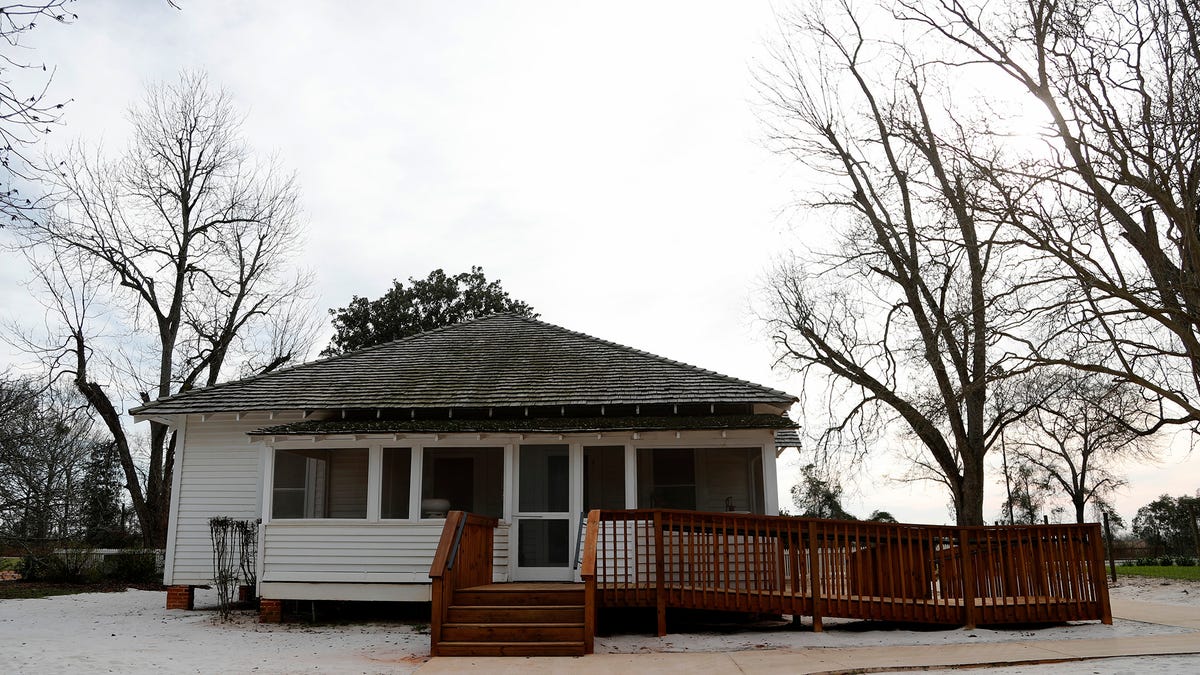
Sears was a pioneer in mail-ordered homes, selling between 70,000 and 75,000 houses before discontinuing its catalog in 1940. The retailer designed 447 different housing styles, shipped pieces for buyers to construct themselves or hire builders to do it. Today, the popularity of do-it-yourself, modest tiny homes is gaining traction in an era of shocking rent increases and low housing inventory. Maine recently became the first state to legally recognize tiny homes as a primary dwelling, and towns are altering zoning codes to comply with the new state law.
Sears was a pioneer in the mail-order home industry, offering "kit homes" through its Modern Homes catalog from 1908 to 1940. The retailer sold an estimated 70,000 to 75,000 houses, with many still standing today. Sears offered a variety of architectural styles and blueprints that buyers could construct themselves or hire builders to do it. The popularity of DIY, modest tiny homes today may have been inspired by Sears' early prefab homes.
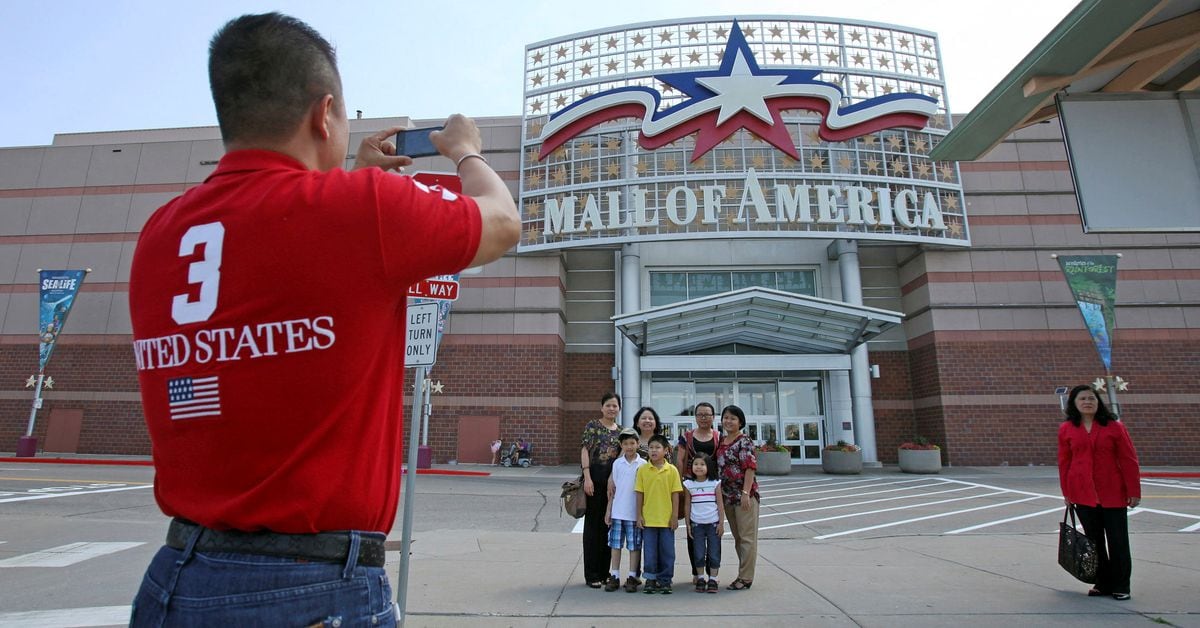
The US Supreme Court has ruled that the Mall of America can challenge a lease it made with Sears in 1991, which gave the retailer a 100-year lease on a three-story location for just $10 per year. After Sears went bankrupt in 2018, the retailer's owner sought to sublet the store to another tenant. The Mall of America objected, citing concerns about how subletting the space would affect the mall's business. The Supreme Court held that appeals are allowed, even if there are other limits to what bankruptcy courts can do to reverse a deal.
The U.S. Supreme Court has ruled in favor of the Mall of America in a lease battle over the former Sears space. The case centered around whether the mall could prevent a former tenant from opening a store in the space, and the court's decision affirms the mall's right to do so. The ruling is expected to have implications for commercial real estate leasing agreements across the country.
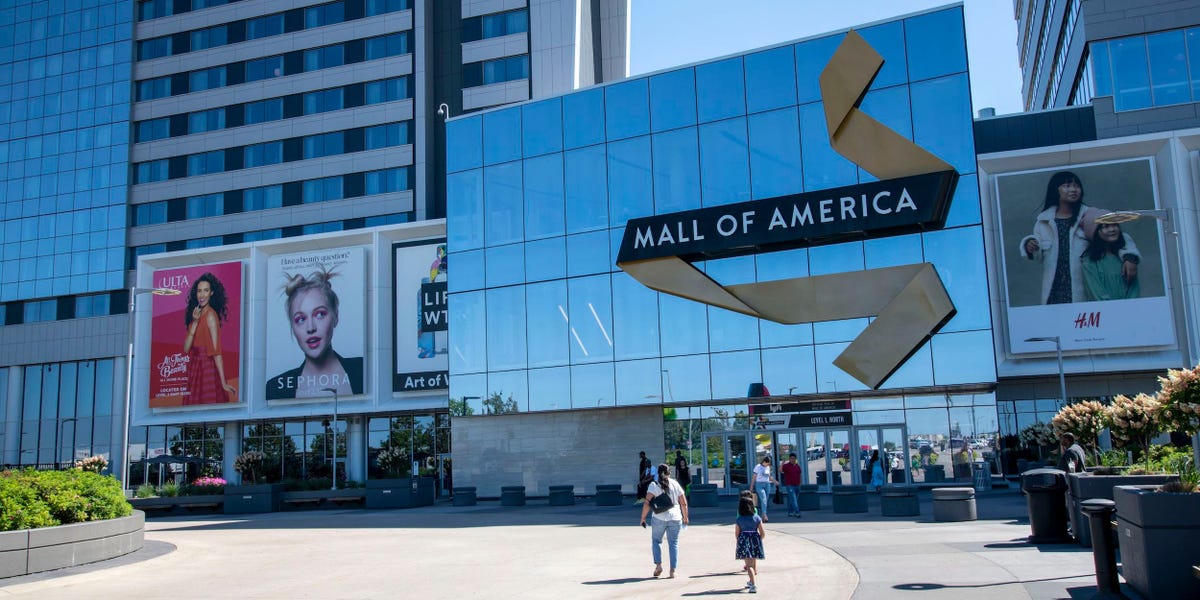
The US Supreme Court has ruled that the Mall of America can challenge a cheap lease it made decades ago with Sears Holdings Corp, which was subsequently sold to a new owner during the department store chain's bankruptcy. The ruling means that MOAC Mall Holdings can proceed with its challenge to the lease in a lower court as it seeks the ability to charge more to rent the space that Sears had occupied. The lease provided Sears with a three-story, 120,000-square foot location at the mall for a rent of just $10 a year.
The US Supreme Court has ruled that the Mall of America can challenge a cheap lease it made decades ago with Sears Holdings Corp, which was subsequently sold to a new owner during the department store chain's bankruptcy. The ruling means that MOAC Mall Holdings can proceed with its challenge to the lease in a lower court as it seeks the ability to charge more to rent the space that Sears had occupied. The company has argued that it should no longer be bound by a 100-year lease initially signed in 1991 with Sears, long a retail giant but a company that has since withered.