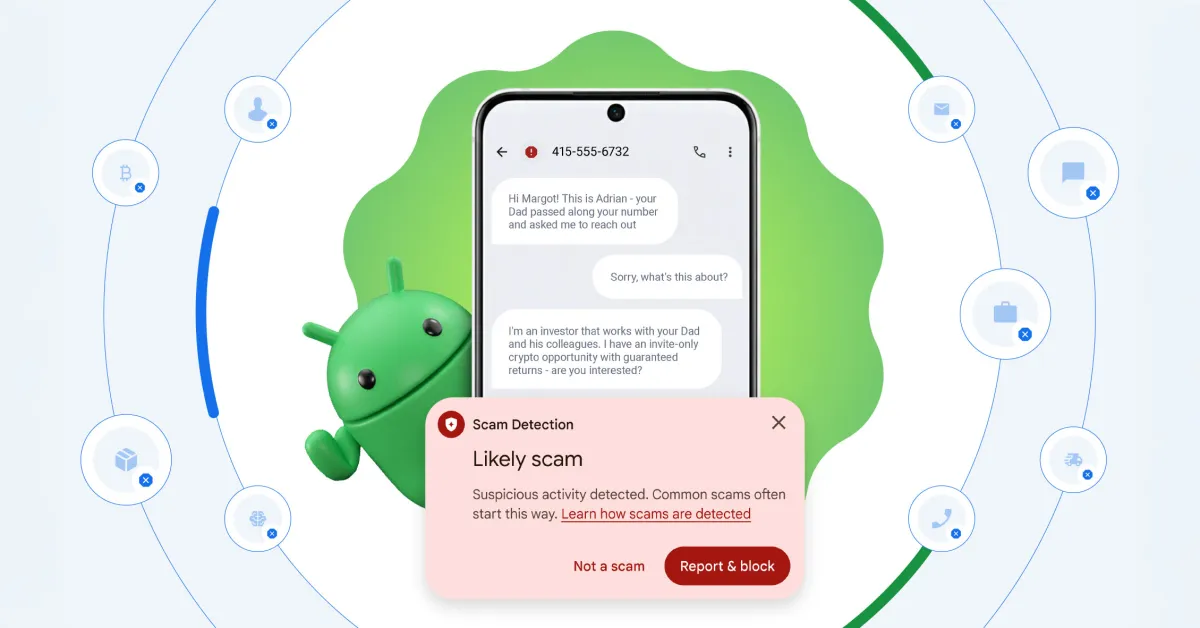
A Google and YouGov study reveals Android users are significantly better at avoiding scam and spam texts compared to iOS users, with Pixel users experiencing the least unwanted messages, thanks to Google's ongoing security measures and AI enhancements.
Americans receive billions of scam text messages every year, making it difficult to determine which texts are legit and which are scams. To protect yourself, delete texts that promise a free prize, low-interest credit offer, warn of suspicious activity, problems with a payment, or an invoice for a product you did not order. Never text personal information and call the business or bank that allegedly sent you the text. Amazon texts are also a common scam, so log onto Amazon to deal with any potential issue online instead.
The FCC has adopted new rules to reduce the number of scam texts Americans receive, requiring carriers to block texts from invalid, unallocated, or unused numbers, as well as numbers that the subscriber has self-identified as never sending text messages. The FCC also proposed requiring providers to block texts from entities cited as illegal robotexters and clarifying that Do-Not-Call Registry protections apply to text messaging. The move comes as complaints about scam texts have grown more than 500% from 2015 to 2022, and robotexts/scam texts are more of a threat to consumers than scam calls.