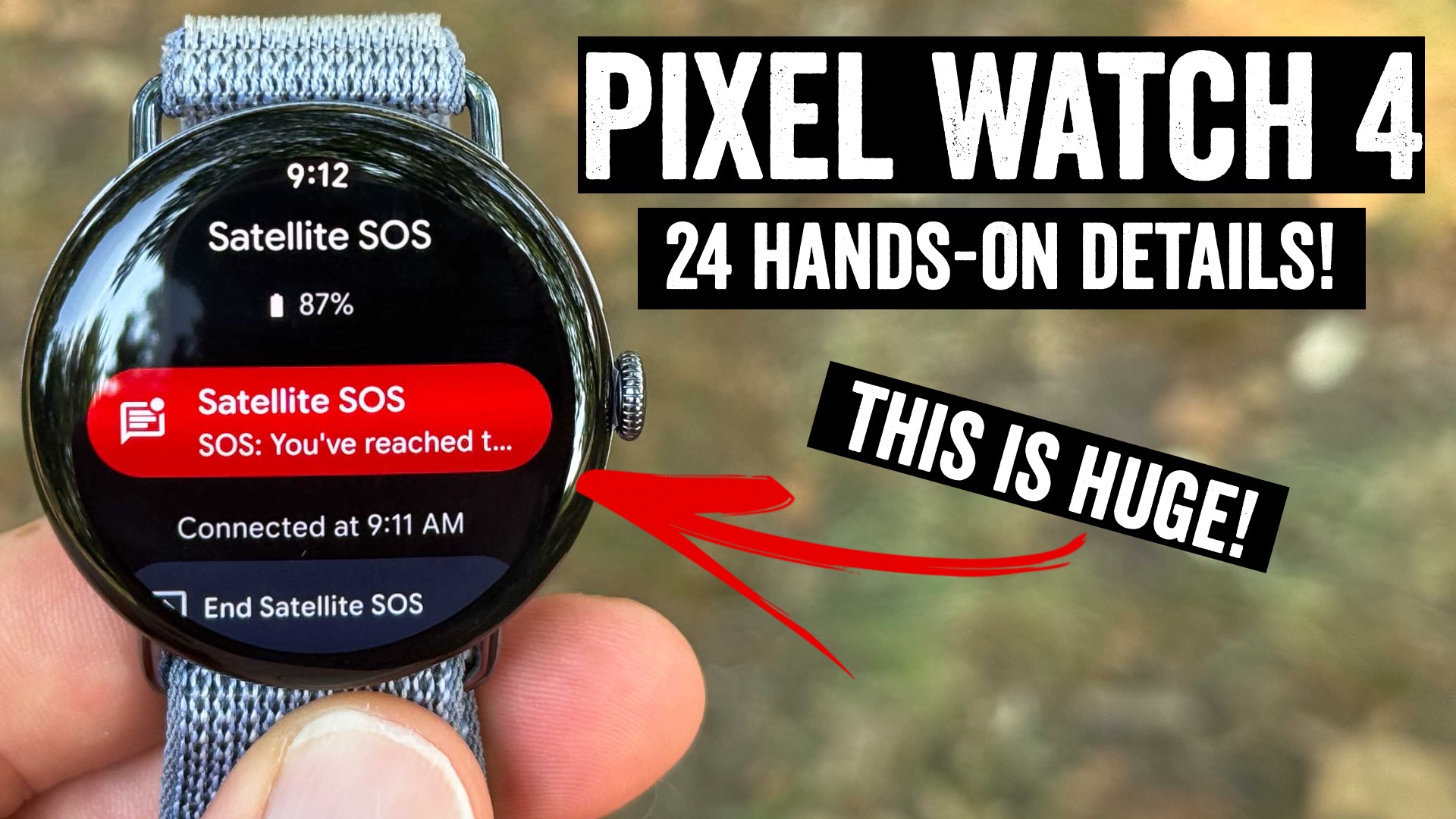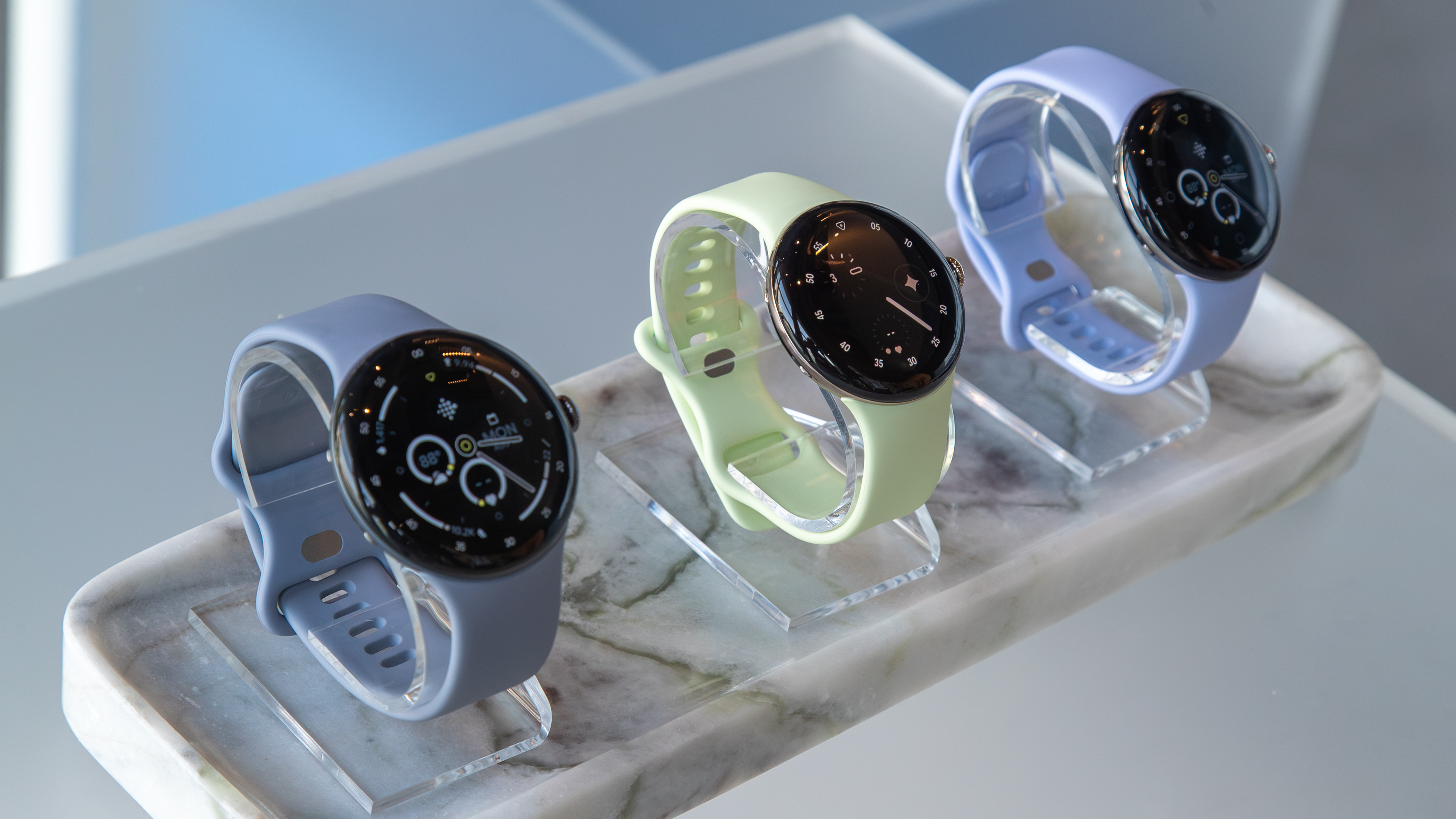
Google announced the Pixel Watch 4 with new features including Satellite SOS for emergency communication via satellites, a larger and domed display, faster hardware, user-serviceable battery and display, and expanded sports profiles. The watch runs Wear OS 6.0 with AI enhancements and will be available in October 2025, with pricing starting at $349 for the 41mm Wi-Fi model. The Satellite SOS feature, limited to LTE models and the US, is handled by Garmin's response center, offering a significant safety upgrade for outdoor enthusiasts.
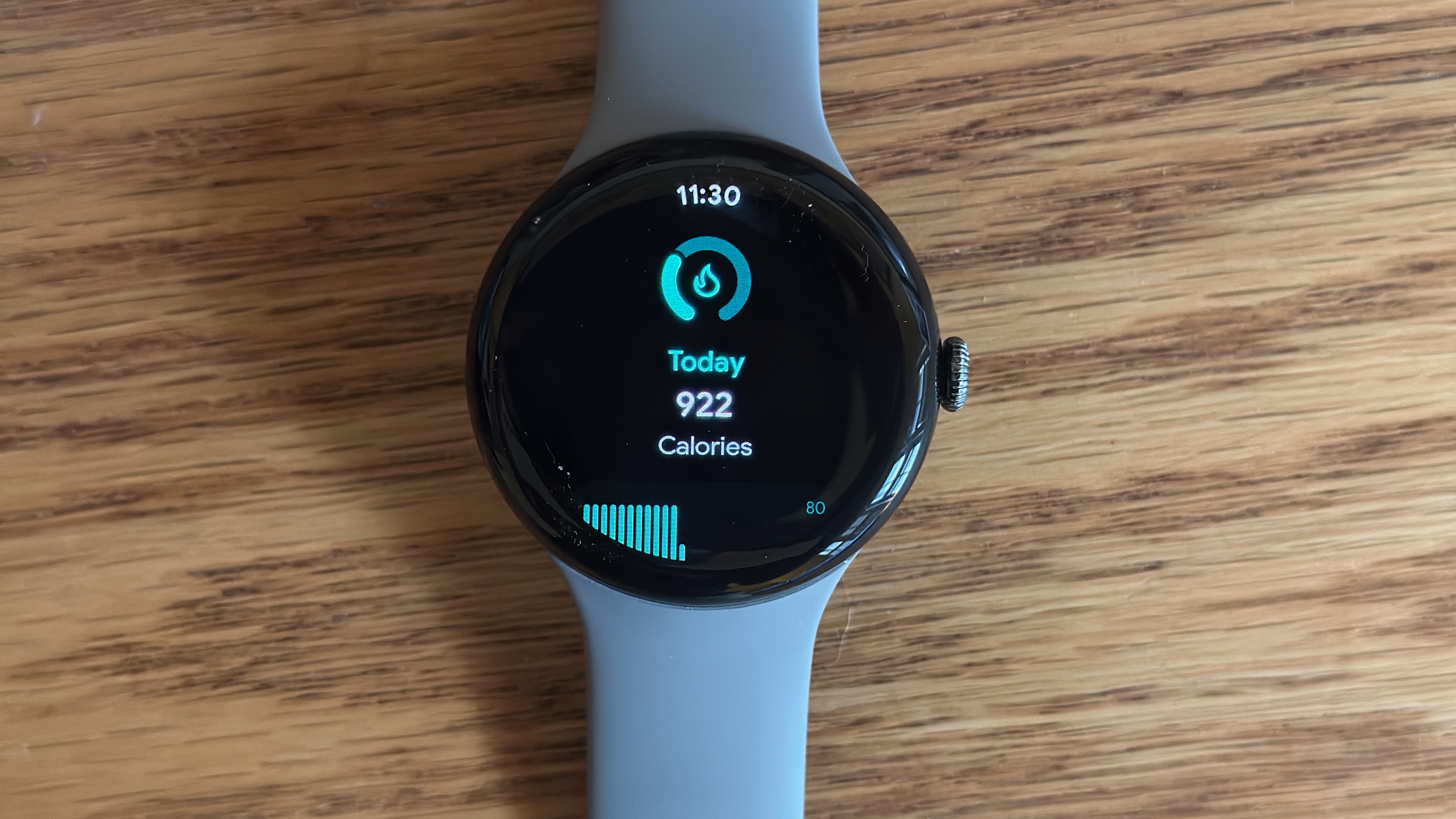
Google announced the Pixel Watch 4 with a larger, brighter display, up to 40 hours of battery life, faster charging, and new health and safety features including satellite SOS and heart health monitoring. It emphasizes serviceability with easier screen and battery replacements, and integrates with Google Gemini for smarter interactions. Available from October 9 starting at $349.
The Google Pixel Watch 4 introduces a refined design, upgraded Snapdragon chip, and new AI capabilities like Raise to Talk, along with improved battery life and satellite SOS, making it a competitive and innovative smartwatch set to launch in October at $349.
Google's upcoming Pixel Watch 4 is rumored to feature a redesigned, more repair-friendly build and enhanced emergency capabilities, including satellite SOS and blood oxygen alerts, with a full reveal expected at the August 20 event.
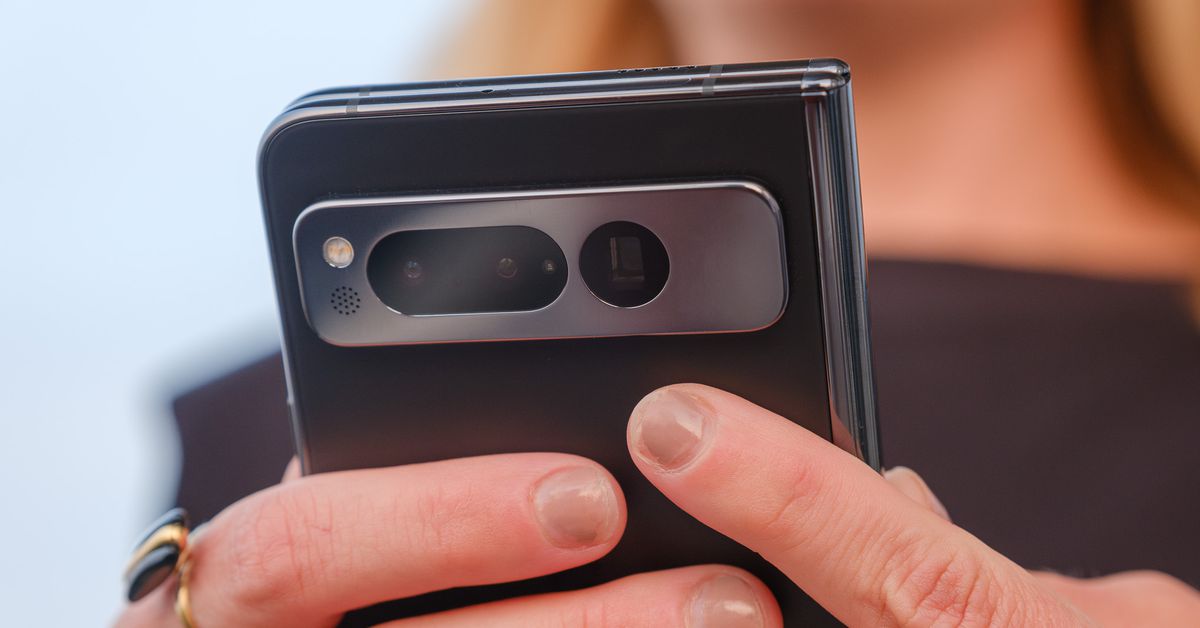
Google's upcoming Pixel 9 series, Pixel Fold 2, and a 5G-connected Pixel Tablet are set to receive a new Samsung modem, the 5400, which will support 3GPP Rel. 17 5G spec with satellite connectivity. This modem upgrade is expected to improve connectivity and power efficiency. Additionally, a "Satellite Gateway" app will be introduced for emergency satellite communication, and a UI for satellite alignment may be included. The Pixel Fold 2 may require unfolding for this feature. This move marks a shift away from Qualcomm modems to Samsung, aligning with Google's Tensor chip strategy.
Google is reportedly preparing to introduce a "Satellite SOS" feature for its Pixel lineup, allowing users to text and call emergency services with location, medical information, and contacts. The feature was discovered in the code of the Adaptive Connectivity Services app's latest update, hinting at a potential partnership between Google and Garmin. This aligns with previous rumors of collaboration between the two companies to bring satellite-based emergency services to Google Messages. Additionally, Android 14 is confirmed to support direct satellite connectivity, although specific Pixel models that will receive this feature remain unknown.
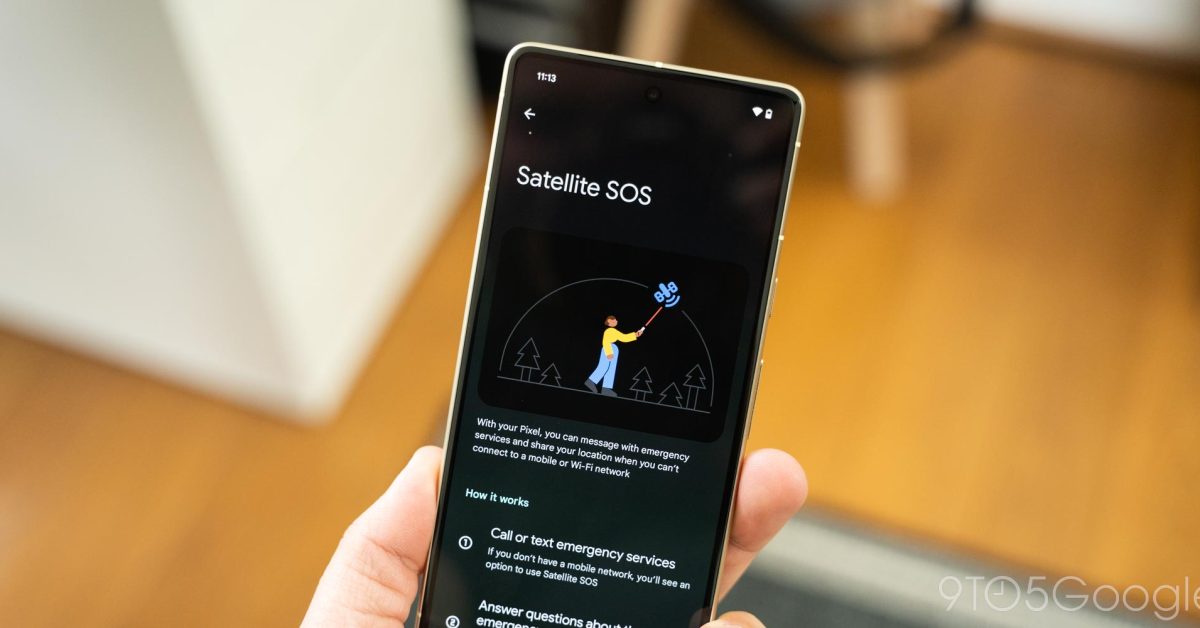
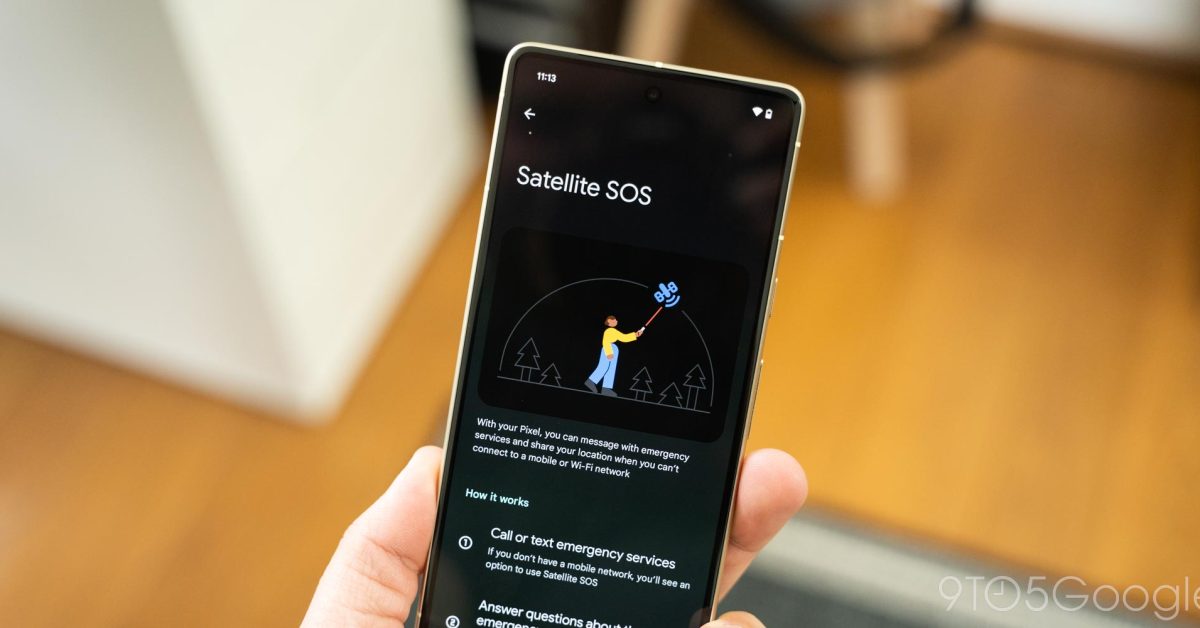
Google Pixel phones are showing a new "Satellite SOS" feature in the Safety & emergency settings, although it is currently non-functional. The feature will allow users to message emergency services and share their location when unable to connect to a mobile or Wi-Fi network. It will also share user and device information with emergency services and satellite service providers. While the support page for countries and a Garmin Search and Rescue Insurance plan are not live yet, the appearance of the feature on Pixel phones suggests it may be launched soon.
Google is planning to introduce a "Satellite SOS" feature to its Pixel devices, allowing users to message emergency services and share their location when unable to connect to a mobile or Wi-Fi network. Similar to the iPhone's Emergency SOS via satellite capability, the feature will enable users to call or text emergency services using a satellite connection and share their location via Google Maps. It's unclear which Pixel devices will receive this feature and when it will be released, but it's expected to be a valuable addition to Google Pixel phones.
Google is reportedly developing a satellite SOS feature for Google Messages, allowing users to text emergency services from remote areas without a conventional cell signal. Early code in the Google Messages app suggests integration with Garmin and its emergency Garmin Response service, which utilizes the Iridium satellite network. However, Garmin's service requires a monthly subscription fee. Apple already offers a similar feature on iPhone 14 and 14 Pro, while Qualcomm is also working on adding support for SOS messaging via Iridium. Google's move may indicate the company's intention to support satellite internet service in Android 14 and develop its own infrastructure for emergency tech.