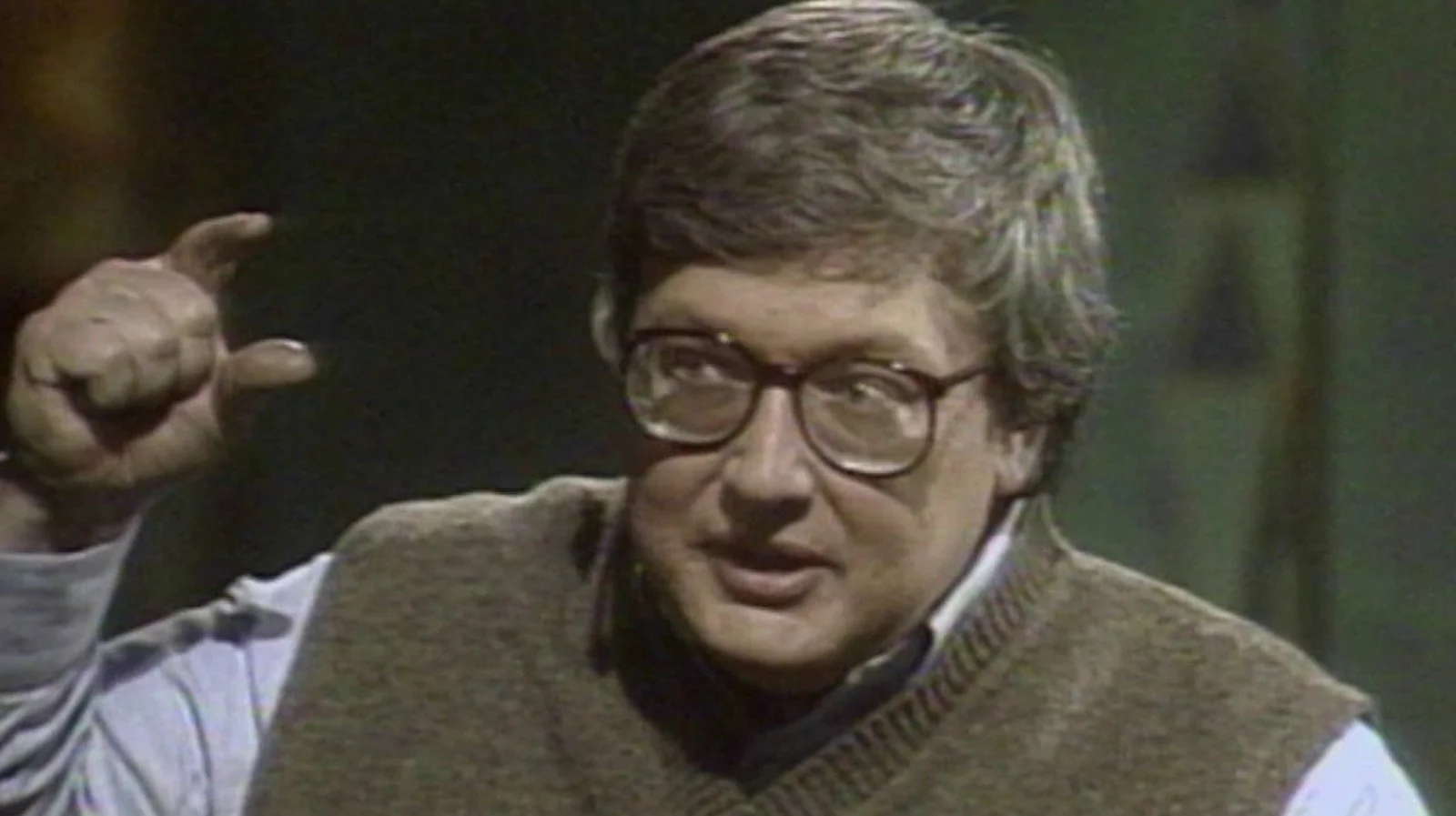
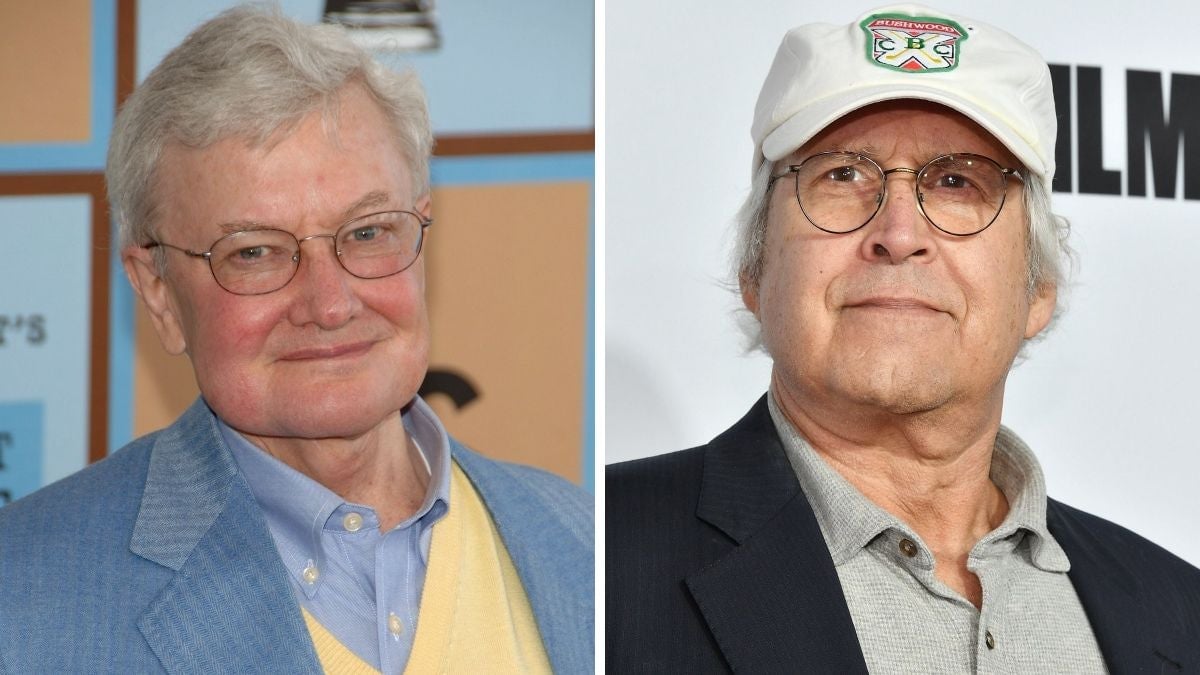
A look back at Roger Ebert’s infamous exits from films—most notably his sprint from Rod Amateau’s 1971 The Statue, which he called one of the worst films and ideas—illustrating his blunt, influential approach to film criticism across the decades.
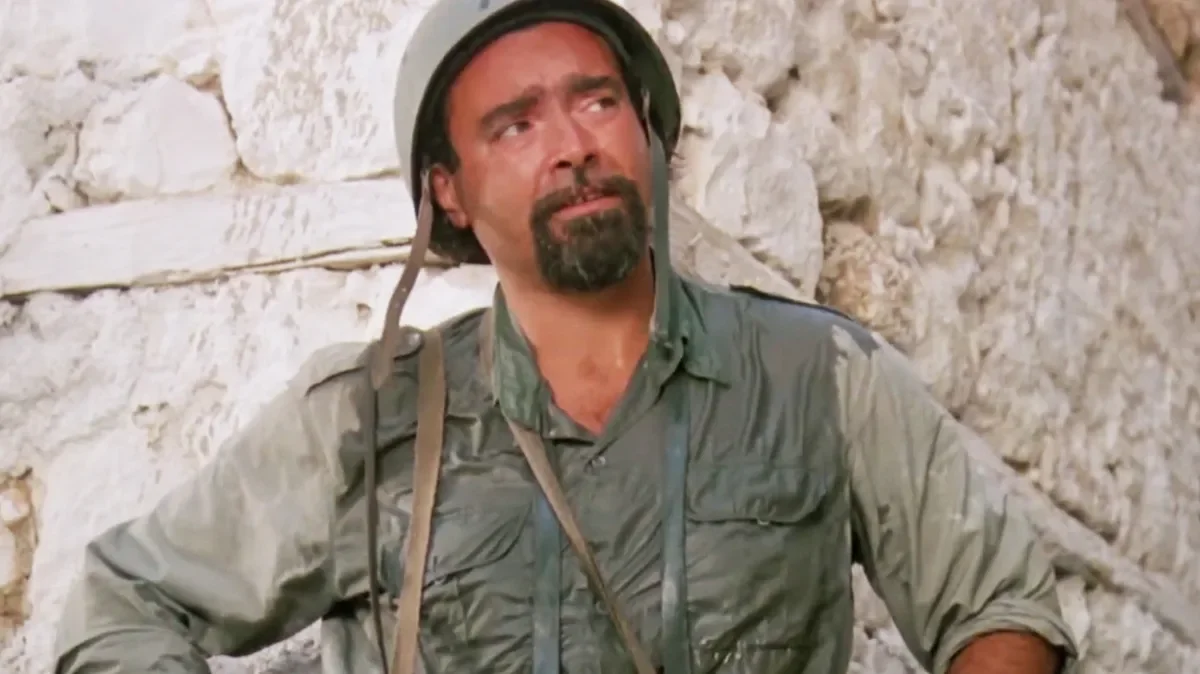
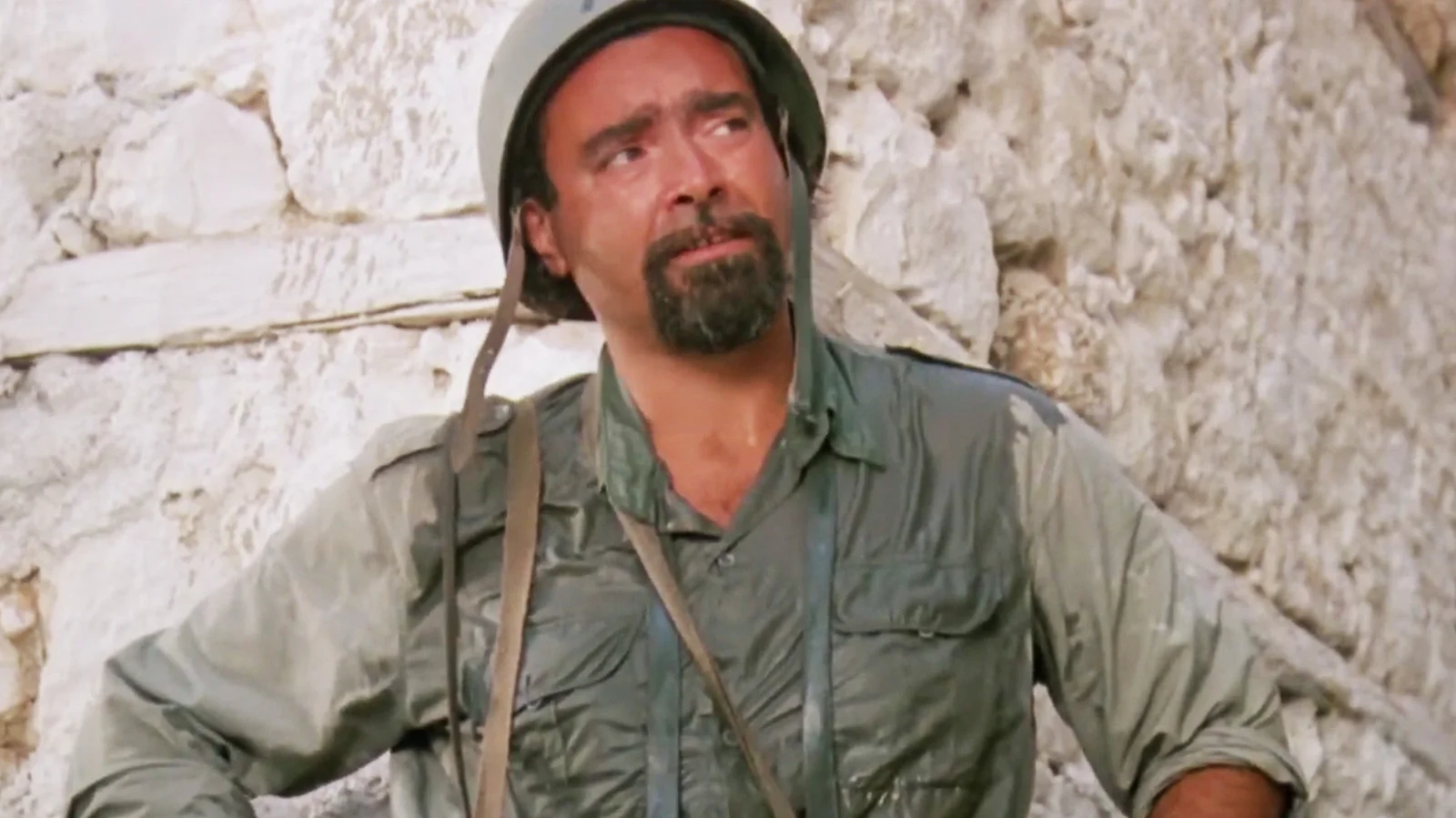
Renowned critic Roger Ebert walked out of Mediterraneo, Salvatores’ WWII-set comedy-drama that won the 1992 Best Foreign Language Film Oscar, calling it 'utterly without redeeming merit'—the only film he publicly said he couldn’t sit through, a claim often discussed alongside later reflections on his walkouts.
The piece recalls Roger Ebert's infamous walkout from Mediterraneo (1991), the Oscar-winning Italian war comedy-drama, which he labeled “utterly without redeeming merit,” making it the only film he said he could not finish, despite the film winning Best Foreign Language Film at the Oscars and achieving notable US box office.
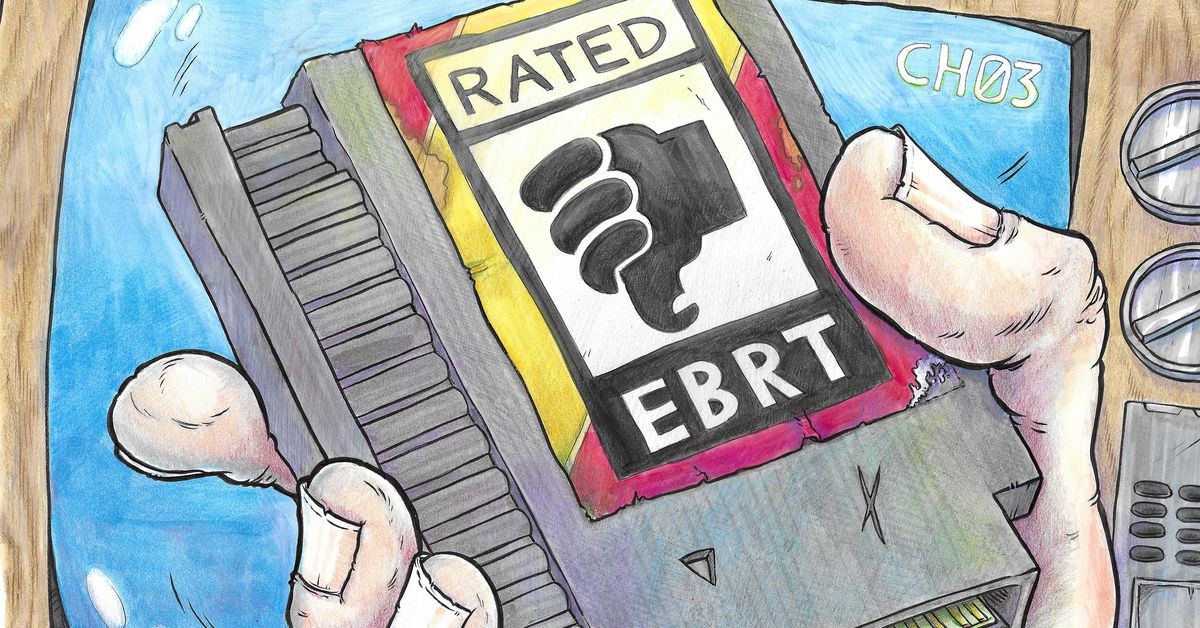
Roger Ebert's 2010 assertion that video games can never be art continues to spark debate in 2024, highlighting the gaming industry's ongoing struggle for artistic validation despite mainstream success and recognition. Ebert's skepticism, echoed by some within the industry, underscores a deeper insecurity about the medium's cultural worthiness.
RogerEbert.com has released its list of the ten best films of 2023, featuring a diverse range of movies that made an impact throughout the year. The list includes films such as "All Dirt Roads Taste of Salt," a debut feature that challenges storytelling conventions; "Are You There, God? It's Me, Margaret," a relatable coming-of-age film; "Barbie," a delightful and thought-provoking exploration of the iconic doll; "Poor Things," a visually stunning period piece with a feminist twist; "The Zone of Interest," a haunting Holocaust drama; "Asteroid City," a visually innovative and mysterious film; "May December," a complex character study; "Oppenheimer," an epic and emotionally resonant portrayal of J. Robert Oppenheimer; "Past Lives," a poetic exploration of mourning; and "Killers of the Flower Moon," a monumental adaptation of a non-fiction bestseller.
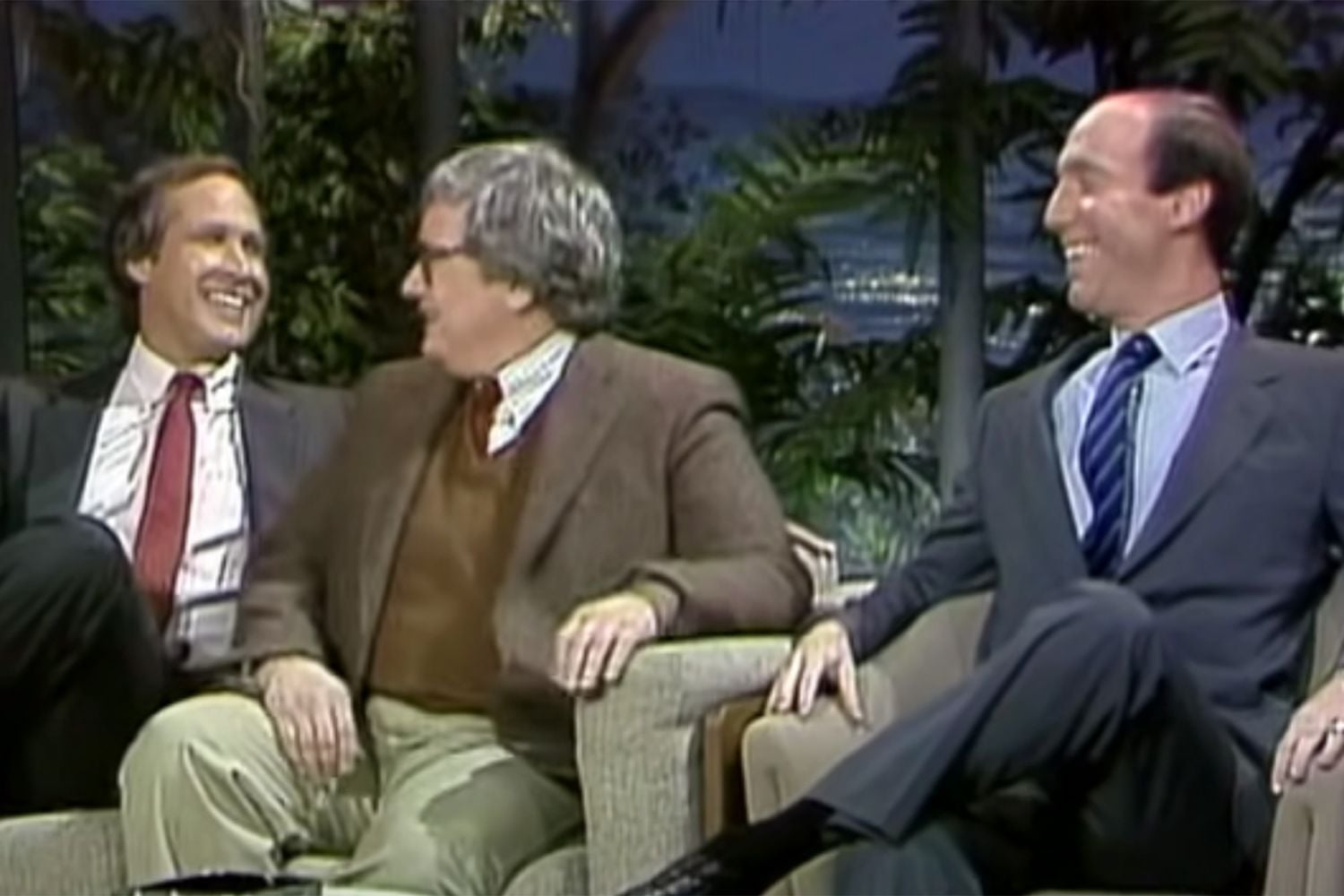
Roger Ebert and Gene Siskel criticized "The Three Amigos" to Chevy Chase's face on "The Tonight Show" in 1986, leading to a realization about the appeal of their show. Chase later admitted he didn't like the movie either, but it was the response from viewers that changed Ebert and Siskel's approach to their work. They realized that people appreciated their honesty and truthfulness in film criticism, which helped explain the popularity of their show.
In a new book about film critics Roger Ebert and Gene Siskel, author Matt Singer recounts a memorable encounter on The Tonight Show in 1986 when Ebert criticized the movie "The Three Amigos" to Chevy Chase's face. Despite sitting next to Chase, Ebert candidly expressed his dislike for the film, prompting a sarcastic response from Chase. This incident highlighted the fearlessness and authenticity that made Siskel and Ebert successful in their talk show appearances, as they were unafraid to express their honest opinions about movies.
In a retrospective of Martin Scorsese's films, Roger Ebert's reviews are revisited, showcasing the undeniable talent of the master filmmaker. From "Who's That Knocking at My Door?" to "Killers of the Flower Moon," Ebert's reviews highlight Scorsese's ability to create compelling characters and explore themes of guilt, redemption, and the human condition. Matt Zoller Seitz and Brian Tallerico continue Ebert's legacy by providing reviews of Scorsese's films since his passing, further emphasizing the impact of Scorsese's work on the cinematic landscape.
"Love at First Sight" fails to deliver a plausible and compelling reason for the couple's separation, relying on a weak script and lackluster character development. The film follows Hadley and Oliver, who meet at an airport and feel an immediate attraction. However, their connection is not convincingly portrayed, and the story lacks depth and believability. The concept of fate is poorly executed, with an omniscient narrator guiding the characters. The talented cast does their best with underwritten characters, but the film ultimately falls short of delivering a satisfying romantic comedy experience.
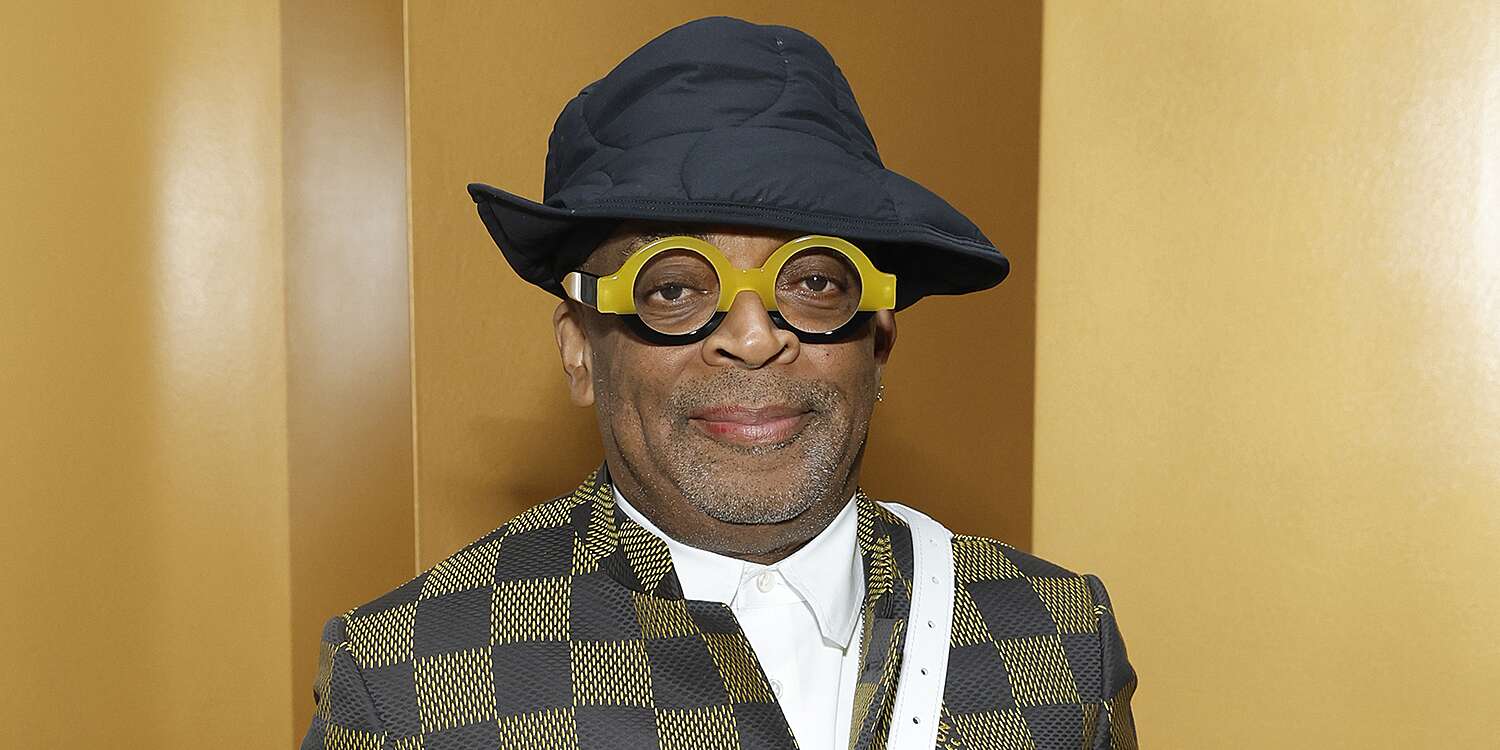
Spike Lee criticizes press critics who claimed his film "Do the Right Thing" would incite riots among Black people upon its release in 1989. While accepting the Ebert Director Award at the Toronto International Film Festival, Lee thanked late film critic Roger Ebert for supporting the film and standing behind him. He expressed frustration with the unfair reception of his project compared to more explicit movies, highlighting the double standards in the industry. "Do the Right Thing" is considered one of the best movies ever made and earned Lee his first Oscar nomination.