
The Library of Congress celebrated the 100th anniversary of George Gershwin's "Rhapsody in Blue" with a sold-out concert featuring the U.S. Air Force Band and pianist Simone Dinnerstein. The piece, which blends jazz and classical music, debuted in 1924 and has since become a cultural icon. The Library of Congress showcased the piece with an exhibit featuring materials from the past century, including handwritten lyric sheets and photographs from the George and Ira Gershwin collection.
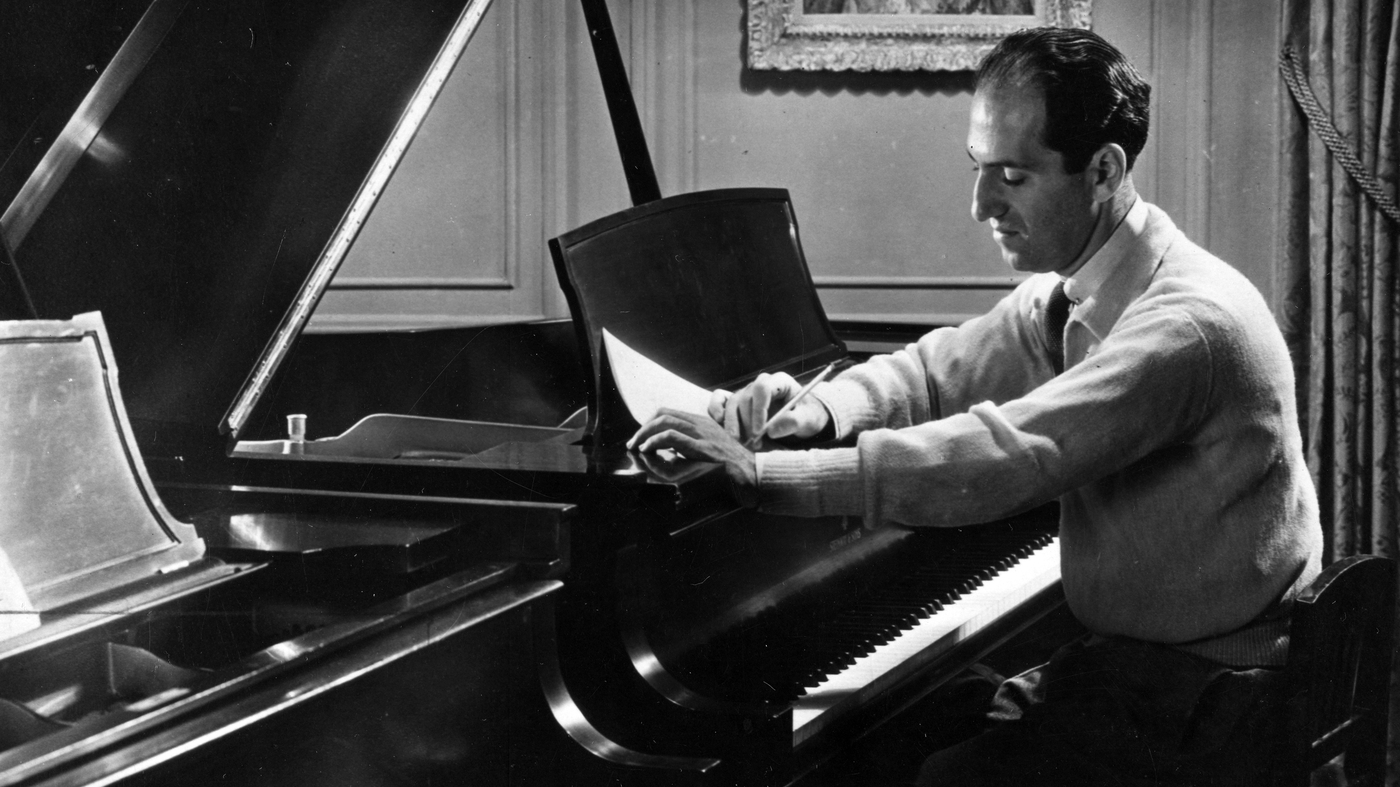
George Gershwin's groundbreaking Rhapsody in Blue, which premiered 100 years ago, successfully bridged the worlds of jazz and classical music, despite initial criticism from some in the classical music community. The piece, influenced by various cultural elements, has continued to inspire musicians and composers, leading to reimagined versions that incorporate Afro-Cuban and bluegrass flavors. Gershwin's work remains a testament to the vibrant gumbo of American culture and continues to resonate as a symbol of musical fusion and innovation.
George Gershwin's "Rhapsody in Blue" premiered 100 years ago and continues to enchant audiences, but its legacy and unfulfilled promise are being reconsidered. While the piece is widely celebrated, it has also been criticized for not fully delivering on its bold proposal to fuse African American ragtime and blues into a virtuoso concerto. The work's reception history and impact on American music are examined, with some arguing that it has hindered the exploration of new possibilities. Despite its flaws, "Rhapsody in Blue" remains a beloved classic that reflects the nation's complex relationship with African American music and technique.