The IDF's Nahal Brigade uncovered multiple rocket launchers and tunnels hidden in mosques and orchards near Jabalya refugee camp in Gaza. The launchers were found buried in the ground, allowing for quick unaimed launches towards Israel. The weapons and rockets were located near civilian buildings, schools, and residences in the area.
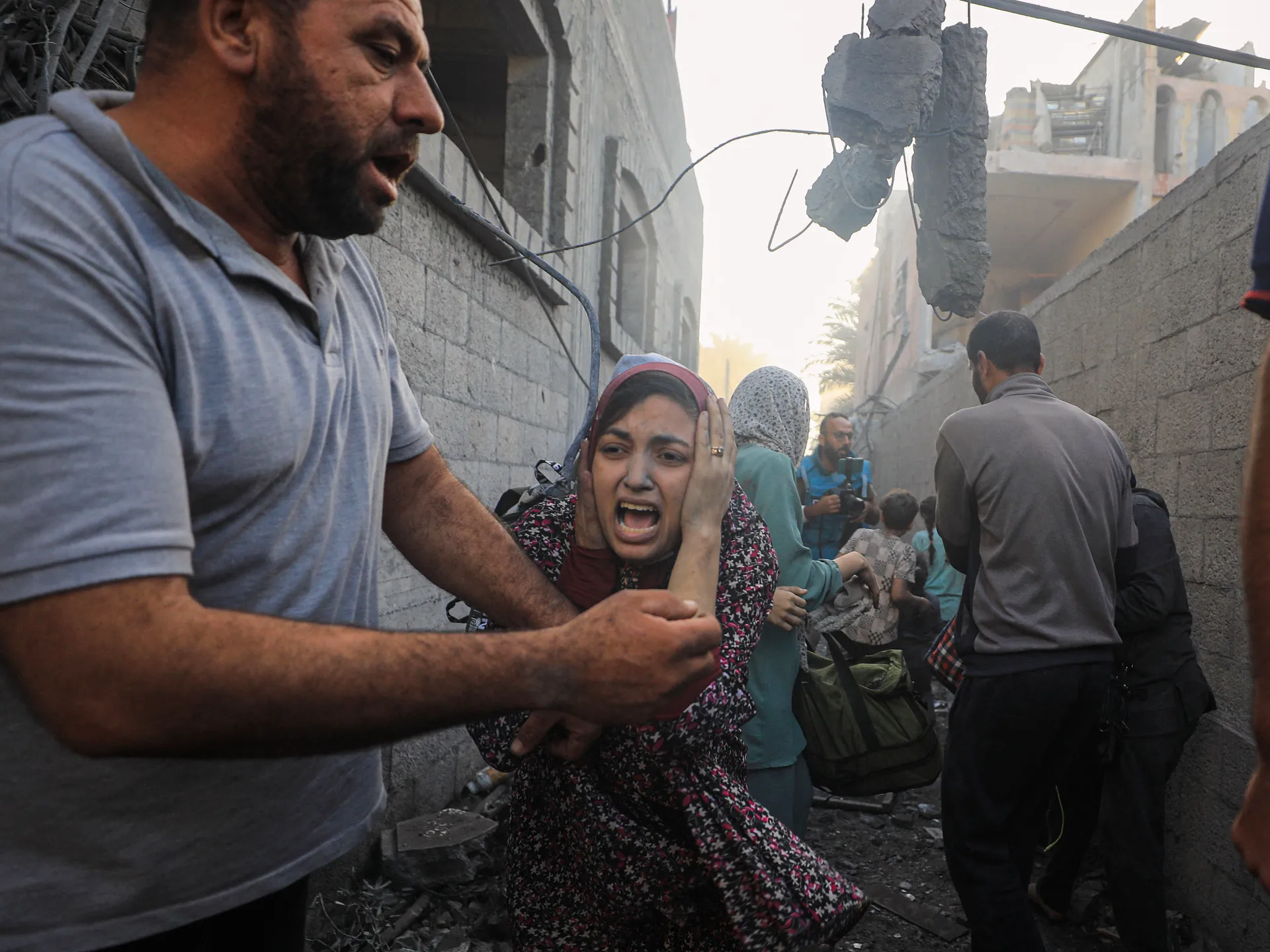
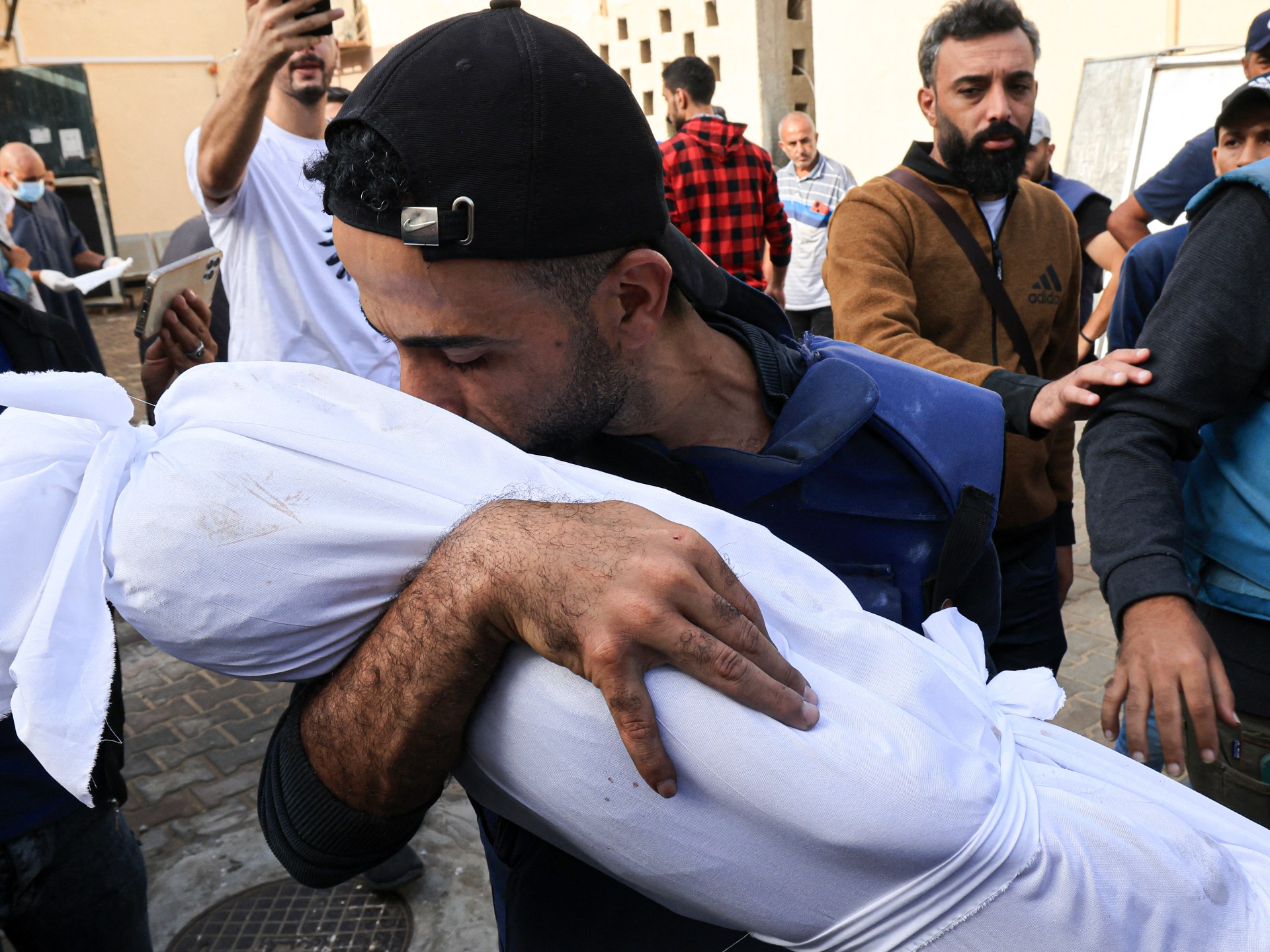
Israel's military has bombed multiple refugee camps in Gaza, including the al-Maghazi camp, resulting in the deaths of nearly 50 people. The ongoing Israeli attacks have led to over 10,000 Palestinian casualties, including many children, and have caused a humanitarian crisis with limited access to essential goods. United Nations chief Antonio Guterres has called for a humanitarian ceasefire, highlighting the extensive damage to hospitals, mosques, churches, and UN facilities. The Israeli military has repeatedly targeted refugee camps and UN shelters, exacerbating the dire situation in Gaza.
The death toll in Gaza rises to 9,770, with at least 4,008 children killed, as Israeli airstrikes continue. On Sunday, an Israeli strike hit houses near a school in the Bureji refugee camp, killing at least 13 people. This was the third refugee camp to be targeted in the past 24 hours, with over 50 Palestinians killed in attacks on al-Maghazi and Jabalia camps. Residents describe the strikes as a "true massacre" and refute claims of resistance fighters in the camps. Israeli planes dropped leaflets urging people to head south, but there is skepticism due to the ongoing attacks on refugee camps. The UN reports that 1.5 million people are internally displaced in Gaza. US Secretary of State Antony Blinken met with Palestinian President Mahmoud Abbas, calling for humanitarian pauses, while Egypt and Jordan called for an immediate ceasefire. Israeli Prime Minister Benjamin Netanyahu rejected the idea of halting the offensive, citing the return of hostages as a condition for a ceasefire.
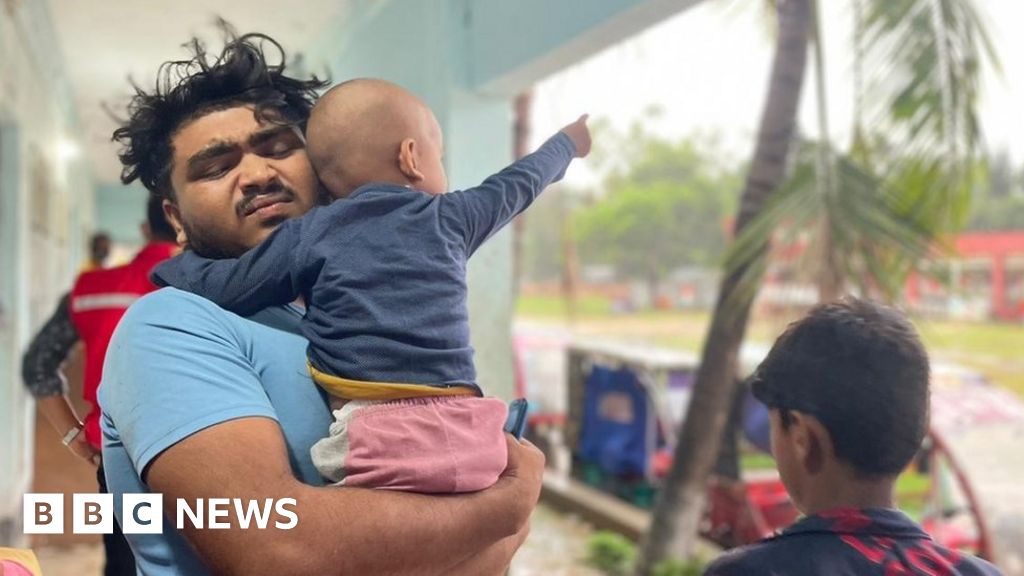
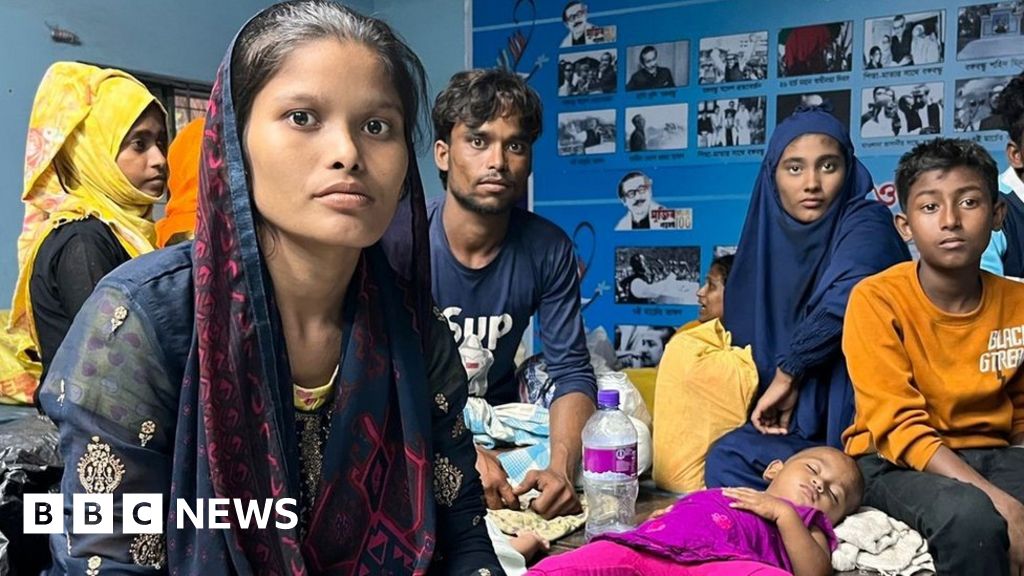
Cyclone Mocha, equivalent to a category-five storm, hit the coastlines of Bangladesh and Myanmar, leaving at least five people dead in Myanmar. More than 1,300 bamboo shelters in Cox's Bazar, the world's largest refugee camp, have been destroyed. Authorities say more than 500,000 people were evacuated from their homes in this south-eastern stretch of Bangladesh. Storm surges of up to four metres could swamp villages in low-lying areas. The Bangladeshi meteorological department office said the maximum sustained wind speed within 75km (45 miles) of the centre of the cyclone was about 195km/h (120mph), with gusts and squalls of 215km/h.
Bangladesh is evacuating around half a million people to safer areas as Cyclone Mocha, with winds of up to 170kph (106mph) and storm surges of up to 3.6m (12ft), is predicted to make landfall on Sunday. There are concerns the cyclone could hit the world's largest refugee camp, Cox's Bazar, where close to a million people live in makeshift homes. The UN says it is doing what it can to protect these areas. Bangladesh's government does not allow refugees to leave their camps, so many say they are frightened and unsure of what will happen if their shelters are hit by the storm.