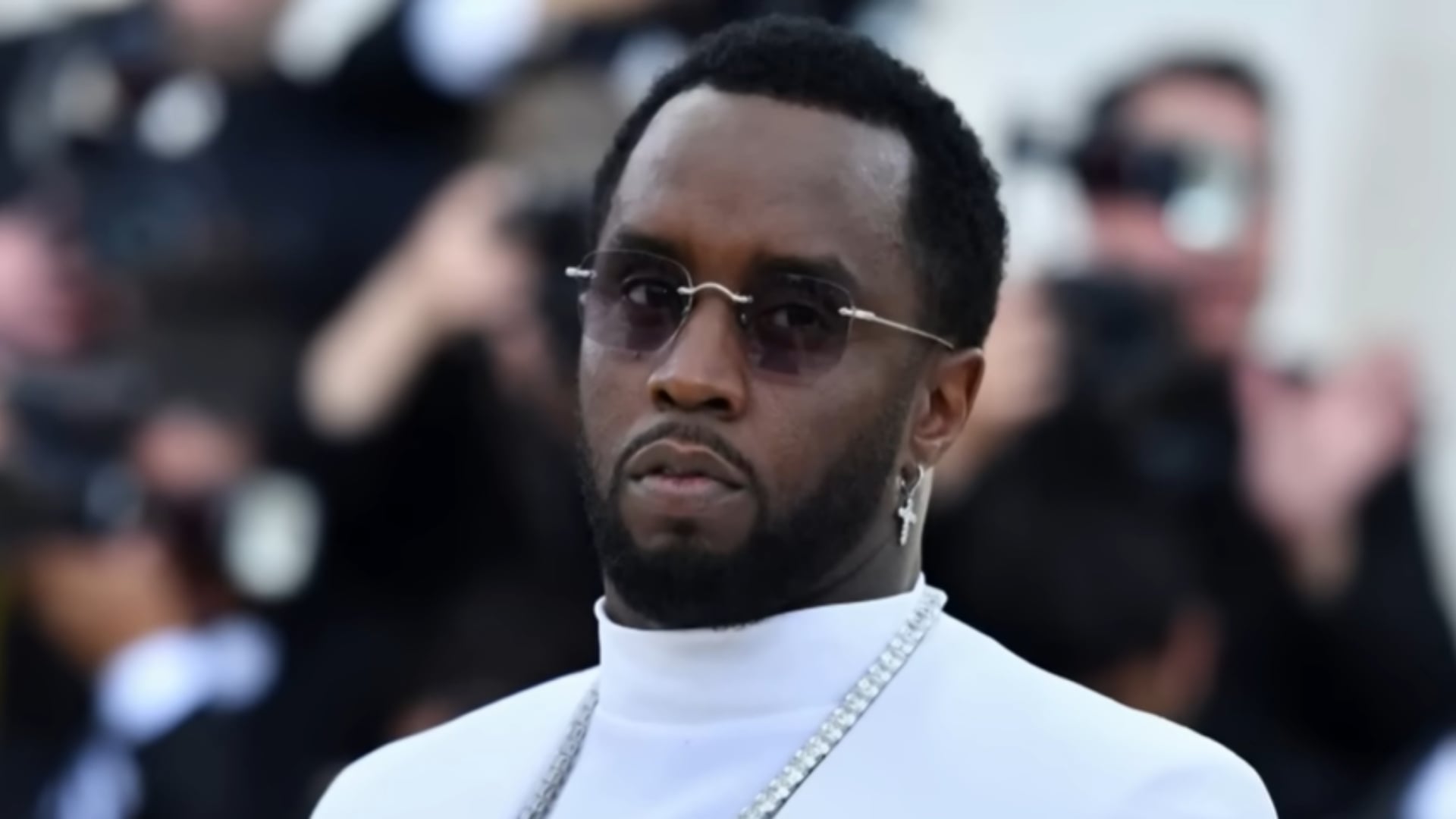
Sean 'Diddy' Combs is reportedly behaving arrogantly and flouting rules at Fort Dix prison, smuggling contraband and maintaining influence, while also boasting about a potential presidential pardon from Donald Trump, despite ongoing legal and disciplinary issues.
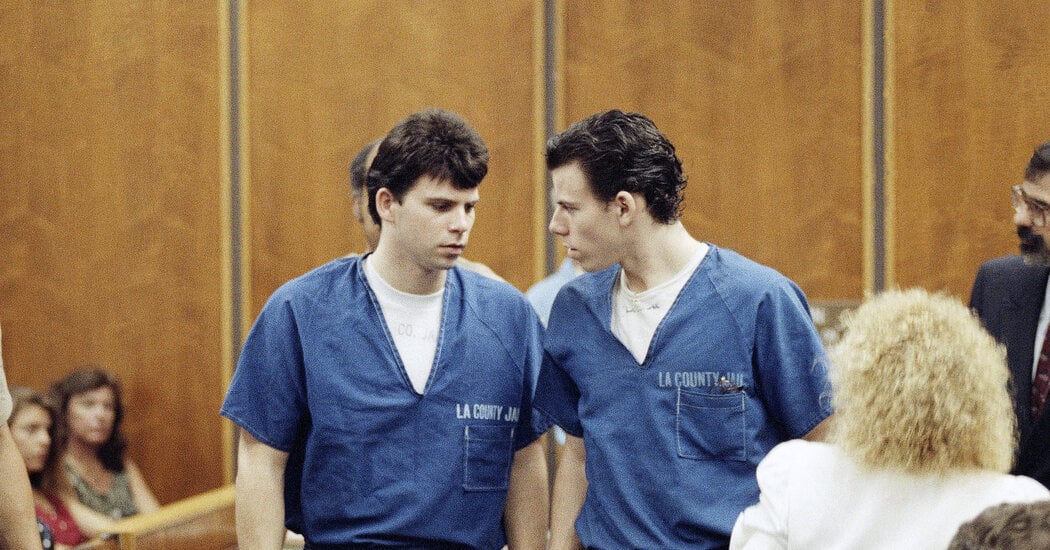
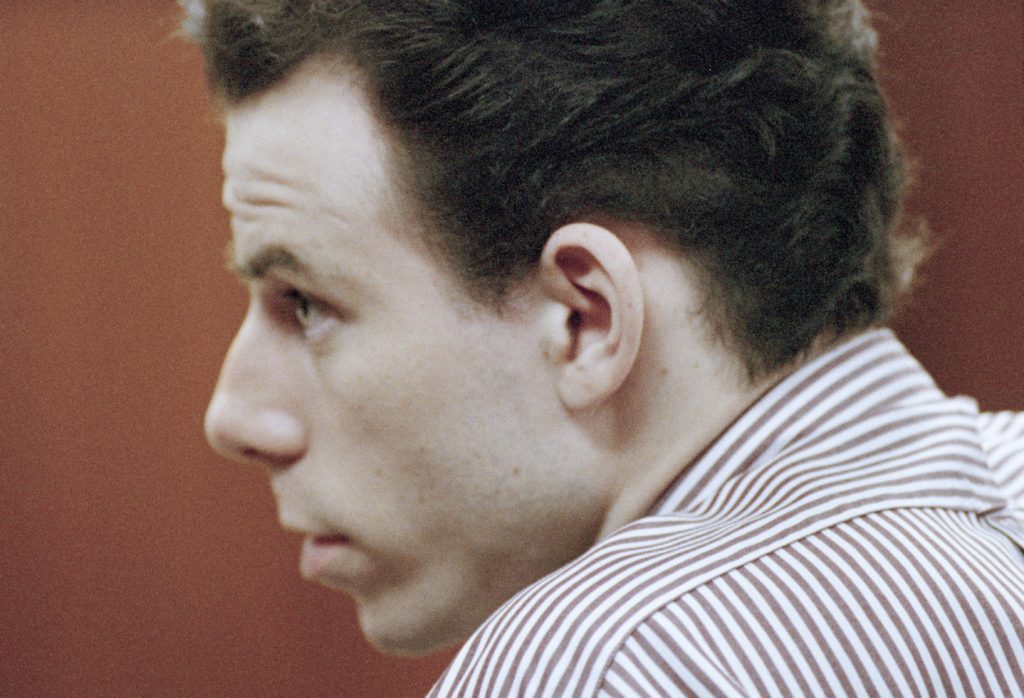
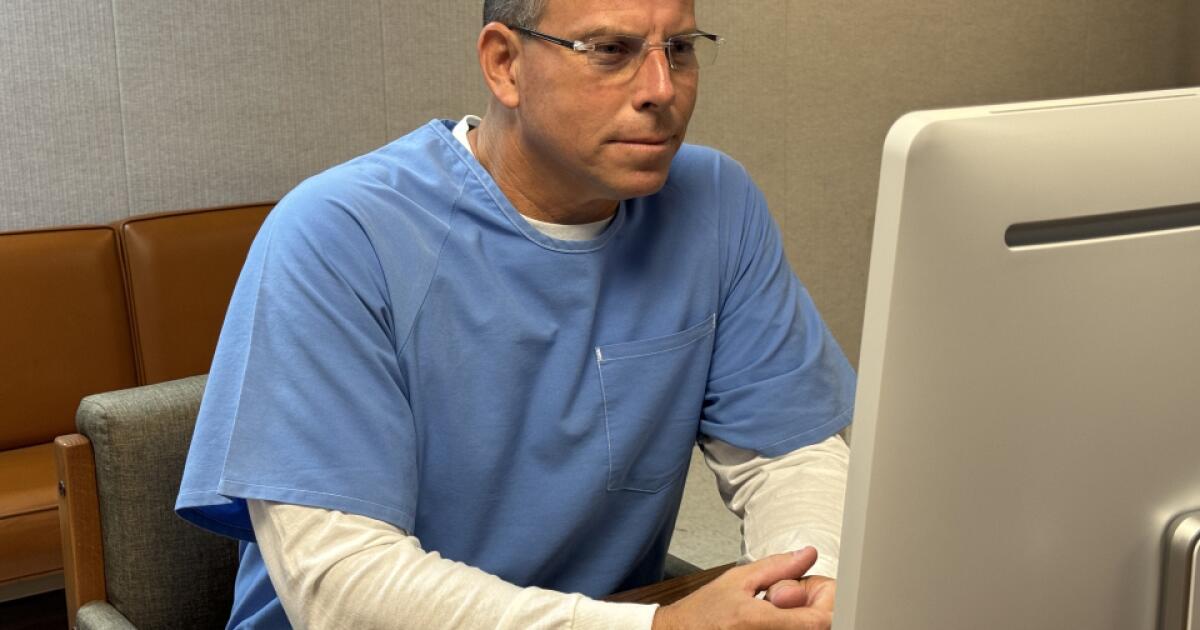
The Menendez Brothers, convicted of murdering their parents in 1989, faced a swift rejection of their parole requests after years of public support and legal efforts, with parole boards citing concerns over their conduct in prison and unresolved questions about their motives, despite their remorse and the social media campaigns advocating for their release.
Lyle Menendez's parole was denied due to ongoing misbehavior in prison, despite his expressions of remorse and efforts to reform, following similar rejection for his brother Erik, both serving life sentences for their 1989 family murders.
Lyle Menendez's bid for parole was denied after an 11-hour hearing, with parole commissioners citing the murders' callousness and his prison misconduct, including illegal cellphone use, as reasons. His brother Erik was also denied parole a day earlier. The case remains a significant part of American criminal justice history, highlighting issues of abuse, justice, and rehabilitation.
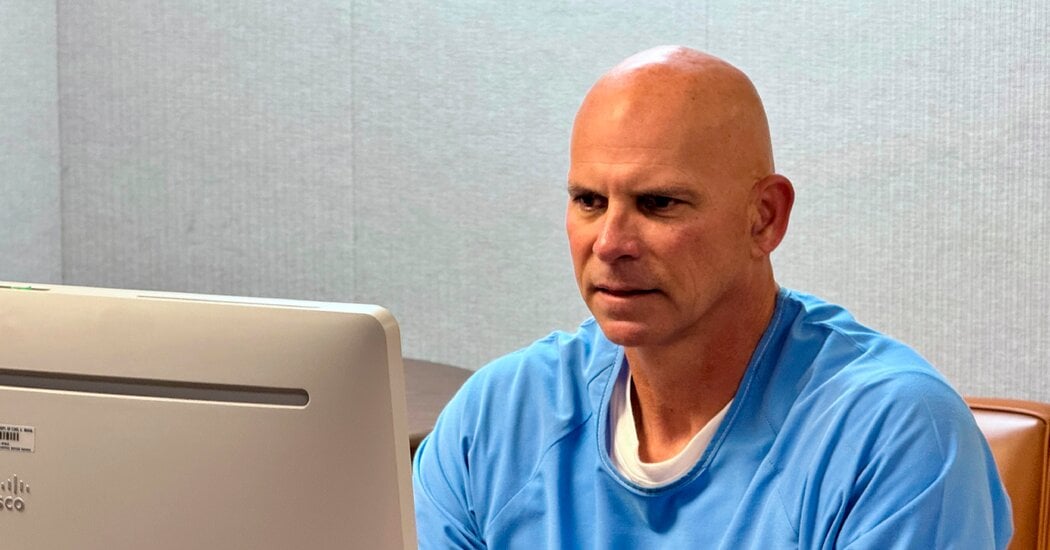
Erik Menendez was denied parole after his hearing, where he reflected on his upbringing, the abuse he suffered, and his past actions, including prison rule violations. The parole board cited his misconduct and risk to public safety as reasons for the denial, but encouraged him to improve his behavior for future hearings.
Erik Menendez's parole was denied after a lengthy hearing where concerns about his prison behavior and past crimes were raised, despite family support and his efforts at rehabilitation, highlighting ongoing debates about justice and rehabilitation for high-profile offenders.
A judge denied R. Kelly's emergency motion for release from prison amid allegations of government misconduct and threats to his life, citing lack of jurisdiction. Kelly's legal team plans to challenge his convictions based on new evidence, claiming he faces ongoing threats, including an alleged murder solicitation by prison officials.
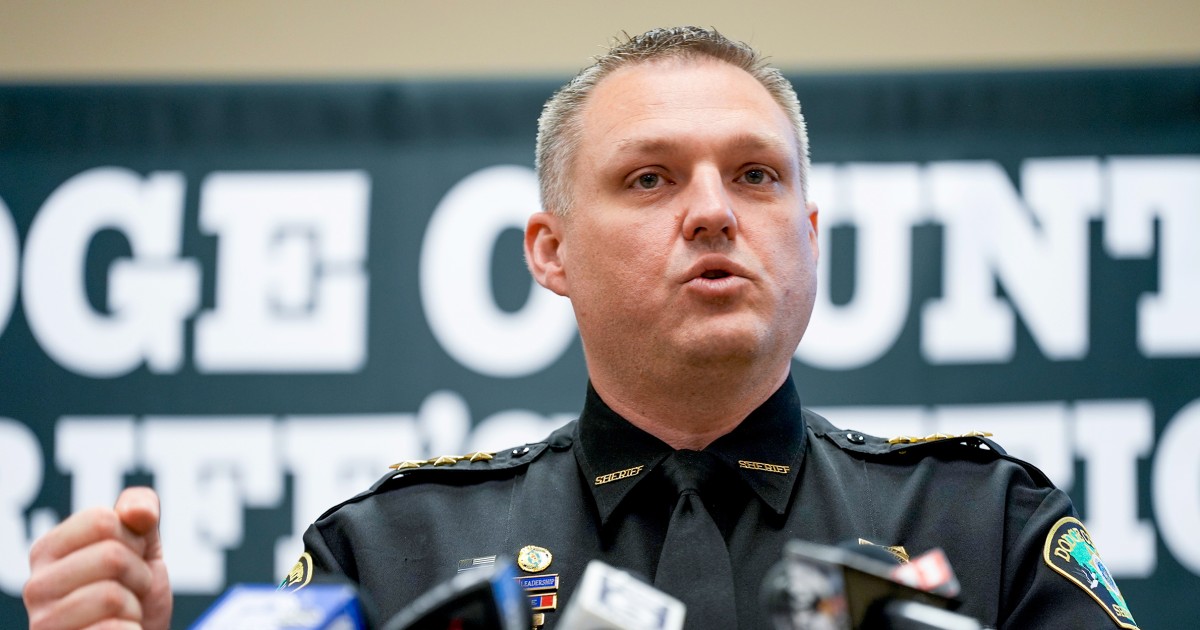
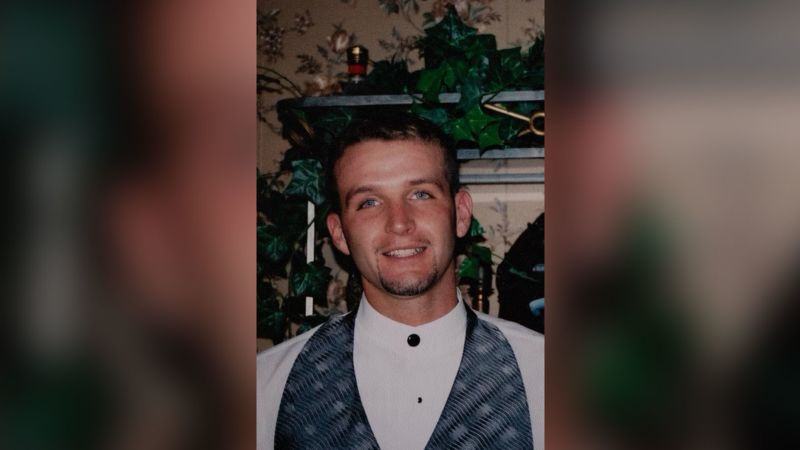
Nine individuals, including the warden of Waupun Correctional Institution, have been charged in connection with the deaths of two inmates in Wisconsin. The charges stem from alleged misconduct and abuse, with one inmate dying from a stroke and another from malnutrition. The Wisconsin Department of Corrections has stated that the accused are no longer employed or are on unpaid leave, and legal representation will not be provided by the state.
Two families in Alabama allege that the bodies of their deceased loved ones, who were inmates in state prisons, were returned missing internal organs, including the heart and brain. The families have filed a federal lawsuit, claiming that the Alabama Department of Corrections or its agents removed and retained the organs without permission, describing the alleged misconduct as "grave robbery and mutilation." The lawsuit also implicates the University of Alabama, alleging a track record of using removed organs for medical research and training, a claim vigorously denied by the university.
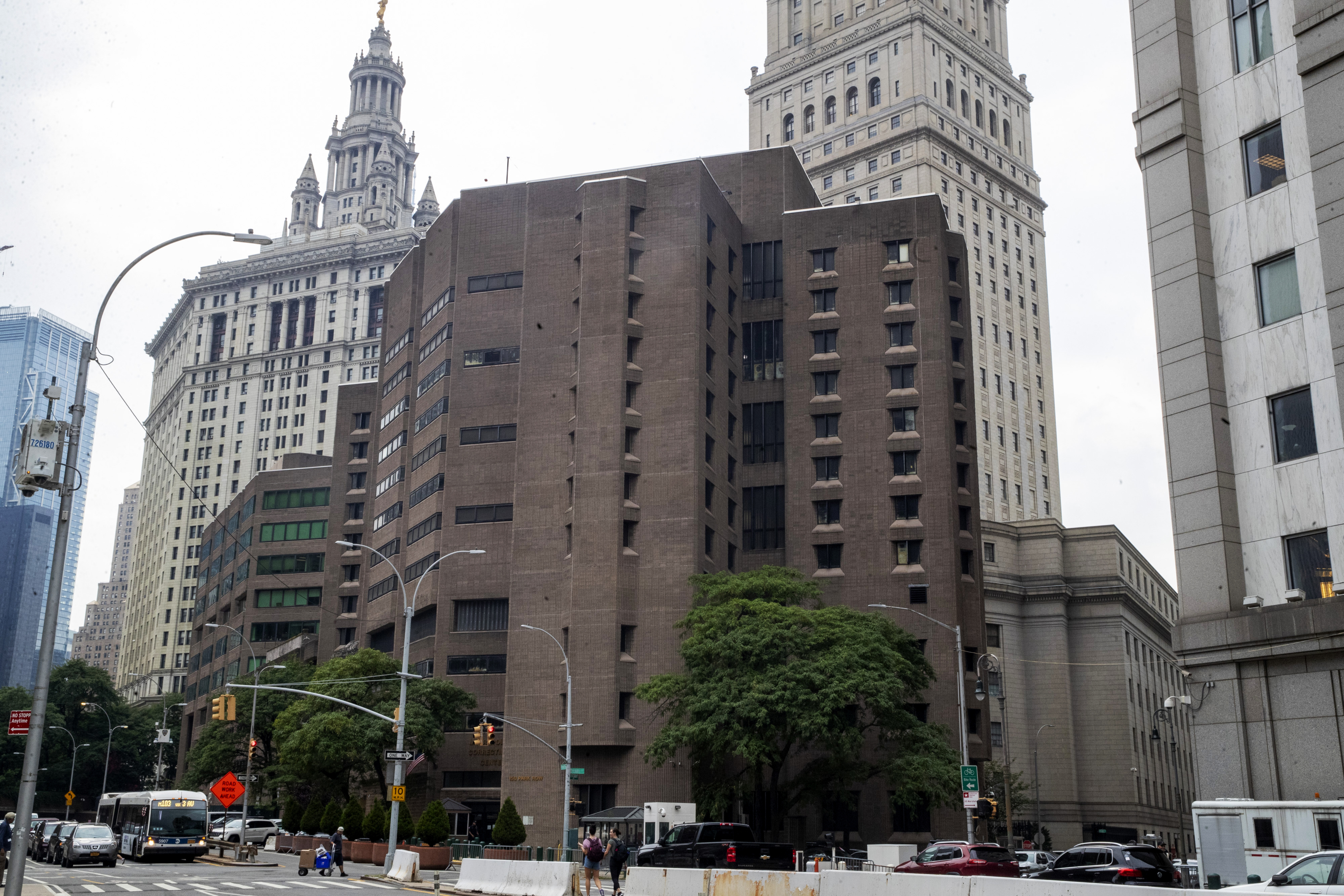
Staff at the Metropolitan Correctional Center in New York committed "significant misconduct," including potentially criminal behavior, that allowed Jeffrey Epstein to die by suicide in 2019, according to a report by the Justice Department's Office of the Inspector General. The report found that staff failed to assign Epstein a new cellmate after he had been placed on suicide watch, failed to adequately supervise the Special Housing Unit where Epstein was held prior to his death, and neglected to ensure the facility's security camera system could record video, among other missteps. The report also found that Epstein was permitted special accommodations not afforded to other prisoners, including the ability to make an unmonitored, unrecorded phone call the night before he died.