French President Emmanuel Macron's appointment of Gabriel Attal as the new prime minister signals a reset for his presidency, aiming to push through policy reforms and counter the far-right. Meanwhile, the re-election of President Félix Tshisekedi in the Democratic Republic of the Congo has sparked controversy, and there's a discussion on how the film "The Wicker Man" may be influencing a rise in paganism.

Former President Trump's claim of immunity from a lawsuit filed by two Capitol Police officers was debated in court, while a New York Times Audio report provided insight into life in Gaza, including the challenges faced by residents living under the Israeli blockade.
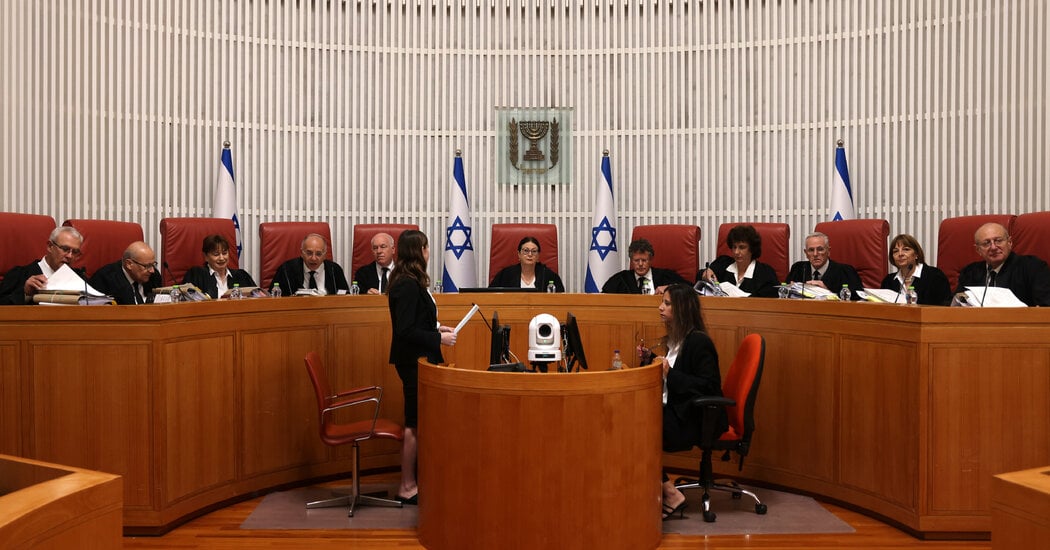
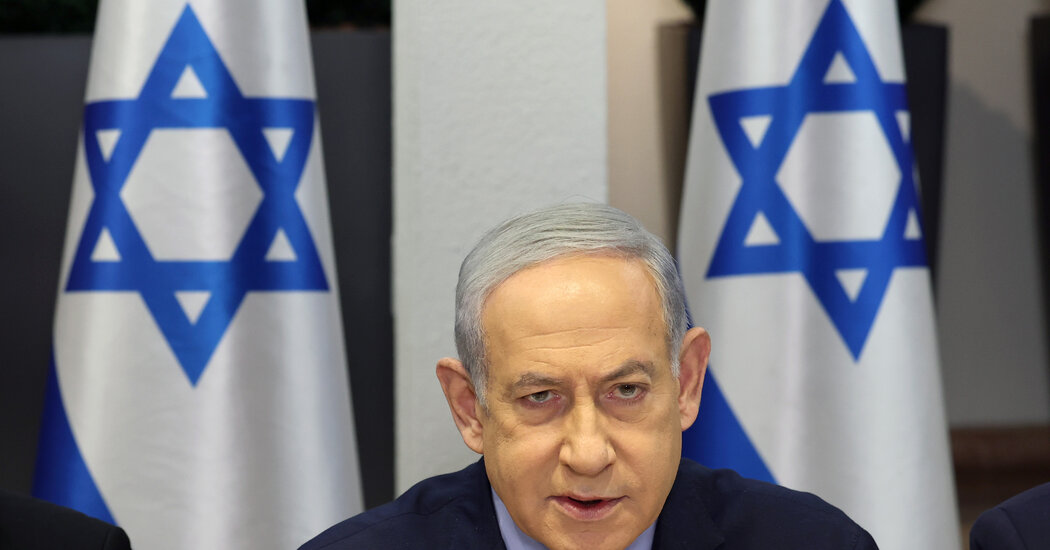
The Israeli Supreme Court has ruled against legislative control over the judiciary, a move that halts Prime Minister Benjamin Netanyahu's far-right government's efforts to weaken the courts amidst a cultural war over Israel's identity. This decision comes during a time of war with Gaza, which has temporarily united the country. Critics of Netanyahu view the ruling as a preservation of Israel's democratic character, while his supporters argue it undermines wartime unity. The ruling has broader implications for Israel's future identity and its relationship with the West, as well as the ongoing conflict with Palestine.
Israel's Supreme Court has struck down a law by Prime Minister Benjamin Netanyahu's government aimed at limiting the court's powers, potentially sparking a constitutional crisis. The law, which prevented judges from using the "reasonableness" standard to overrule government decisions, was seen as part of a broader judicial overhaul by Netanyahu's right-wing coalition. Critics argue that the Supreme Court is a crucial check on government power in a country without a formal written constitution. The ruling comes amidst mass protests against the judicial reforms and an ongoing war in Gaza.
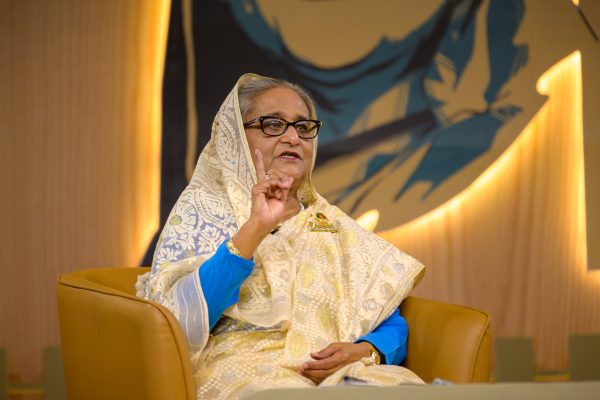
Bangladesh is exhibiting signs of a shift towards totalitarianism, with the ruling Awami League (AL) party tightening its grip on power ahead of flawed elections. The cancellation of a university discussion on national curriculum changes and the criminalization of criticism against Prime Minister Sheikh Hasina and her father indicate a suppression of dissent. The state is also prescribing behaviors, such as mandatory participation in competitions glorifying Sheikh Mujibur Rahman and chanting the party slogan in schools. The arrest of a journalist for reporting on economic issues further demonstrates the regime's control over information. Civicus has downgraded Bangladesh's civic space rating to "closed," and there are concerns that the country may become a full-fledged totalitarian state post-elections.