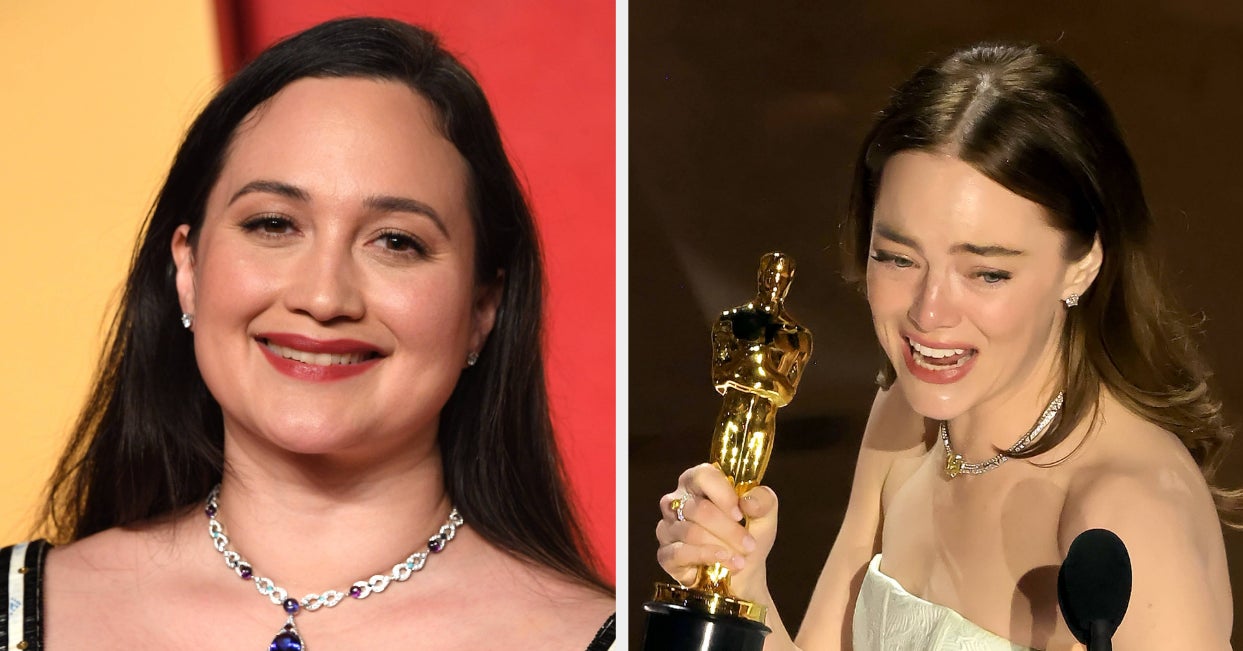
Lily Gladstone graciously responded to losing the Best Actress Oscar to Emma Stone, with fans praising her for consistently centering the Osage people throughout the awards campaign. Despite the loss, she expressed joy for Emma's win and continued to focus attention on the Osage Nation, the Native American tribe that the film "Killers of the Flower Moon" is about, in her social media posts. Gladstone's response has been widely praised for its grace and for highlighting the importance of indigenous representation in the film industry.
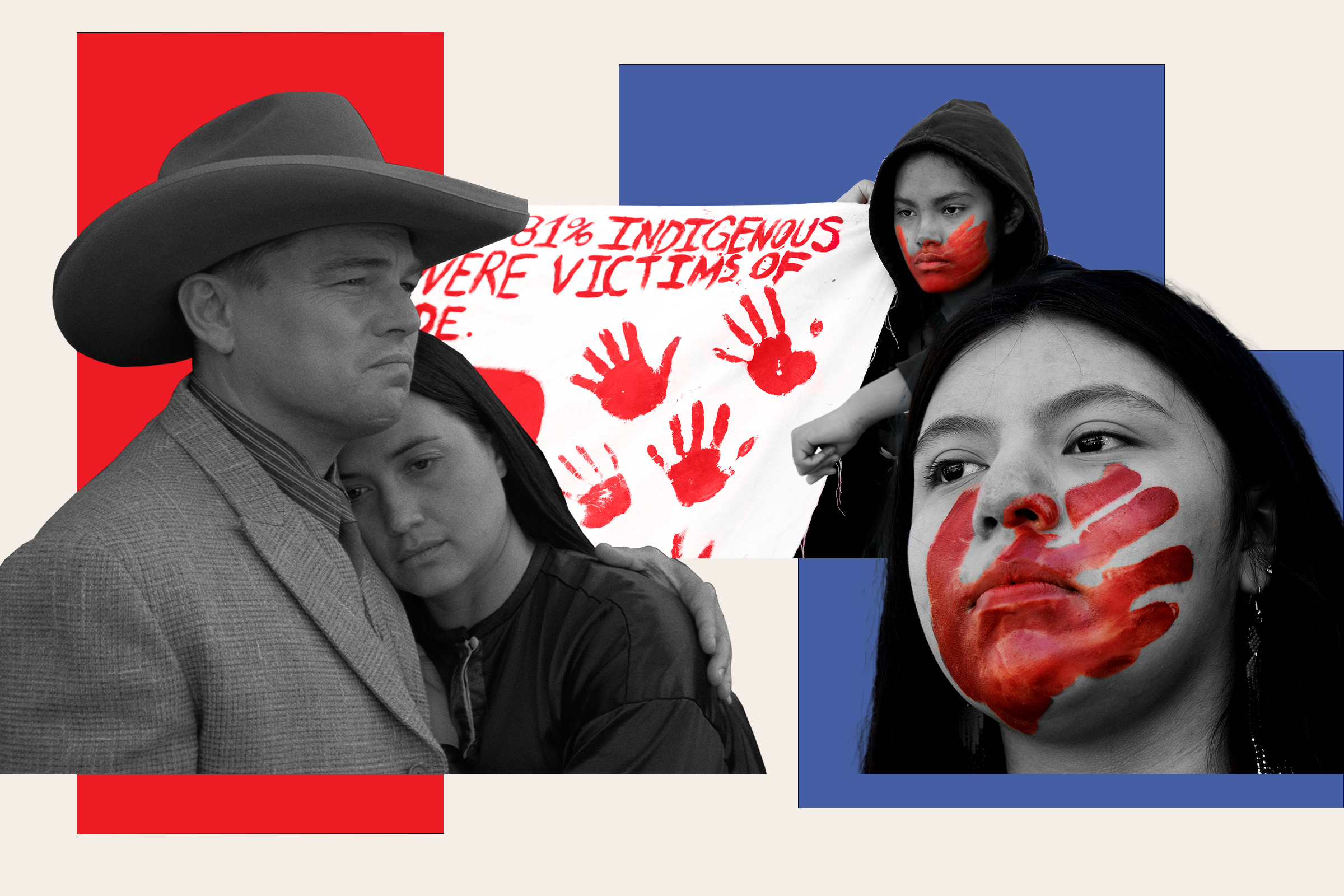
The partnership between Newsweek and the Osage News aims to shed light on the ongoing crisis of Missing and Murdered Indigenous People in the United States, as highlighted by the film "Killers of the Flower Moon." Despite the film's Oscar buzz and potential historic win for Lily Gladstone, the real stakes lie in addressing the systemic failures and ongoing murders and disappearances among Native people. Law enforcement's lack of action, underreporting, and distrust in justice systems have perpetuated the crisis, prompting calls for community-based solutions and advocacy to address the generational trauma and ongoing racism faced by Indigenous communities.
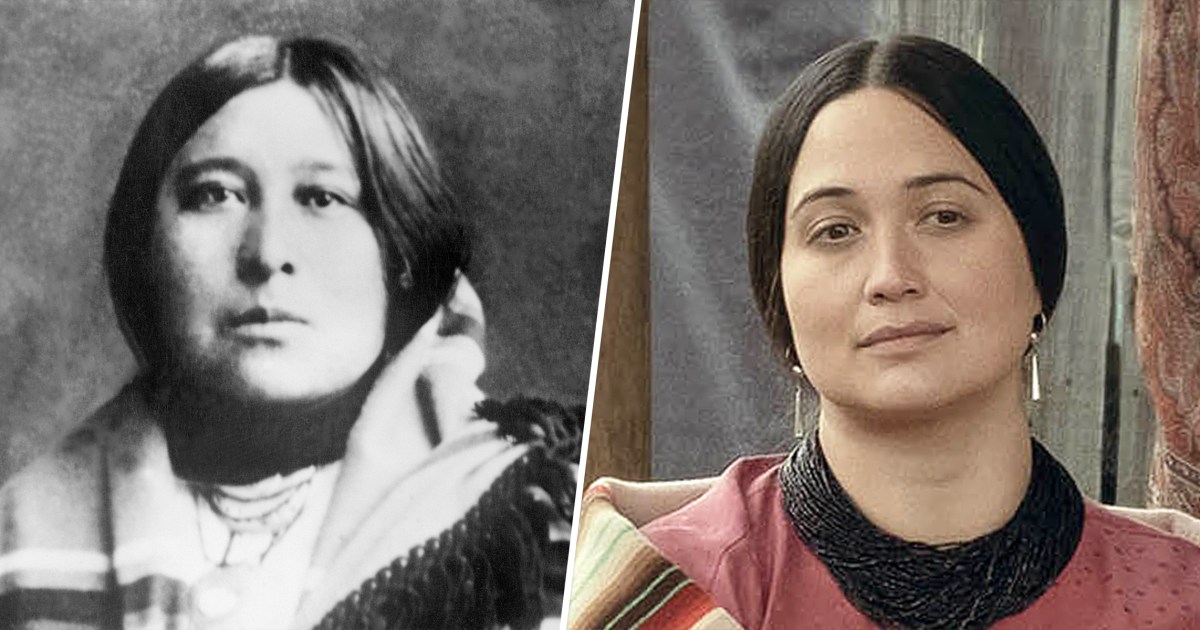
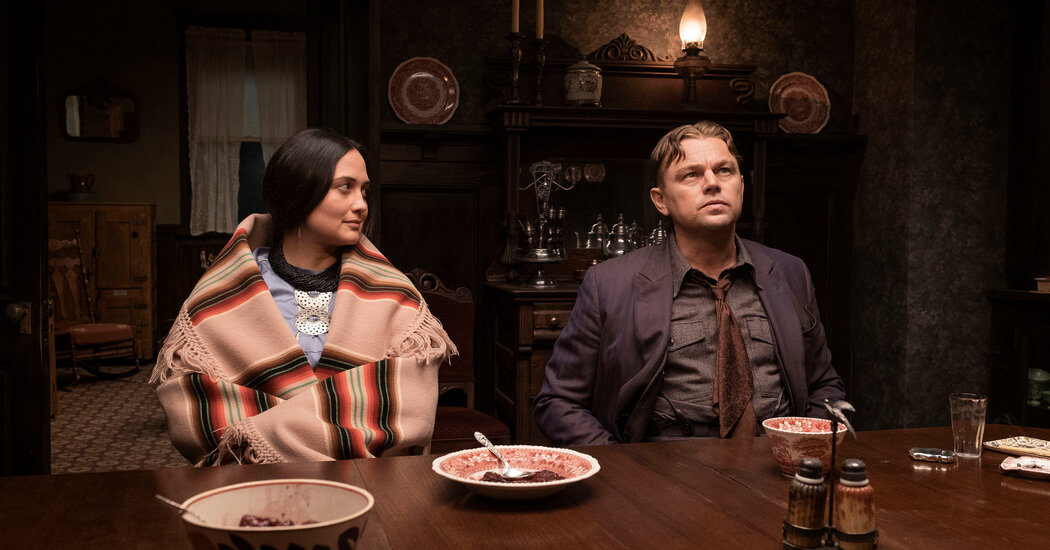
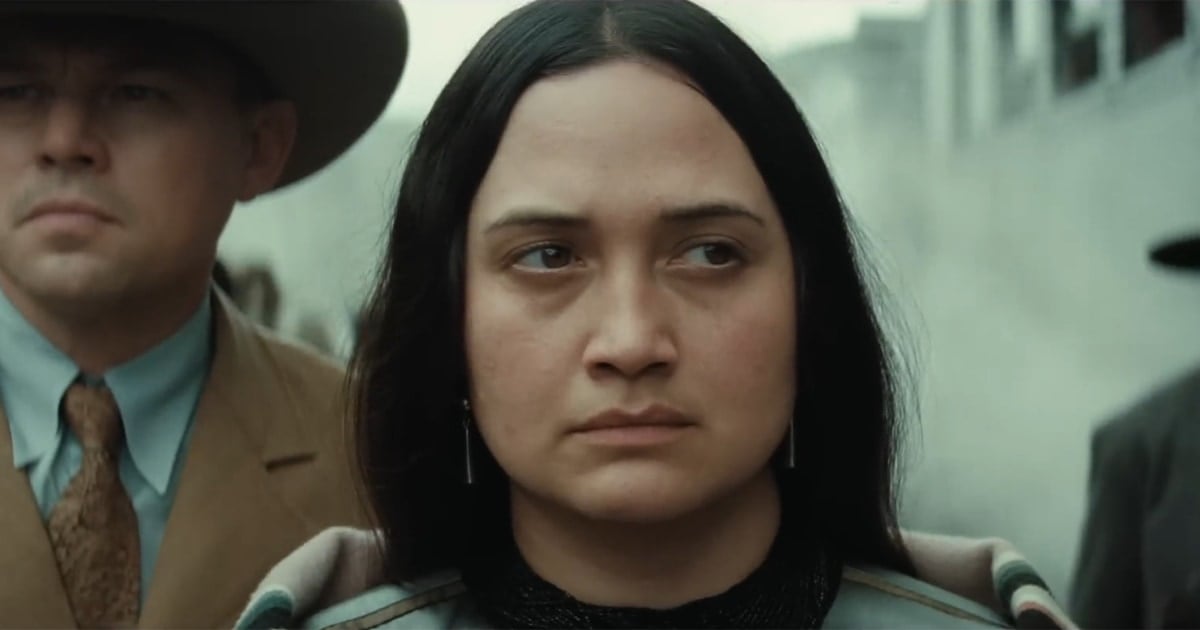
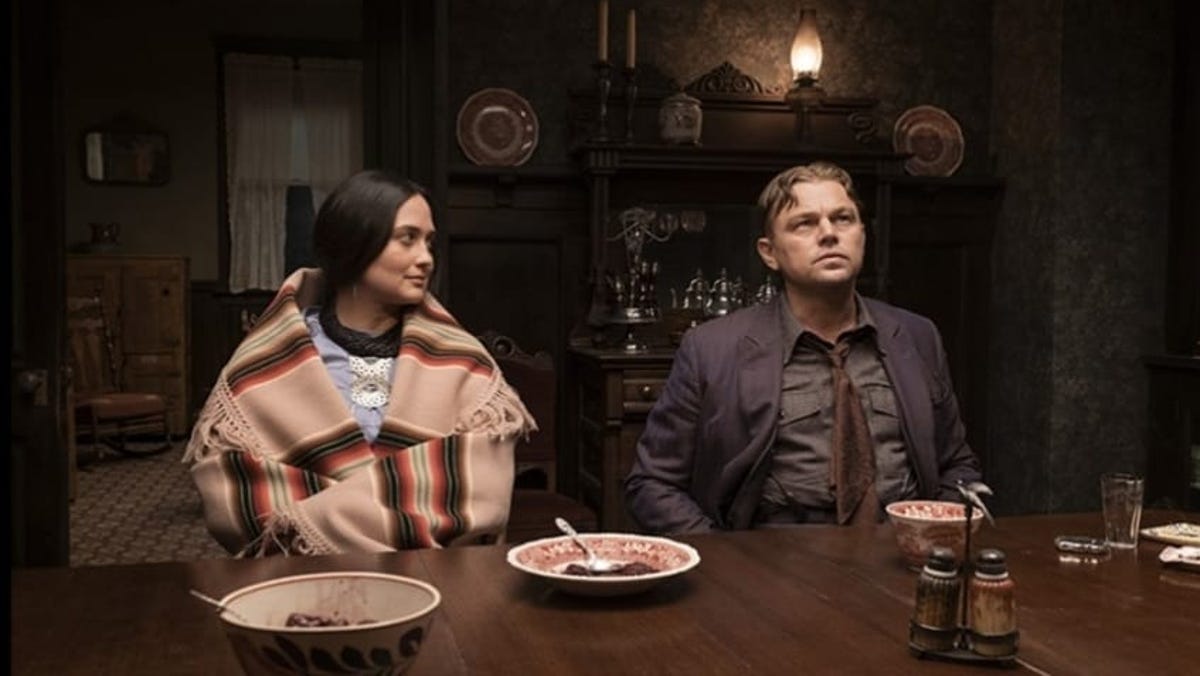
"The Killers of the Flower Moon" sheds light on the Reign of Terror period for the Osage Nation in the 1920s, with Lily Gladstone portraying Mollie Burkhart, a member of the Osage Nation whose family members were killed over their rights to oil reserves. Mollie's story involves a tragic series of deaths and poisonings orchestrated by her husband and his uncle, leading to their convictions and Mollie's eventual remarriage and passing.
The film "Killers of the Flower Moon," directed by Martin Scorsese and based on the 1920s Reign of Terror in Oklahoma, has received a divided reaction from Indigenous viewers. While many members of the Osage Nation praised the film for its accurate portrayal of Osage culture and raising awareness of the killings, others felt it was told from a white man's perspective and lacked sufficient context about the U.S. government's complicity in the murders. Some Indigenous viewers expressed the need for more Indigenous filmmakers to tell their own stories and improve representation in cinema.
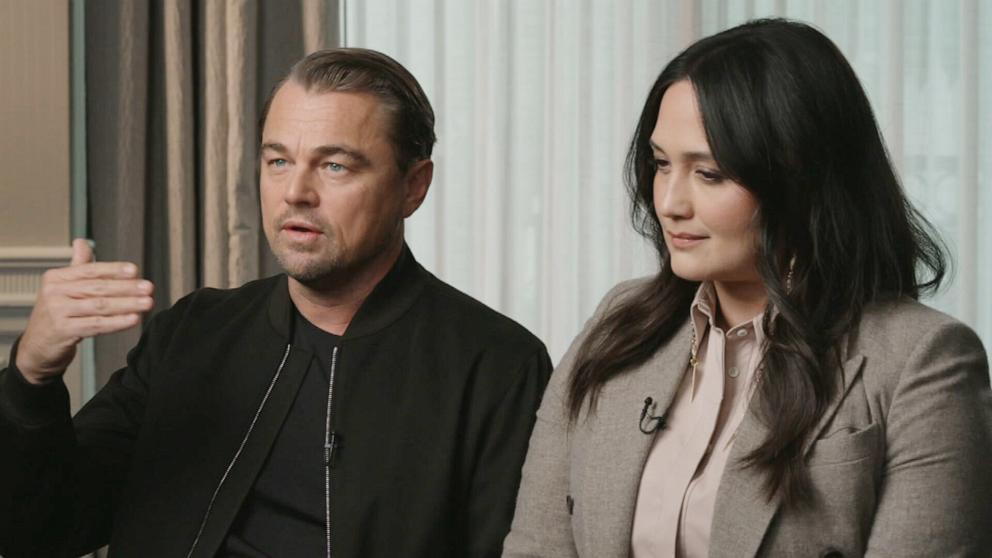
Leonardo DiCaprio praises his "Killers of the Flower Moon" co-star Lily Gladstone, calling her performance "kind of electrifying." Director Martin Scorsese immediately knew she was perfect for the role, and DiCaprio commends her dedication to telling the story through the Osage viewpoint. Gladstone shares resources for Native Americans to process the film's themes and emphasizes the importance of learning from the history of persecution against Native Americans. DiCaprio believes the film serves as a microcosm for ongoing issues faced by Native Americans. "Killers of the Flower Moon" is now in theaters.
Indigenous artists have shared their thoughts on Martin Scorsese's film "Killers of the Flower Moon," based on the true story of crimes committed against the Osage Nation in 1920s Oklahoma. While some praised the film for shedding light on a dark history, others criticized its graphic portrayal of violence and the focus on a white character. They emphasized the importance of honoring Indigenous cultures beyond their trauma and atrocities, and called for a deeper conversation about challenging history and addressing racism.
Martin Scorsese's crime drama "Killers of the Flower Moon" has garnered positive reactions from audiences, with praise for the performances of Lily Gladstone, Leonardo DiCaprio, Robert De Niro, and Jesse Plemons. Fans and members of the Osage Nation appreciated Scorsese's handling of the true story and the film's exploration of the American dream's corrupt nature. Some viewers commended the supporting cast, particularly Cara Jade Myers. While the movie's nearly three-and-a-half-hour runtime was noted, it was seen as a strength that added to the film's impact. The lack of suspense and derivative storytelling were criticized by some, but overall, the film has made an impact in shedding light on a dark moment in American history. Members of the Osage Nation expressed their appreciation for the film's depiction of their community, while also acknowledging the perspective of the story being mostly told from DiCaprio's character's point of view. Scorsese expressed his satisfaction with the film finally being shown on the big screen and hopes that audiences will absorb and connect with it.
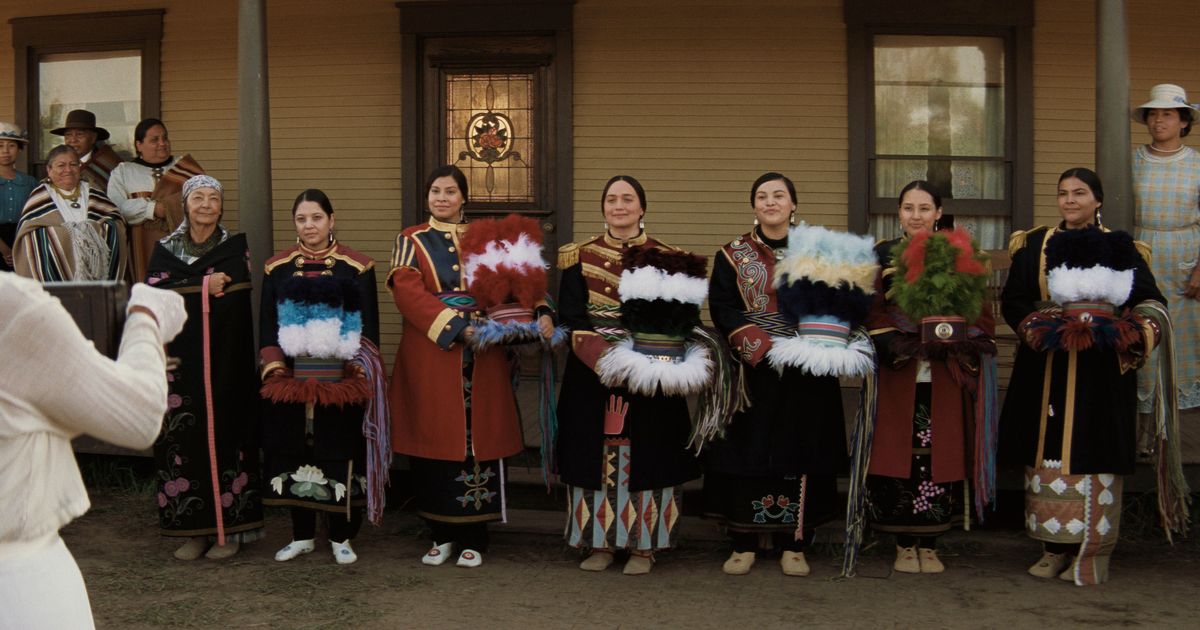
The Osage Nation collaborated with director Martin Scorsese and his team to ensure the authenticity of the upcoming film "Killers of the Flower Moon," based on the Osage murders in the 1920s. Concerned about potential exploitation and misrepresentation, the Osage Nation expressed their desire to be involved in the production. Scorsese and his team met with members of the tribe, incorporated their input, and made significant changes to the original script. Osage consultants worked on various aspects of the film, resulting in a level of authenticity rarely seen in mainstream Hollywood projects about Native Americans. While some Osages wished for a different perspective, they acknowledge the film's positive impact and hope it sets a new standard for cultural representation in the industry.
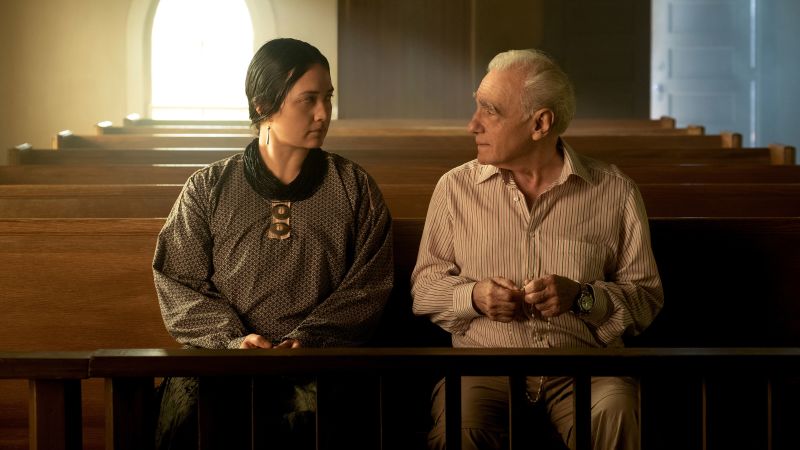
Mollie Burkhart and her wealthy Osage family were targeted for their oil wealth in the 1920s during a string of murders known as the "Reign of Terror." In the film "Killers of the Flower Moon," based on a true story, Mollie's husband and his uncle conspire to kill her family. The movie implies that Mollie was being slowly poisoned by her husband and doctors, but the exact details are not clear. In reality, Mollie expressed concerns about being poisoned to her priest, and government officials suspected she was being poisoned through insulin injections. Mollie eventually divorced her husband, remarried, and lived until 1937. Her husband was sentenced to life in prison but was later paroled and received a full pardon. Mollie's granddaughter, Margie, survived and expressed anger towards her grandfather for what he did to their family.
Martin Scorsese's film adaptation of "Killers of the Flower Moon" by David Grann, about the Osage Nation murders in the 1920s, falls short in capturing the nuance and insight of the source material. While Grann's book explores the collective evil and systemic racism that enabled the crimes, Scorsese's film focuses on individual characters and their internal struggles, ultimately centering on the white villains. The article argues that a story about white supremacy and structural violence requires a different approach, one that avoids pulp gestures and celebrity turns, and instead delves into the undramatic but horrifying reality of collective permission, hate, envy, and discrimination.
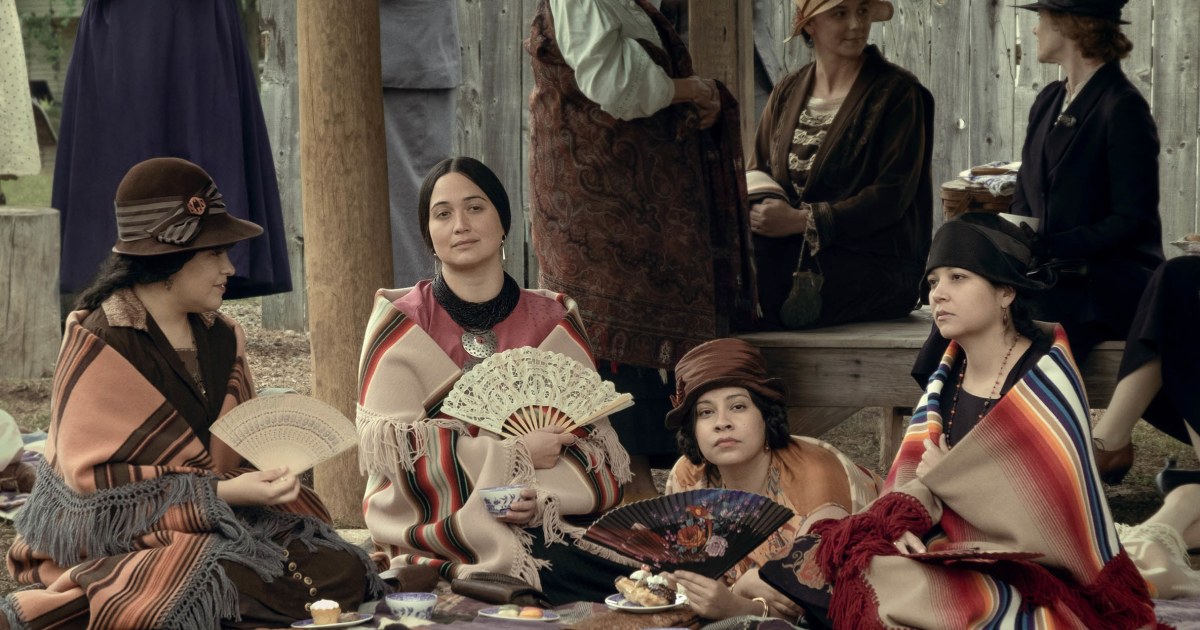
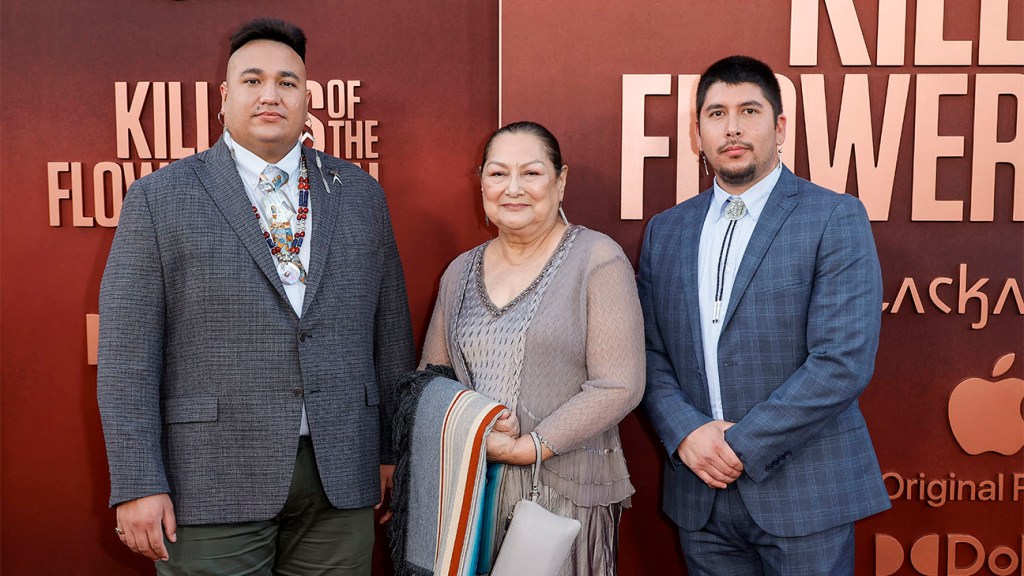
Members of the Osage Nation, whose history is depicted in the film "Killers of the Flower Moon," have expressed their reactions to the movie. The Osage community was involved in the production process, with over 44 roles filled by Osage actors and the employment of Osage artisans. While some appreciated the attention to detail and the opportunity to tell their story, others had mixed responses to the film's focus on the character of Ernest Burkhart rather than Mollie Burkhart, whose family was targeted in the Osage murders. Overall, the Osage community hopes that the film will inspire younger generations to tell their own history and be proud of their heritage.
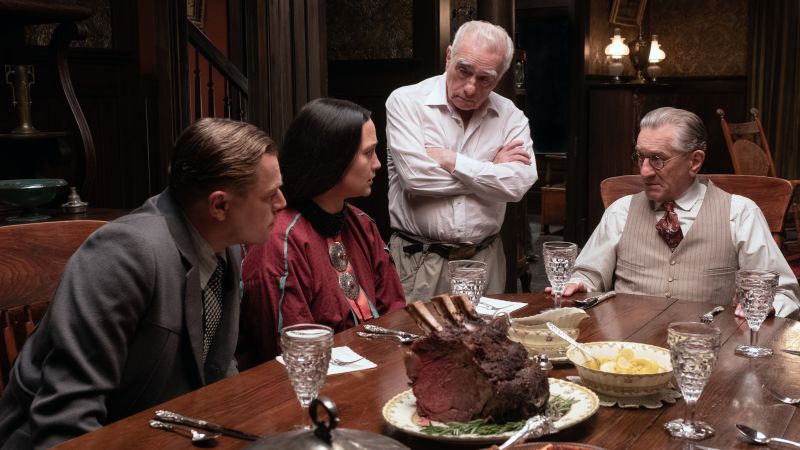
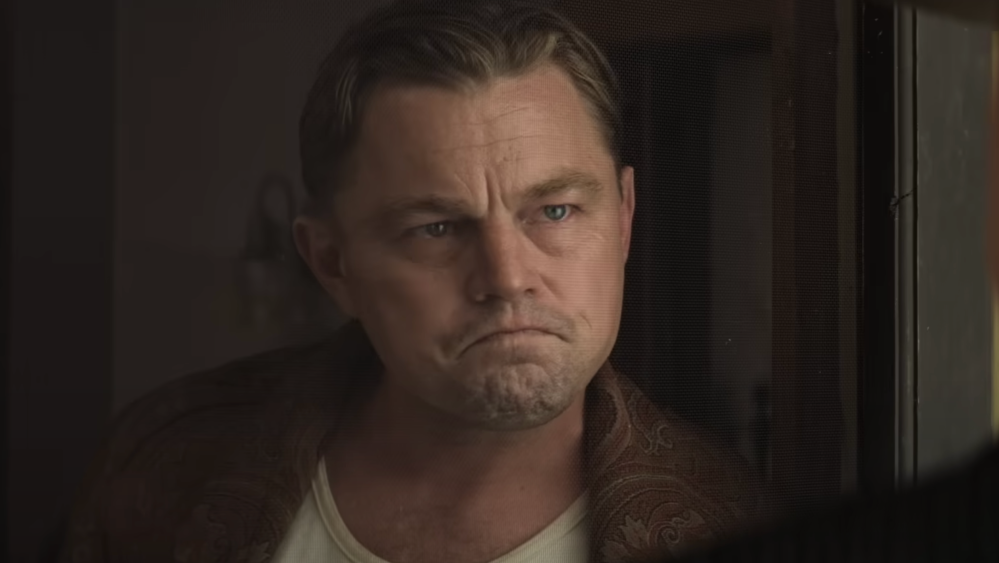
"Killers of the Flower Moon," directed by Martin Scorsese and starring Leonardo DiCaprio, Lily Gladstone, and Robert De Niro, is based on a true story of murders in 1920s Oklahoma. The film follows the murders of several Indigenous people after oil was discovered on the Osage Nation's land. The story revolves around Ernest Burkhart and his wife Mollie, who were connected to the crimes. The Osage people, considered the wealthiest per capita in the world, were victims of a "Reign of Terror" orchestrated by white guardians appointed by the government. Burkhart was sentenced to life in prison, while Mollie divorced him and later remarried. The film sheds light on this dark chapter in history and the impact it had on the Osage community.
Oscar-winning filmmaker Martin Scorsese and his production team for "Killers of the Flower Moon" met with members of the Osage Nation in Oklahoma after concerns were raised about the potential distortion of Indigenous history. The film adaptation, based on the true story of the Reign of Terror in the 1920s, focuses on the investigation of the violence by federal agents, but the Osage community wanted their voices and perspectives to be included. Scorsese listened to their concerns and rewrote portions of the script, adding in their stories and perspectives. The film now showcases Osage culture and involvement, with Osage people cast as their own relatives and teaching the cast how to speak Osage. The Osage community hopes the film brings awareness to their history and provides solace.
Christopher Cote, an Osage language consultant for the film "Killers of the Flower Moon," expressed mixed feelings after watching the movie, stating that while Martin Scorsese did a great job representing the Osage people, the perspective of the story seemed to focus more on the non-Osage character played by Leonardo DiCaprio. Cote questioned the portrayal of love in the film, considering the historical context of the murders. Other Osage consultants also had mixed feelings about the movie, appreciating some aspects but finding others difficult to accept. The film, based on a book about the FBI's investigation into the Osage murders, is set to release on Friday.
Martin Scorsese and Leonardo DiCaprio discuss the two-year script overhaul for their upcoming film "Killers of the Flower Moon." Originally told from the perspective of FBI agents investigating a series of murders in the Osage Nation, DiCaprio questioned the heart of the story, leading to a change in direction. The new script focuses on the Osage community, with DiCaprio playing a World War I veteran pulled into a plot to rob the tribe. Scorsese met with members of the Osage community to ensure an authentic portrayal. The film has a lengthy runtime of nearly three-and-a-half hours, and Scorsese drew inspiration from horror films for its pacing. "Killers of the Flower Moon" is set to release on October 20th.