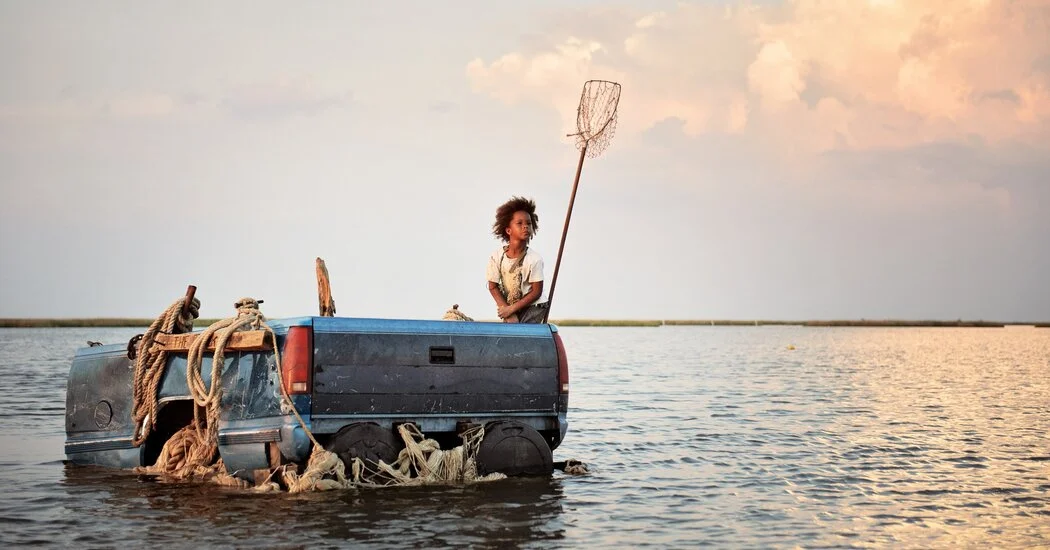
The Museum of Modern Art is showcasing a film series titled 'When the World Broke Open: Katrina and Its Afterlives' to reclaim the memory of Hurricane Katrina's impact on New Orleans, highlighting cultural resilience through documentaries, series, and films that depict the city's traditions, struggles, and recovery over the past century.
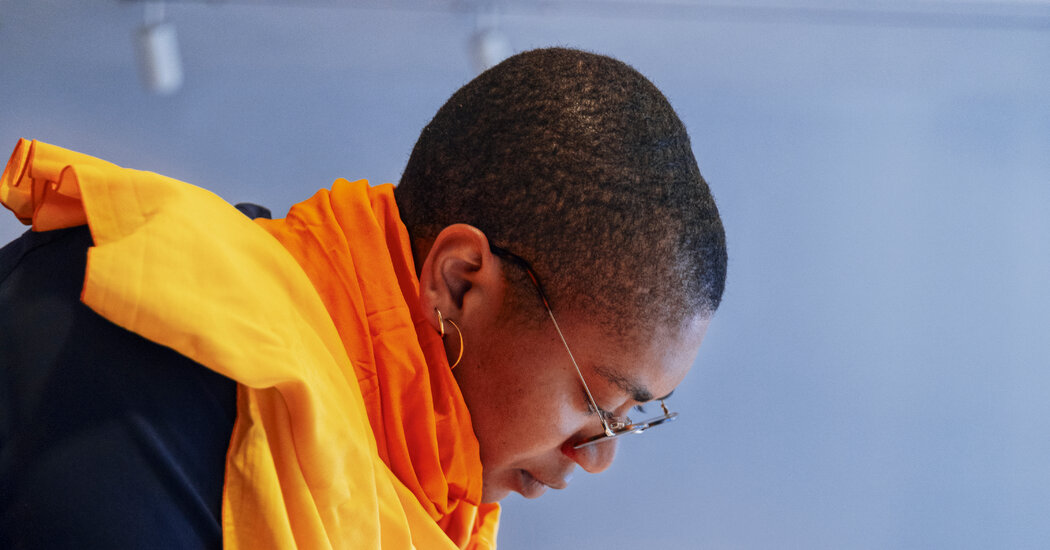
Oluremi C. Onabanjo, a photography curator at MoMA and a Ph.D. candidate at Columbia, balances her packed schedule with early morning writing sessions, attending exhibitions and talks, and engaging with Black scholars and art across New York City. Her cultural life is filled with absorbing images, texts, and sounds, reflecting her diverse background and deep commitment to art and history.
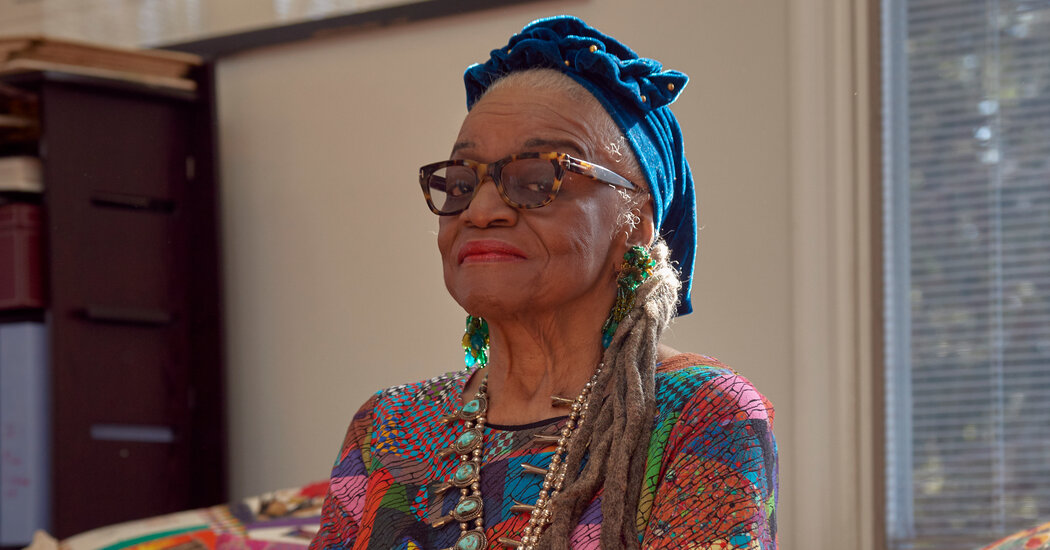
Faith Ringgold, a versatile artist and social justice activist, passed away at 93, leaving behind a legacy of work that intricately intertwined personal and political themes. Despite being overlooked by the art establishment for much of her career, her semi-autobiographical painted narrative quilts and children's books gained popularity among diverse audiences. Only recently did major recognition come her way, with the Museum of Modern Art acquiring several pieces from her early career, including the monumental 1967 painting "American People Series #20: Die," which vividly captured the societal tensions of the time.
A performer from Marina Abramović's 2010 retrospective at MoMA is suing the museum, alleging that he was not adequately protected from multiple instances of sexual assault during his nude performance. The performer claims that MoMA failed to take corrective action to prevent further assaults and did not provide him with the identities of the assailants. The lawsuit was filed in accordance with the New York Adult Survivors Act, which removed the statute of limitations for sexual assault litigations for a year from November 2022 to November 2023.
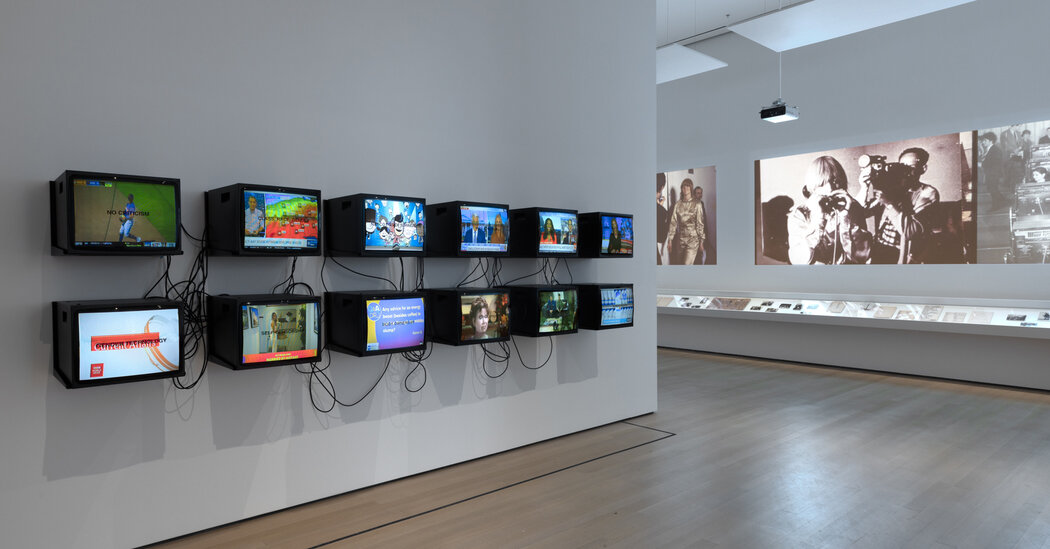
The Museum of Modern Art's exhibition "Signals: How Video Transformed the World" showcases video art as a communication medium, exploring its power and pitfalls. The exhibition, the largest of its kind at MoMA, features a wide range of video works that highlight the circulation and impact of video imagery. While some works provoke admiration and intellectual stimulation, others leave viewers baffled or even furious. The exhibition challenges traditional notions of video art and its technical properties, presenting video against broadcast television, government censorship, and corporate interests. It also raises questions about the value of visibility and documentation, with some artists expressing skepticism and exploring the limitations of the screen. However, the exhibition has faced criticism for including videos that propagate conspiracy theories and misinformation. Notable works include "Videograms of a Revolution" and "Letter to a Turtledove," which demonstrate video's democratic potential and its ability to capture historical moments. The exhibition closes this weekend.