
Birds and Humans: The Language of Honey-Hunting
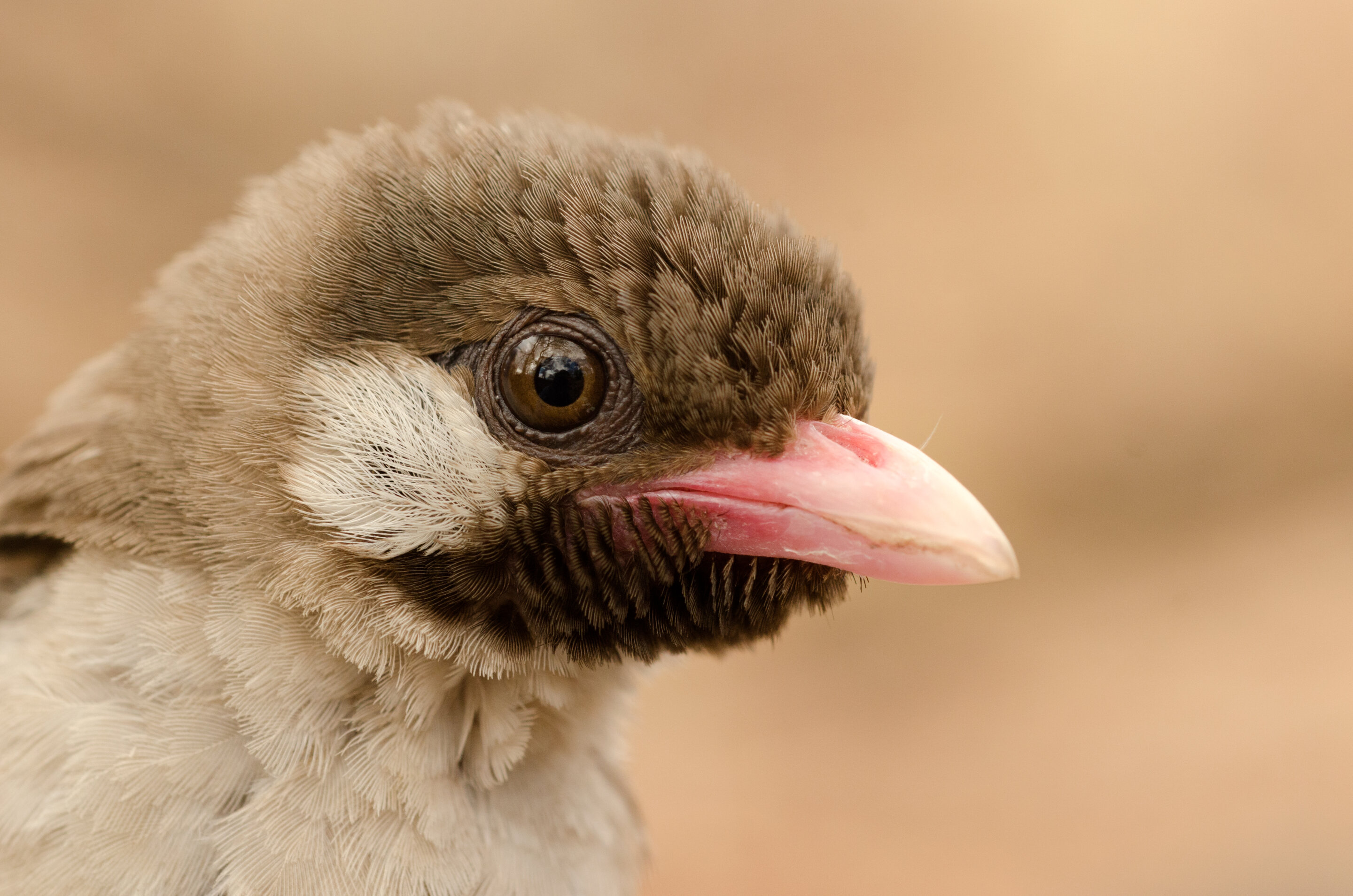
Honey-hunters in Africa communicate with greater honeyguide birds using specialized calls, such as a melodic whistle or a trill followed by a grunt, to attract the birds and locate wild bees' nests. A new study reveals that honeyguides in Tanzania and Mozambique respond more readily to local honey-hunters' calls, indicating a preference for familiar sounds. This mutually beneficial relationship between humans and honeyguides is a rare example of cooperation between wild animals and humans, with honey providing a significant source of calories for honey-hunters and wax serving as valuable food for the birds. The culturally determined calls convey underlying meanings and have likely been shaped by the hunting practices and environmental factors of different groups.
Reading Insights
0
1
5 min
vs 6 min read
89%
1,026 → 115 words
Want the full story? Read the original article
Read on Phys.org