
"Aviation Safety Under Scrutiny: Incidents in Tokyo and Alaska Prompt Material and Human Error Concerns"
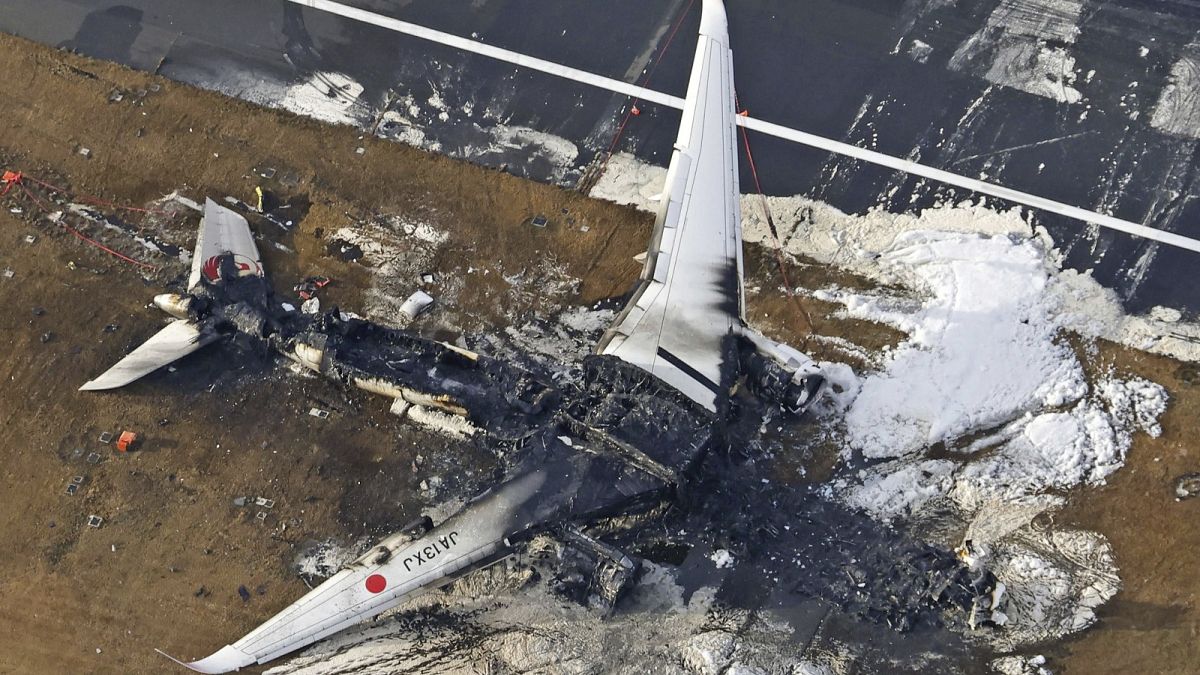
The recent Tokyo plane crash has sparked renewed scrutiny over the safety of carbon-composite materials used in aircraft fuselages. While the material is lighter and can contribute to fuel savings, concerns about its flammability and the toxicity of smoke from fires are being discussed. The incident at Haneda Airport involved a Japan Airlines A350 with a carbon-composite fuselage that caught fire, but all passengers and crew escaped. Experts are debating whether composite materials offer better or worse protection against fire and heat compared to traditional aluminum. The difficulty in extinguishing the fire and potential long-term health impacts from toxic smoke are also under investigation.
- Tokyo crash: How safe are the materials used in aircraft fuselages? Euronews
- Watch: Inside Alaska Airlines plane as part blows off mid-air BBC.com
- Japan's Burning Plane: What's the real story? | This World WION
- Commentary: One of aviation's biggest challenges played out on a Tokyo runway CNA
- A timeline of key moments leading to Japan planes colliding. Human error is seen as a possible cause The Associated Press
Reading Insights
0
9
4 min
vs 5 min read
88%
887 → 104 words
Want the full story? Read the original article
Read on Euronews