
Contrasting DOJ's Death Penalty Decisions in Synagogue and Mall Massacres
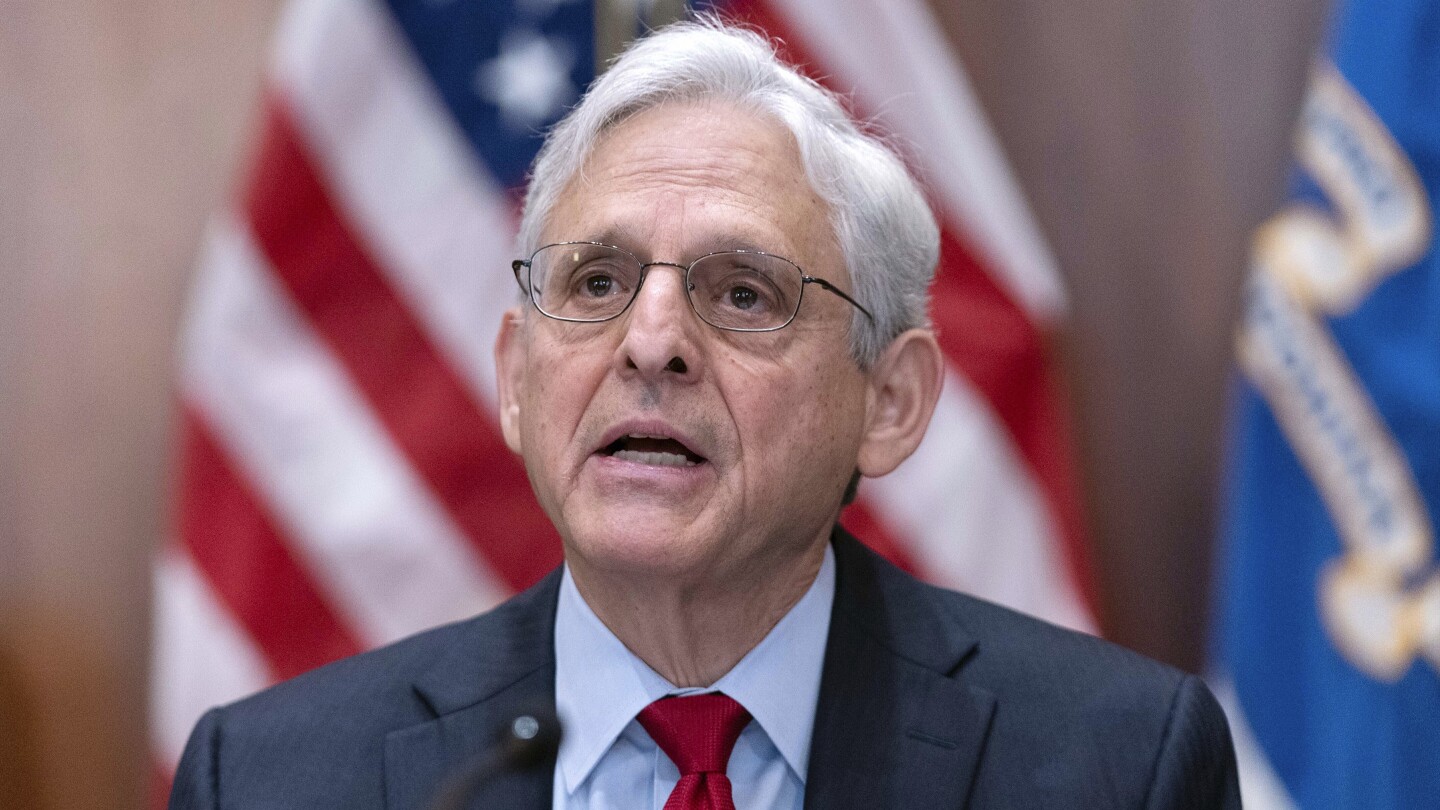
The Department of Justice (DOJ) has made contrasting decisions regarding the death penalty in the cases of the Pittsburgh synagogue shooting and the Texas mall shooting, both motivated by racial hate. While the DOJ authorized the death penalty for the Pittsburgh case, the shooter in the Texas attack received a life sentence. The DOJ's death penalty policies are criticized for being murky and inconsistent, with decision-making and criteria shrouded in secrecy. President Biden campaigned on abolishing the death penalty, but his DOJ has made some changes, including a moratorium on federal executions and withdrawing permission for death sentences in several cases. Critics point to the enigmatic Capital Case Section within the DOJ as a contributing factor to the lack of significant changes in death penalty decisions. Mental illness and victim support are factors that influence the DOJ's decisions, and changes in guidance under the Biden administration specify that mental illness can count against approving death sentences.
Reading Insights
0
8
6 min
vs 8 min read
89%
1,411 → 156 words
Want the full story? Read the original article
Read on The Associated Press