
Navigating the Legal and Ethical Challenges of Generative AI.
TL;DR Summary
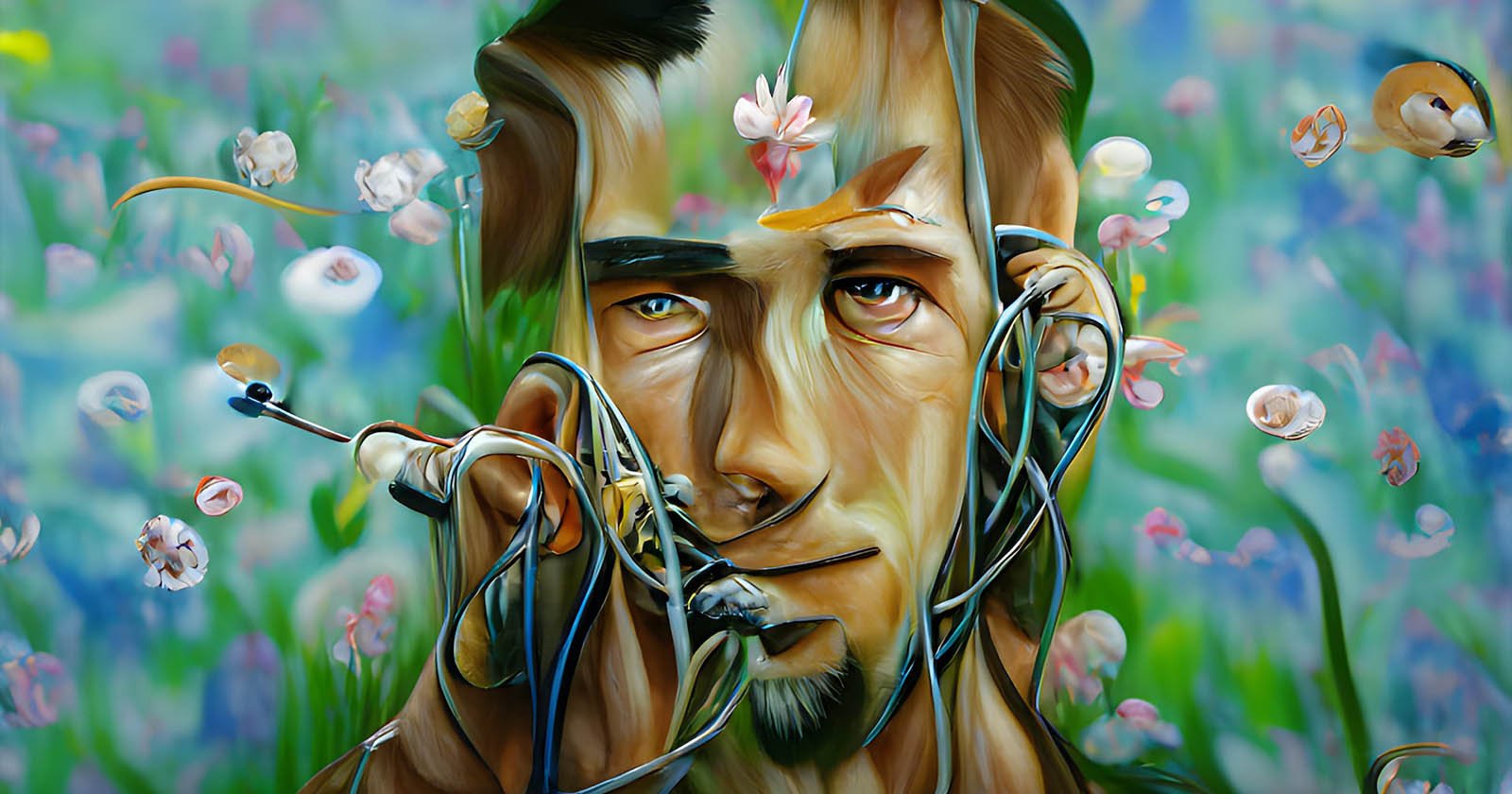
The rise of generative AI has raised questions about ownership and authorship. The generative ability of AI is the result of training them with scores of prior artworks, from which the AI learns how to create artistic outputs. The use of art to train AI has been considered exploitative by many working artists. Copyright laws were created to promote the arts and creative thinking, but the rise of generative AI has complicated existing notions of authorship. The ways in which existing laws are interpreted or reformed will have real consequences for the future of creative expression.
- Generative AI is a Minefield for Copyright Law PetaPixel
- 5 tips for business leaders to leverage the real potential of generative AI VentureBeat
- The Future is Now: Next-Gen Lawyers sound off on ChatGPT, ethics, and the future of Gen AI in law Clayton Utz
- Intellectual Property in the Era of Generative AI Analytics Insight
- How should we regulate generative AI, and what will happen if we fail? Euronews
Reading Insights
Total Reads
0
Unique Readers
1
Time Saved
6 min
vs 7 min read
Condensed
93%
1,352 → 96 words
Want the full story? Read the original article
Read on PetaPixel